


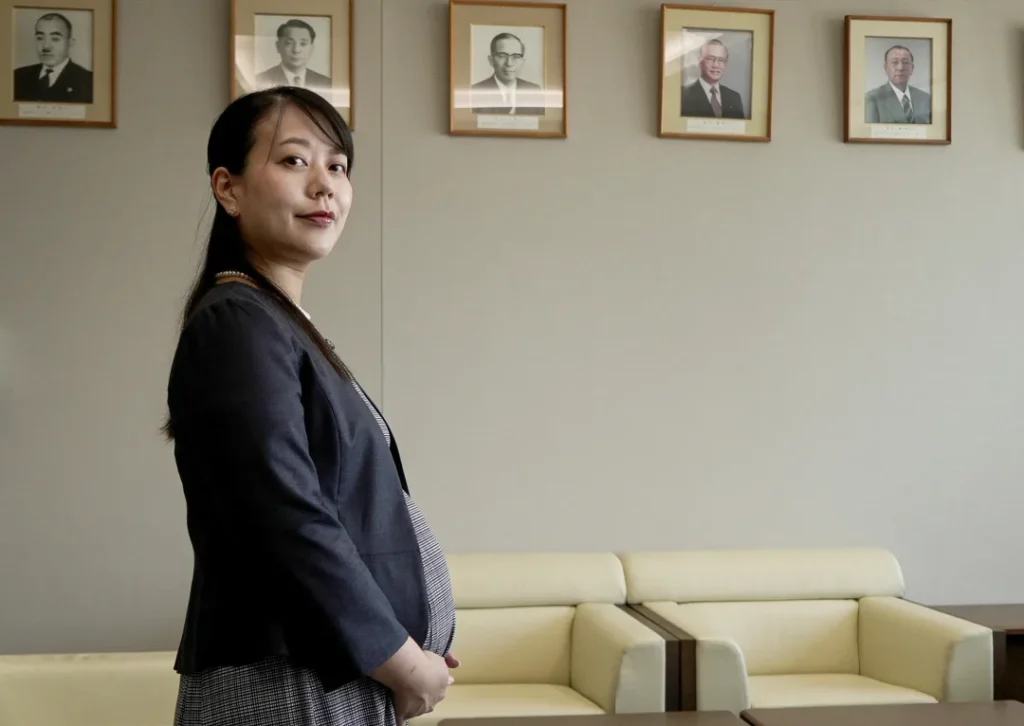
Yawata, Japan. Shoko Kawata, mayor of the western Japanese city of Yawata, became the first sitting mayor in Japan to take maternity leave on Monday after creating a leave policy for the position.
Kawata, who was elected Japan’s youngest female mayor in 2023 at age 33, said the decision had received support from many residents and colleagues, although it also drew online criticism.
New policy for mayoral leave
Yawata, a city of about 69,000 people, guarantees 16 weeks of maternity leave for municipal employees, but had no equivalent protocol for the mayor’s office.
Kawata said she had planned to have children when she took office and was surprised to learn she was the first Japanese mayor to take maternity leave.
“I was very surprised myself to learn that I am the first mayor to take maternity leave,” Kawata told Reuters at Yawata City Hall on Friday. “It made me realise that until now there simply haven’t been many young women, or women in general, who have become mayors.”
Final public duties before leave
One of Kawata’s final public appearances before beginning leave was a street procession on Friday ahead of Yawata’s Taiko festival.
Rather than riding atop the mikoshi, or portable Shinto shrine, as tradition dictates, the heavily pregnant mayor walked behind it. Her baby is due in September.
Gender gap in politics
Kawata’s leave has attracted international media attention as Japan continues to face a significant gender gap in politics.
Sanae Takaichi became Japan’s first female prime minister last year. Japan ranked 118th among 148 countries in the World Economic Forum’s most recent gender gap report and 125th in political empowerment.
Japanese women are legally entitled to about 14 weeks of maternity leave, typically receiving around two-thirds of their wages and a birth bonus. Some government workers receive more favourable terms.
Call for broader reform
Kawata said further reform was needed to ensure people in all professions, including leadership positions, could have children without hesitation.
She said declining birth rates could otherwise contribute to continued population decline and economic deterioration in the ageing country.
Kawata said she was disappointed that some people who learned of her through media reports criticised her online, suggesting she was not doing her job and had taken the position only to take maternity leave.