


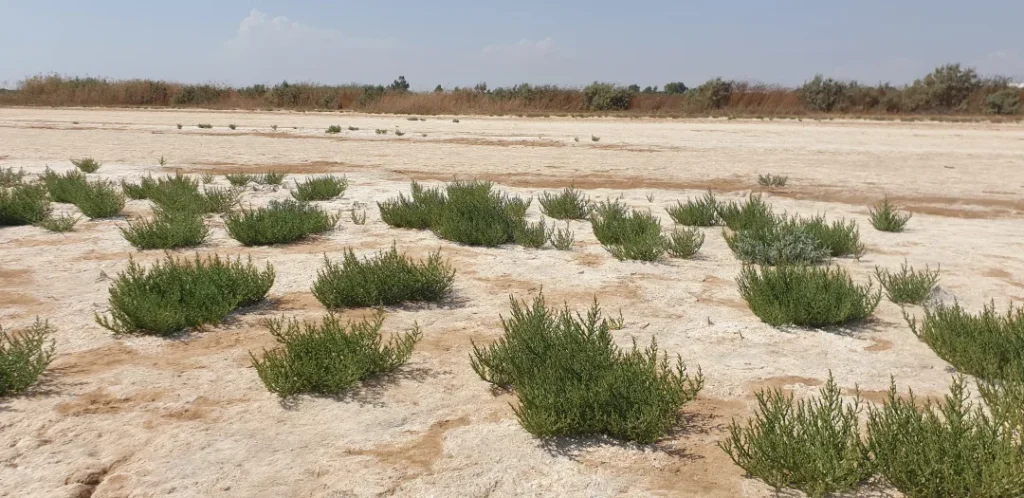
Paralimni, Cyprus. Lake Paralimni is a semi-permanent saline wetland that supports migratory birds and specialised wildlife, including species found nowhere else on the island. Conservation groups have raised concerns that recurring drainage to address mosquitoes is damaging the habitat.
Ecological significance of Lake Paralimni
Lake Paralimni is described as one of Cyprus’ most important natural ecosystems, shaped by cycles of flooding, evaporation and naturally high salinity. It is the most important remaining stronghold of the endemic Cyprus grass snake (Natrix natrix cypriaca), identified as one of Europe’s rarest snakes, and its seasonal waters support the prehistoric tadpole shrimp Triops cancriformis, known from only two locations in Cyprus.
Drainage and habitat impacts
Pressure to drain the lake recurs annually in response to mosquitoes, despite concerns that repeated artificial drainage harms the fragile habitat that sustains the lake’s wildlife. Conservation groups have cited the lowering of water levels during critical breeding periods as part of a wider issue in which attempts to control natural ecosystems can weaken ecological processes that regulate them.
Legal protections and oversight
The drainage and ecological degradation of Lake Paralimni has prompted questions about potential breaches of European and Cypriot environmental law. As a designated Natura 2000 site, the lake is protected under the EU Habitats Directive, the EU Birds Directive, and Cyprus’ Protection and Management of Nature and Wildlife Law, which require authorities to prevent deterioration of protected habitats and avoid disturbance of protected species.
Given the lake’s importance for breeding birds, the endemic Cyprus grass snake and rare wetland fauna, the text states that any artificial lowering of water levels during ecologically sensitive periods should be subject to strict scientific assessment, environmental oversight and lawful justification under Article 6 of the Habitats Directive. It adds that such decisions should not be made unilaterally by a mayor or other local authority without following required environmental procedures under national and European law.
Wetland-based mosquito control
The text argues that healthy wetlands can regulate mosquito populations through balanced food webs involving fish, amphibians, dragonflies, birds, bats and aquatic invertebrates, and that efforts should focus on restoring nature rather than reducing it.
What measures do you think authorities should prioritise to address mosquitoes while protecting Lake Paralimni’s habitat?