


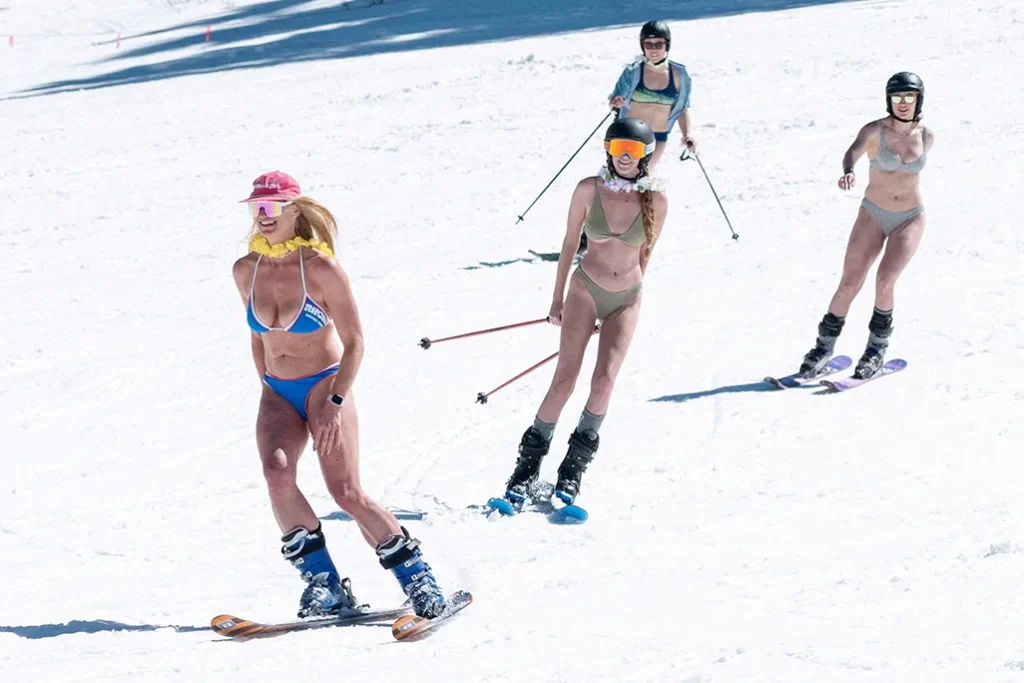
Washington, United States. Record-low snowfall and a heat wave across the U.S. West have forced ski resorts to close early and take measures such as bulldozing snow onto runs to remain open.
Resorts report thin coverage and early closures
Taos Ski Valley in New Mexico has bulldozed snow from mountain areas onto ski runs to stay open amid the lowest snow levels in decades and unusually warm conditions.
In Park City, Utah, about half of normal snowfall has fallen this year, leaving streets and restaurants quieter than usual during what is typically a busy vacation period. In Colorado, resorts including Vail reported brown dirt patches on ski runs, with less than 20% of trails remaining open.
More than half of the 120 ski resorts in the U.S. West have already closed, will close early, or never opened this year due to the mild winter and record-low snowfall, according to a Reuters count. In a normal year, only about a dozen would close early because of poor conditions.
Scientist cites record-low snowpack and sustained warmth
Climate scientist Daniel Swain said snowpack was on track to be the lowest on record at almost every western ski destination.
“This was a remarkably bad snow year, not just one basin, but across most of them,” said Swain, an associate researcher with University of California Agriculture and Natural Resources. He attributed the trend to long-term climate change, adding, “It’s really just been a tale of astonishing warmth throughout the West.”
Heat wave follows mild winter
The mild winter has transitioned into a warmer spring, a period that often brings late-season snowfall and supports bars, restaurants, equipment stores, and hotels reliant on spring break visitors.
In the week to Thursday March 26, temperatures in the Western U.S. were 20-30 degrees Fahrenheit (11-17 Celsius) higher than normal and broke daily records in more than 150 locations, according to the National Weather Service.
Economic concerns and broader risks
Veteran ski patrollers have raised questions about the sustainability of the roughly $20 billion U.S. ski and snowboard industry if high winter temperatures persist. The sector supports more than 190,000 jobs.
The conditions have also increased wildfire risks at higher elevations that are typically covered by snowpacks, as reduced snow cover can dry soil and vegetation earlier. They also threaten water supplies for major cities such as Phoenix and Las Vegas, which rely on snowmelt feeding the Colorado River.
Park City aims to extend season despite low snowfall
In Park City, visitor Abby Freireich said roads normally packed with cars had little traffic. The resort received 158 inches (401 cm) of snow this year, less than half its annual average, and aims to stay open until April 20.
How has the low-snow season affected travel or business in your area?