


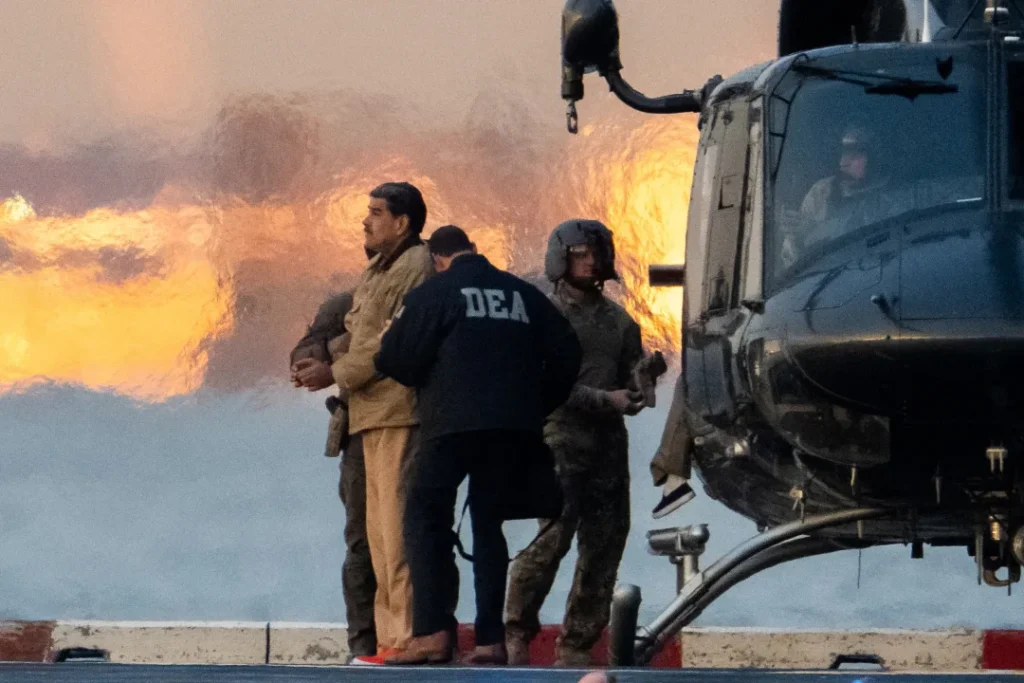
New York, United States. Venezuela’s ousted President Nicolas Maduro and his wife, Cilia Flores, are due in Manhattan federal court on Wednesday for a hearing on the schedule of their drug trafficking case, including a proposed June 2027 trial date.
The hearing before U.S. District Judge Alvin Hellerstein is scheduled for noon ET and could clarify the next steps in the criminal case against the couple.
Proposed trial schedule
In a filing submitted Tuesday night, prosecutors from the Manhattan U.S. Attorney’s office and Maduro’s defense lawyers proposed beginning the trial in June 2027. Hellerstein will determine the final schedule, and both sides said they may seek adjustments.
The parties proposed that Maduro’s first round of motions to dismiss the case be due on September 2. They said the motions would likely include an argument that Maduro is immune from prosecution as the head of a sovereign state.
Arrest and charges
U.S. Special Forces captured Maduro and Flores at their heavily guarded home in Caracas during a nighttime raid on January 3 ordered by President Donald Trump.
The couple was brought to New York after being indicted on charges of using leadership positions in Venezuela to facilitate cocaine shipments. Both have pleaded not guilty, and no trial date has been set.
During Maduro’s first court appearance on January 5, defense lawyer Barry Pollack indicated that he could challenge the indictment on the grounds that Maduro’s capture may not have been legal.
Political and legal context
Maduro, who led Venezuela from 2013 until his capture, described himself as a “prisoner of war” during his January 5 appearance. He has accused the United States of seeking his removal to gain greater control of Venezuela’s oil reserves.
The United States has called Maduro a corrupt dictator, blamed his administration for Venezuela’s economic collapse, and accused him of rigging the 2018 and 2024 elections. Washington stopped recognizing him as Venezuela’s legitimate president in 2019.
In an advisory opinion issued before the January raid, the Justice Department’s Office of Legal Counsel said Trump could lawfully order the operation without congressional authorization because it served an important national interest and did not rise to the level of war.