


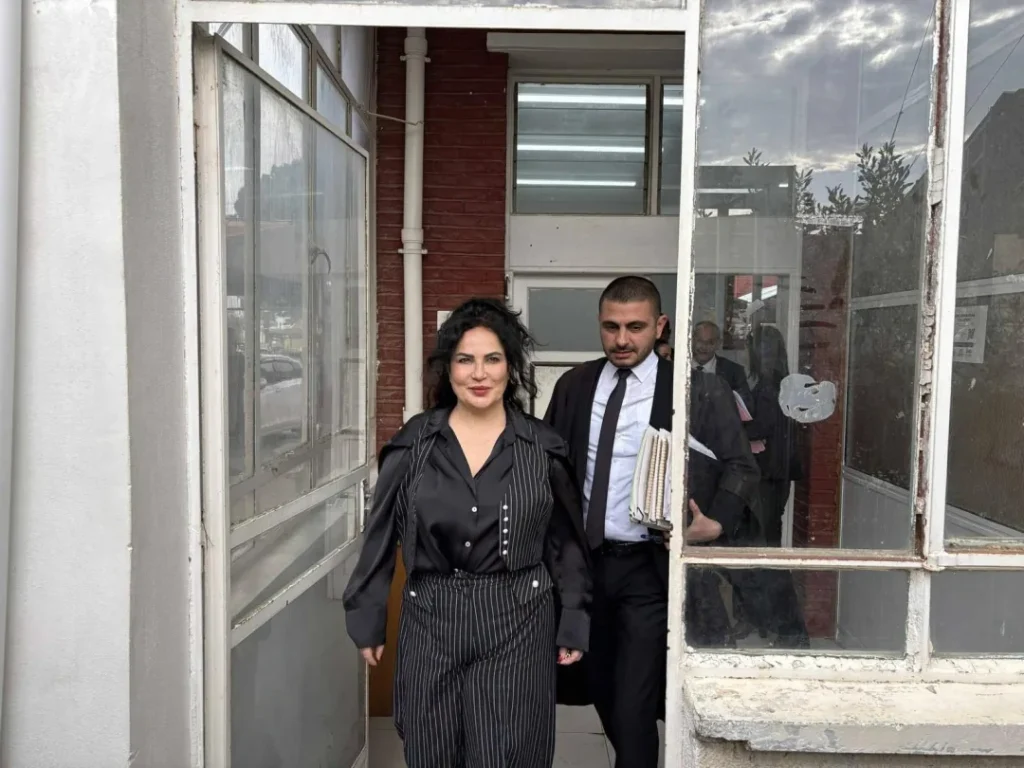
Nicosia, Cyprus. Reporting the names of high-profile individuals accused of crimes in court has been criminalised in the north after a bill was passed by the Turkish Cypriot legislature. The legislation was approved with votes from the ruling coalition parties UBP, DP and YDP.
Ban on publishing names and courtroom images
Under the new law, publishing the names of any suspects or taking photographs of suspects in and around courtrooms is now a crime. Penalties apply to those who take and publish photographs of suspects in and around courtrooms, or publish the names of defendants, in the media or on social media.
Penalties and fines
Violations involving media or social media carry sentences of up to three months in prison or a fine amounting to four times the north’s monthly minimum wage. The monthly minimum wage is 60,618TL (€1,147), setting the fine at 243,272TL (€4,604).
Those who disseminate an image through means other than the media or social media will also face sentences of up to three months in prison or a fine amounting to twice the north’s monthly minimum wage.
Government defence and opposition criticism
UBP representative Alisan San defended the plans in the legislature, saying the perception of individuals as guilty on social media, in the press, or in society before the completion of the judicial process has more serious consequences, especially in smaller communities.
Opposition figures criticised the move, with CTP representative Sami Ozuslu calling the new law “blatant censorship” and warning it was dangerous. He said that while it may be fair for an ordinary member of the public to not have their name and photograph shared in the media when accused of a crime, individuals with public power and financial resources should not be treated the same as ordinary members of the public.
Ozuslu also warned the law could negatively affect press freedom in the north, saying that journalists currently do not go to jail, but that would change if the bill passed.
How do you think this law could affect court reporting and press freedom in the north?