


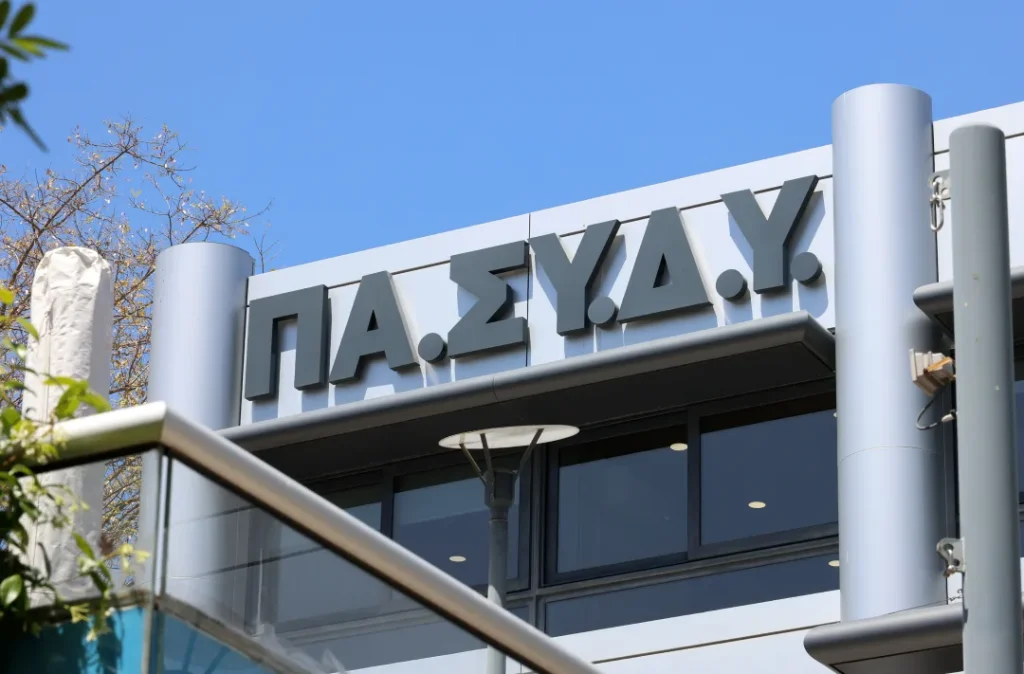
Nicosia, Cyprus. Pasydy said on Tuesday that more than 90 per cent of civil servants do not make use of sick leave, as scrutiny grows over absentee levels in the public sector. The union said recent public debate risked creating a distorted picture of the workforce.
Union response to public debate
Pasydy said the “overwhelming majority” of employees do not rely on sick leave, despite claims that some workers remain absent for extended periods. It reiterated that the entitlement exists to protect employees who are temporarily unable to work because of illness.
Protection of workers’ rights
The union said safeguarding the rights of workers, particularly those suffering from chronic health conditions, remained its primary concern. It warned against any approach that could lead to discrimination or adverse treatment of employees whose illnesses genuinely prevent them from carrying out their duties.
Misuse and existing regulations
Pasydy acknowledged that abuse may occur in isolated cases and said existing regulations already contain provisions to address excessive or unjustified absences. It said appropriate controls should be applied wherever misuse is identified, while adding that individual cases should not be used to undermine a protected employment right.
Government plans for legislative changes
The union’s intervention followed comments by Labour Minister Marinos Mousiouttas, who said the government is preparing legislative changes after identifying weaknesses in the current framework governing sick leave in the public sector.
Examples cited by the labour minister
On Monday, Mousiouttas referred to cases involving a coast guard employee whose medical condition prevents him from serving on a vessel and a teacher suffering from agoraphobia who is unable to teach in a classroom environment as examples of alleged abuses. Speaking on Alpha, he said authorities had encountered cases in which employees remained absent from work for prolonged periods through repeated use of existing procedures.