


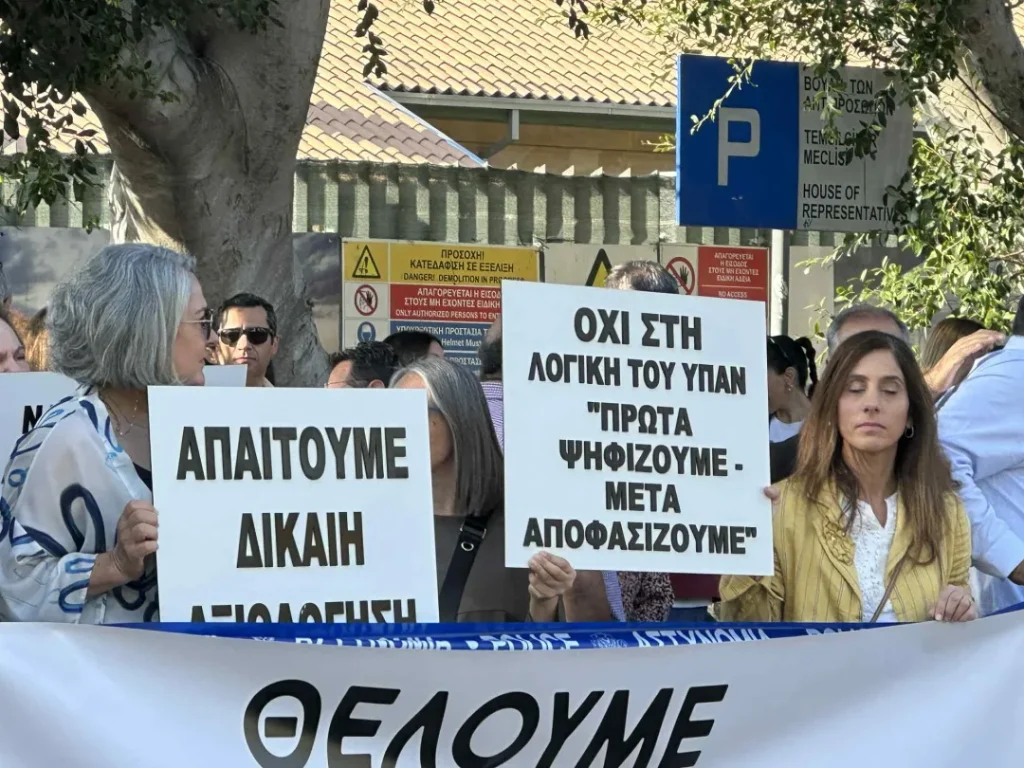
Nicosia, Cyprus. Primary school teachers’ union Poed has called on its members to abstain from education ministry training and information meetings on the new teacher evaluation framework, citing lack of consultation and organisational shortcomings.
Union objections to meetings
In a statement issued on Tuesday, Poed expressed strong dissatisfaction with how the ministry is proceeding with the implementation of recently passed legislation on teacher evaluation.
The union said the meetings were arranged without prior dialogue with Poed and add pressure on public schools already facing staffing shortages.
According to Poed, the timing of the training is problematic because many schools are operating with insufficient replacement teachers. The union said teacher absences to attend meetings further disrupt daily school functioning.
Concerns over planning and access
Poed also raised concerns about planning, saying the number of meetings and available places does not correspond to the approximately 8,000 teachers affected by the new legislation. It said this raises doubts about whether all teachers will receive equal and effective information.
Request for talks and ministry response
Poed requested an immediate meeting with the education ministry to discuss the matter and improve planning and management. Until it receives a response, it is calling on members not to participate in the training sessions, and said it will issue a further announcement if there are developments.
The education ministry said implementation of the new evaluation system is progressing as planned and that training activities are part of a gradual transition aimed at supporting teachers during the introduction of the new framework.
Background to the dispute
The dispute follows months of tension between the ministry and teachers’ unions over the evaluation reform. Poed has said it supports the reform in principle but opposes it in its current form, arguing it was advanced without meaningful social dialogue.
How do you think teacher training on reforms should be organised to avoid disrupting school operations?