


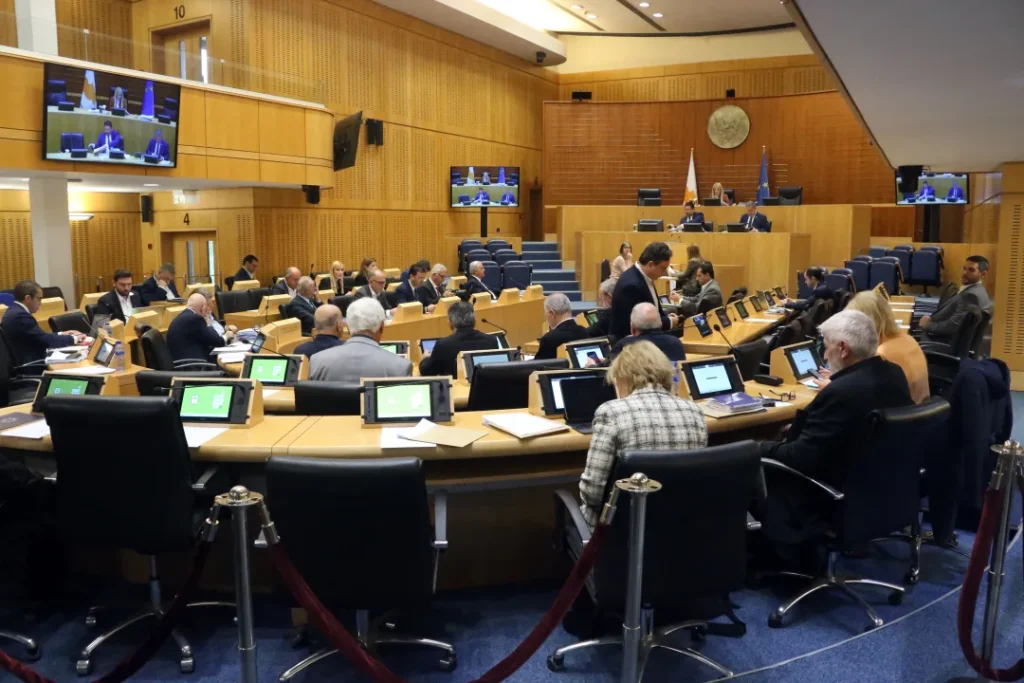
Nicosia, Cyprus. Cyprus’ traditional parties are projected to lose seats at next month’s parliamentary election, according to a poll published late on Thursday night. The poll forecasts that newer parties will gain seats as the established parties’ representation declines.
Poll findings on Akel and Disy
The poll was conducted by Rai Consultants for television channel Alpha. It found that Akel and Disy will remain the largest two parties in parliament after the election, but both are expected to return to the House with fewer seats than before.
According to the poll, Akel is projected to win marginally more votes, but both Akel and Disy are forecast to win 13 seats each. The poll said this would be the worst parliamentary election result for both parties since 1981.
Diko, Dipa and Edek projections
Diko, which finished in third place in every parliamentary election since it came second in 1985, is forecast to have its worst parliamentary electoral result in its 50-year history, winning five seats and placing sixth.
The poll projects that Diko will be the only one of the three parties supporting the government to retain seats, with Dipa and Edek facing a wipeout next month.
Gains projected for newer parties
Elam is projected to finish in third place with nine seats, more than doubling the four seats it won in 2021.
Direct Democracy Cyprus, founded last year by social media influencer Fidias Panayiotou, is forecast to win seven seats in its first electoral test and finish fourth.
Alma, founded last year by former auditor-general Odysseas Michaelides, is forecast to finish fifth with six seats in its first election.
Volt, which created its Cyprus wing in 2021, is forecast to be the seventh and final party to enter parliament, winning three seats.
Government context
The poll noted that, given Cyprus’ presidential political system, the government is not inherently reliant on a parliamentary majority to govern, though concerns may be raised inside the government about the projected results for the parties which support it.
How might the projected rise of newer parties affect parliamentary dynamics after the election?