


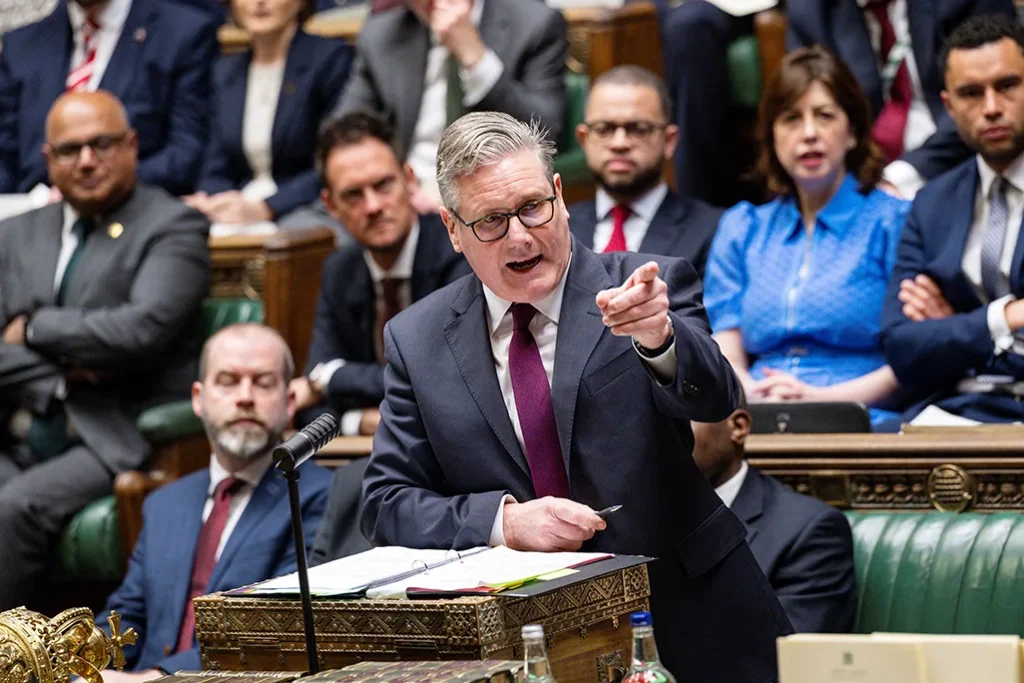
London, United Kingdom. Prime Minister Keir Starmer called an emergency Cobra meeting on Monday to address economic fallout from the escalating war in Iran as Britain’s government borrowing costs rose to their highest level since the 2008 global crisis.
Market tensions linked to energy threats
Financial market volatility intensified early in the week after Iran said it would strike the energy and water systems of Gulf neighbours if U.S. President Donald Trump follows through with a threat to hit Iran’s electricity grid.
Britain’s reliance on imported natural gas, persistently high inflation and stretched public finances have contributed to a sharper decline in UK government bonds than among international peers.
Officials to attend emergency Cobra session
The Cobra meeting, named after a secure cabinet briefing room used for national emergencies, was scheduled for the afternoon London time. Bank of England governor Andrew Bailey was due to attend, along with Starmer’s finance minister, foreign secretary and energy secretary.
Starmer told reporters he wanted “every lever that’s available to the government to deal with the cost of living” discussed at the meeting. The finance ministry said the session would also address energy security and the resilience of industry and supply chains.
Government weighs targeted measures
Finance minister Rachel Reeves said it was too soon to determine the impact of the war on Britain’s economy. She has resisted calls for sweeping cost-of-living measures for households, saying more targeted support is under consideration.
Housing minister Matthew Pennycook told the BBC that options included addressing “profiteering that we’re potentially seeing from fuel retailers,” an accusation the industry denies.
Inflation and fiscal risks
Economists have warned the energy price shock could push Britain’s inflation rate back up, potentially to 5% later this year, adding pressure to the slow-growth economy. Higher costs could also complicate Reeves’ efforts to repair public finances.
What measures do you think the government should prioritise to protect households from rising energy costs?