


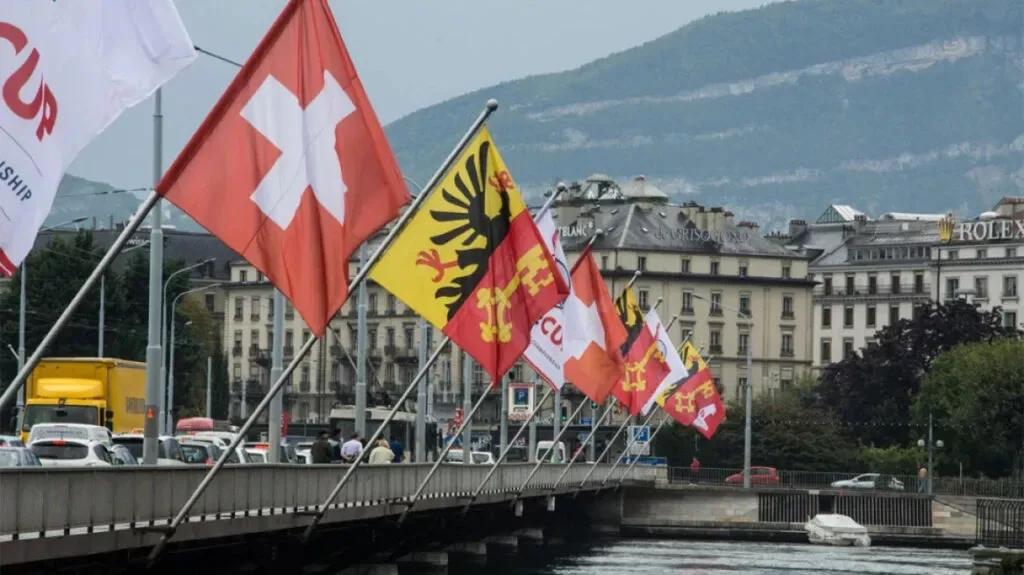
Bern, Switzerland. Swiss voters are deciding on Sunday whether to approve a proposal to cap the country’s population, in a referendum compared to Britain’s Brexit vote because of its potential economic and diplomatic consequences. Results are expected to begin coming in from around midday (1000 GMT).
Proposal and political context
The constitutional change, proposed by the right-wing Swiss People’s Party, or SVP, would require that Switzerland’s population not exceed 10 million by 2050. Official projections indicate the population is on course to reach that level by the early 2040s.
The proposal is driven by concerns about immigration and pressure on public services and housing. It comes amid broader efforts by right-wing political movements in Europe to impose stricter immigration limits, amid discontent over the cost of living, weak economic growth and crime.
Potential consequences for EU relations
If adopted, the proposal would trigger a process once the population reaches 10 million that could lead Switzerland to abandon its free movement of labour agreement with the European Union. EU member states provide a large share of Switzerland’s workforce.
Public opinion and voter sentiment
Switzerland’s population, which is ageing, has already surpassed 9 million, and polls suggest opinion is closely divided.
A final survey this month showed opinion moving against the proposal, after an earlier poll had suggested it could pass.
Helen Gulea, a 58-year-old seamstress and part-time kiosk worker in Zurich who is originally from Kenya, said she had voted by post in favour of the cap.
“If it goes above 10 million, it will become tight, and immigration should be restricted,” she said.
Patrick Leisibach, a migration expert at think-tank Avenir Suisse, said concern about overcrowding had become widespread and that many people believed public infrastructure was being stretched to its limits.
“There’s a traditional anti-immigration vote on the right wing, but these days even many on the left are feeling the pressure,” he said.