


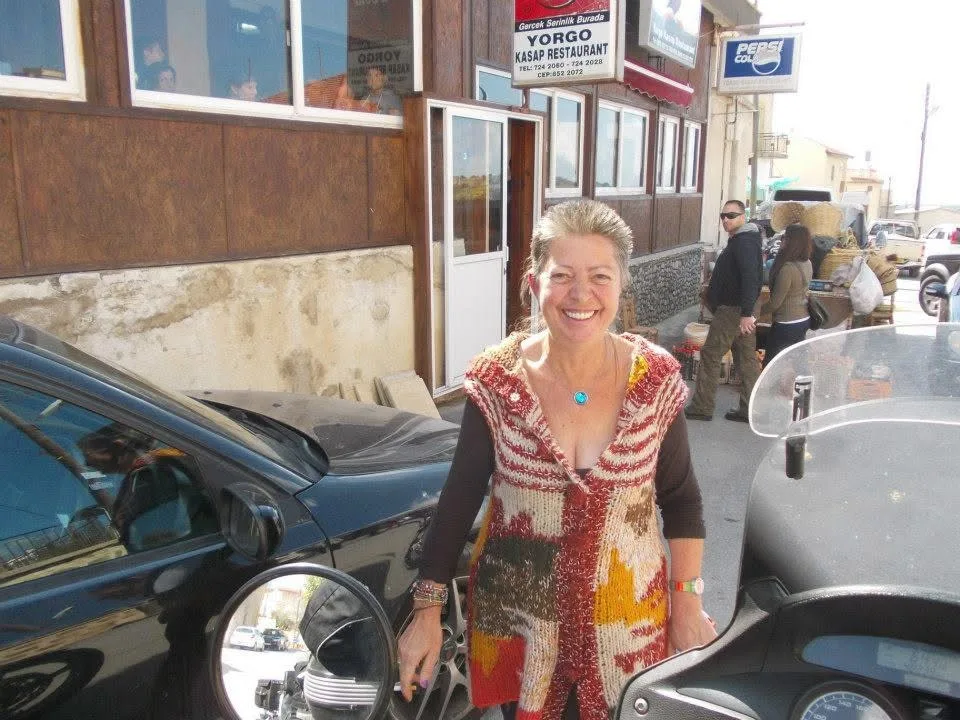
Nicosia, Cyprus. Cyprus’ political leaders and parties on Monday paid tribute to renowned journalist Sevgul Uludag, who died on Sunday at the age of 67. They praised her work on the issue of missing persons and her efforts to promote peaceful coexistence between Greek Cypriots and Turkish Cypriots.
President and political leaders pay tribute
President Nikos Christodoulides said Uludag had “highlighted with sensitivity and dedication the humanitarian plight of the missing persons of the Cyprus tragedy and worked consistently for the peaceful coexistence of Greek Cypriots and Turkish Cypriots in a free homeland, without an occupying army”.
Turkish Cypriot leader Tufan Erhurman said, “we will never forget you, your efforts, your superhuman dedication”.
Former Turkish Cypriot leader Mustafa Akinci referred to the circumstances surrounding her death, saying, “I do not think anyone outside of her closest relatives knew of the seriousness of her illness”.
He added that “Sevgul leaves behind a great void. Unfortunately, there is no other journalist who, with such persistence and determination, could have investigated, questioned and contributed to uncovering the issue of missing persons, a bleeding wound for Cyprus”.
Messages from public figures and parties
Meral Eroglu, wife of former Turkish Cypriot leader Dervish Eroglu, said, “I have lost a very courageous person who stood by me during the most difficult times of my life”, adding that “I was not the only one who lost”.
Disy said Uludag had “dedicated almost her entire life to the fight to find and clarify the fate of the missing, heroically resisting all types of threats and waging a fight through the years for coexistence between Greek Cypriots and Turkish Cypriots”.
The party added, “She truly believed in reconciliation.”
Akel described her as “a fighter for peace in Cyprus and for reconciliation between Greek Cypriots and Turkish Cypriots”.
It said, “Sevgul’s action contributed decisively to clarifying the fate of many missing persons, Greek Cypriots and Turkish Cypriots. She stood out for her insistence on a humanitarian approach to the issue of the missing persons as well as for her work to heal the open wounds of relatives and both communities more broadly.”