


Beijing, China. U.S. President Donald Trump discussed the Iran war with China’s President Xi Jinping as new vessel incidents near the Strait of Hormuz underscored the risks of a prolonged stalemate and stalled peace talks.
Trump-Xi talks and White House statement
After Trump and Xi met, a White House official said the leaders had agreed that the strait should be open, and that Iran should never obtain nuclear weapons. China is close to Iran and the main buyer of its oil.
U.S. Treasury comments on China’s role
In an interview with CNBC in Beijing, U.S. Treasury Secretary Scott Bessent said he believed China would “do what they can” to help open the strait, which he said was “very much in their interest”.
Diplomacy remains on hold
Diplomacy to end the war has been on hold since last week when Iran and the United States each rejected the other’s latest proposals, sticking to initial demands that each considers to be “red lines”.
Strait disruption and U.S. measures
Iran has largely shut the Strait of Hormuz to ships apart from its own since the United States and Israel launched their bombing campaign two-and-a-half months ago, causing the biggest ever disruption to global energy supplies. The U.S. paused the bombing last month but added a blockade of Iran’s ports.
Recent incidents near Oman and the UAE
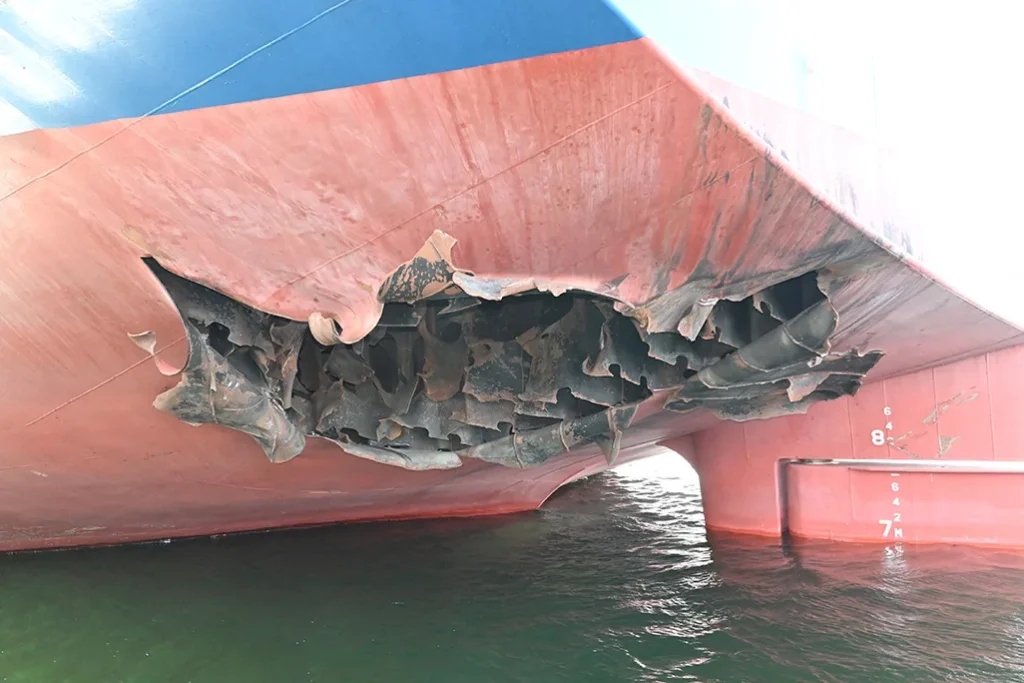
India said one of its ships had come under attack off the coast of Oman, adding that all crew were safe.
Separately, British maritime security agency UKMTO reported on Thursday that “unauthorised personnel” had boarded a ship anchored off the coast of the United Arab Emirates port of Fujairah, and were steering it towards Iran.
Fujairah sensitivity and Iranian claims
Security in that area is particularly sensitive, as Fujairah is the UAE’s sole oil port on the far side of the strait, allowing some exports to reach markets without passing through it. Iran included that part of the coast on an expanded map it released last week of waters it claimed were under its control.
Limited passage agreements and Iran’s legal stance
Iran has lately been letting the occasional ship pass through the strait under special agreements. It let a Japanese tanker through on Wednesday, and its Fars news agency reported on Thursday an agreement to let some Chinese ships pass.
Iran’s Judiciary Spokesperson Asghar Jahangir said on Thursday the seizure of “U.S. tankers” violating Iranian regulations was being carried out under domestic and international law.
What impact do you think continued restrictions in the Strait of Hormuz will have on global energy supplies?