


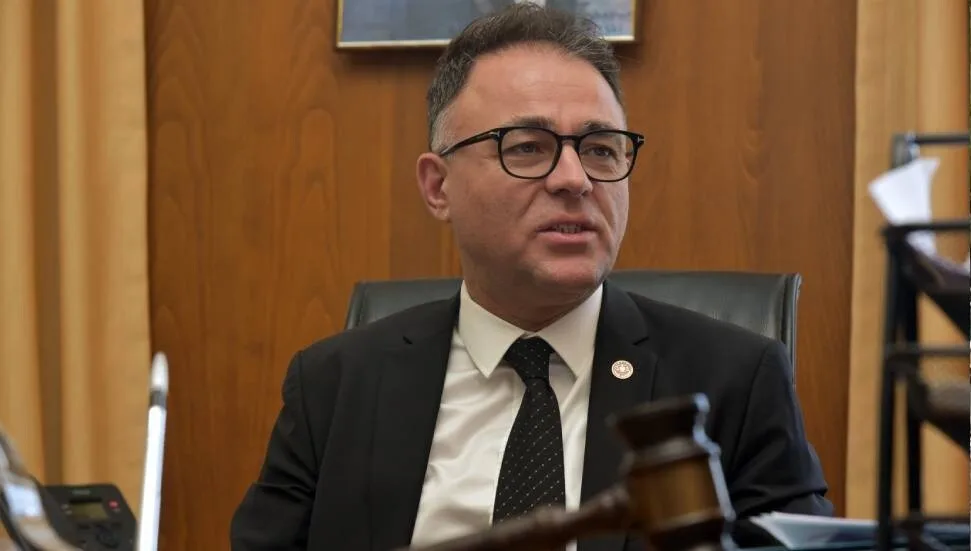
Nicosia, Cyprus. Turkish Cypriot supreme court chief justice Bertan Ozerdag has renewed his call for a referendum on constitutional amendments intended to reform the judicial system and improve its speed and efficiency.
The proposed changes include increasing the number of supreme court judges, moving administrative cases to district courts at first instance, establishing a three-tier judicial system and introducing compensation regulations for administrative cases.
Legislative process
Ozerdag told the north’s Tak news agency that the ruling coalition had submitted a bill on the constitutional amendment to the Turkish Cypriot legislature, where it is pending before the legal affairs committee.
The legislature is on an extended summer recess until October 1, meaning the matter will not be discussed for at least several months.
“A constitutional amendment is very necessary for the development and acceleration of the judiciary,” Ozerdag said, adding that the need had increased and that the changes were crucial for expanding judicial capacity and accelerating proceedings.
Previous referendum plans
Ozerdag and bar association chief Hasan Esendagli presented the four-point judicial reform plan in December last year and said a referendum should be held by March at the latest.
The referendum did not take place. Turkish Cypriot leader Unal Ustel suggested in February that it should be held in May, but that plan was not implemented.
Ustel plans to hold legislative and local elections on December 6. Ozerdag and Esendagli had previously warned against holding the referendum on the same day as another election, saying it should remain independent of politics and focused solely on the judiciary.
Supreme court expansion
The first element of the four-point plan would increase the number of supreme court judges from eight to 11.
Specialised structures would be established within the 11-member court for civil, criminal and family chambers, the supreme administrative court, election and referendum matters, and constitutional issues.