


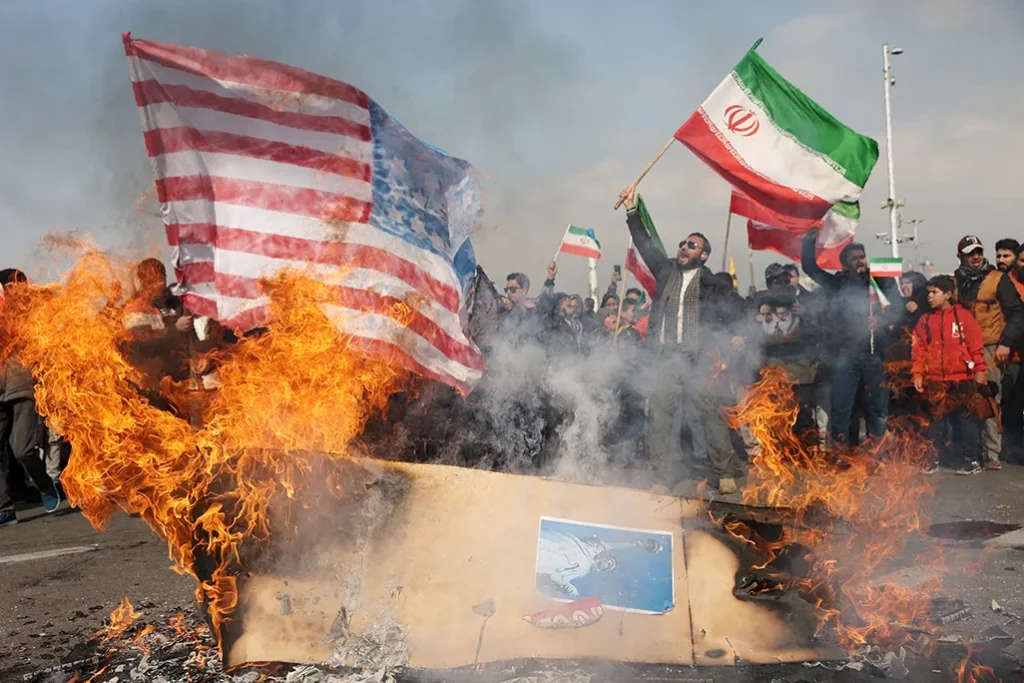
Doha, Qatar. Senior U.S. officials were expected to arrive in Qatar on Tuesday, but uncertainty over the timing and substance of any diplomatic engagement raised questions about efforts to secure a lasting end to the Iran war and fully reopen the Strait of Hormuz.
The diplomatic activity follows weekend exchanges of fire that tested a June 17 interim accord between the United States and Iran.
Interim accord under strain
The 14-point agreement gave both sides 60 days to negotiate a permanent truce in the conflict, which began with U.S. and Israeli strikes on Iran on February 28, and to address unresolved issues including the future of Iran’s nuclear programme.
The war disrupted global trade in oil and other goods, exposed Gulf states to Iranian drone and missile attacks, and killed thousands of people, mainly in Iran and Lebanon.
U.S. visit to Doha
The White House said U.S. President Donald Trump’s son-in-law Jared Kushner and envoy Steve Witkoff were expected to arrive in Doha on Tuesday for “high-level meetings”, while technical meetings were to continue on the sidelines.
Iran rules out direct talks
Iran is sending a technical delegation to Qatar this week, but Foreign Ministry spokesperson Esmaeil Baghaei said the visit had “no relation” to the arrival of the U.S. officials and that no talks were scheduled between the two sides.
“We will not have any negotiation meetings at any level with the American side in the coming days,” Baghaei said.
A senior Iranian official said any meeting in Doha would be limited to discussions on managing the Strait of Hormuz and reducing tension.
Oil market and shipping impact
Oil prices fell further on Tuesday amid the de-escalation since the weekend and were on track for their biggest quarterly loss since the COVID-19 pandemic in 2020.
After the war began four months ago, maritime traffic through the Strait of Hormuz, which had previously carried about a fifth of global trade in oil and liquefied natural gas, came nearly to a halt.
Iran has since sought to assert control over the strait alongside Oman, which lies across the waterway, saying it plans to charge ships fees to use it and obstructing vessels that move outside designated routes.