


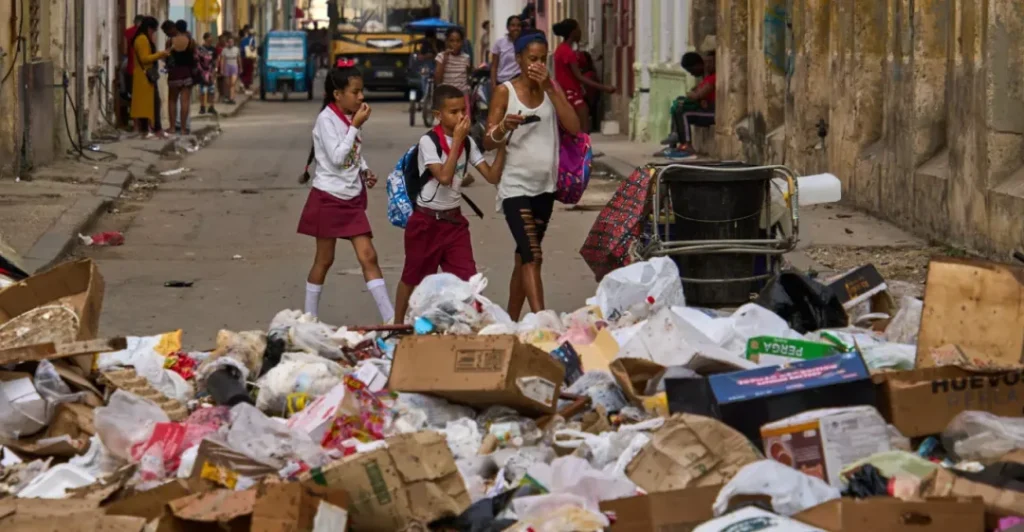
Havana, Cuba. A tightening of the US embargo under the Trump administration has deepened Cuba’s humanitarian crisis, with shortages of fuel and food raising concerns about a broader collapse. Disruptions to oil supplies have affected public services, infrastructure and daily life across the island.
Fuel shortages disrupt services and infrastructure
The policy has targeted fuel shipments and reduced oil supplies from Venezuela and Mexico, affecting transport and essential services. In Havana, streets have been described as largely deserted, gas stations have run dry, and the international airport halted operations after exhausting its kerosene reserves.
Frequent power outages have left residential areas without electricity, worsening living conditions for millions of citizens.
Trump cites pressure as embargo impact grows
President Donald Trump said the embargo is so restrictive that Cuba has been left with no oil or money. While the stated goal has been to destabilize the Marxist government, the impact described in the report has been a humanitarian emergency.
Food and medical shortages worsen daily life
Food shortages have been described as widespread, with reports of families scavenging for food in refuse piles. The healthcare system has also been affected, with pharmacy shelves reported to be empty of basic medicines and infant formula.
Schools and social stability under strain
In schools including El Salvador in Havana, meals for hundreds of children are being prepared over charcoal because of a lack of cooking gas. Educators cited concerns that resource shortages and suspended regular classes for teenagers could contribute to higher crime and social instability.
Migration accelerates as inequality becomes more visible
Nearly two million Cubans have fled the island in recent years, according to the report. For those who remain, inequality has been highlighted by luxury government-owned hotels, including the Iberostar Selection La Habana, continuing to operate while surrounding communities face limited electricity and sanitation.
Residents cite internal failures alongside embargo impact
While the Cuban government has frequently blamed the embargo for the crisis, residents have increasingly spoken about administrative failures and corruption. In housing projects such as Alamar, residents reported rising anger and a sense that the system is failing to meet basic needs.
International scrutiny and growing dissent
As the international community watches the situation, the effectiveness of the embargo is being weighed against its human cost. The report said public dissent is growing despite fear of repression, with the coming months seen as critical for the island’s stability.
How do you think the fuel, food and medicine shortages will affect daily life in Cuba in the coming months?