


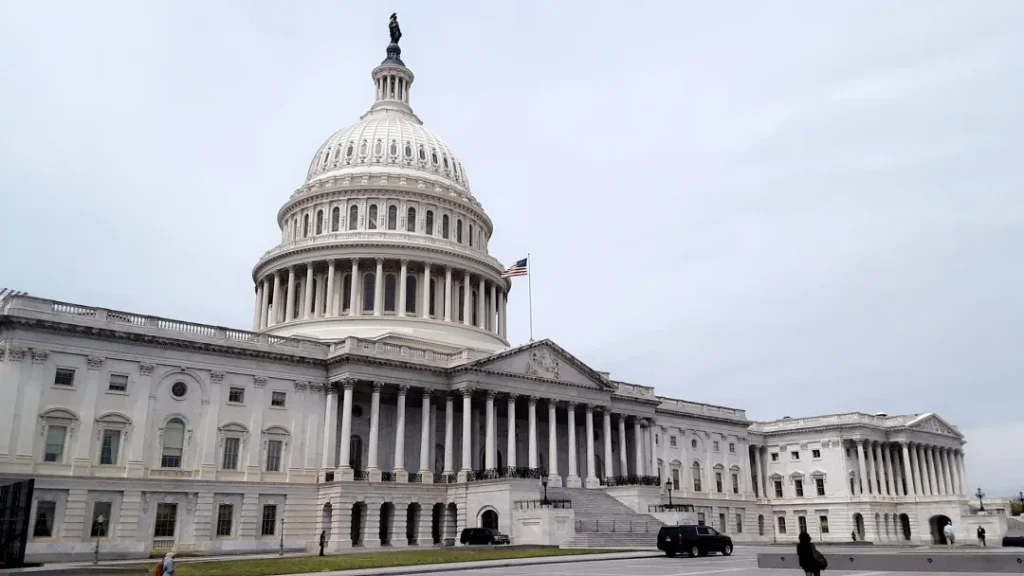
Larnaca, Cyprus. Cyprus is set to gain an enhanced energy and security role after the US House of Representatives Committee on International Affairs approved legislation anchoring the eastern Mediterranean in US planning for the India, Middle East, Europe economic corridor (IMEC).
Committee approval and strategic role
The bipartisan bill, titled the Eastern Mediterranean Gateway Act, would elevate Cyprus from a supportive regional partner to a strategic partner within IMEC-linked energy security and defence cooperation. The legislation seeks to integrate Cyprus into American security architecture tied to IMEC, linking the island’s energy and maritime infrastructure to a wider axis connecting India, the Gulf states and Europe.
Next steps and political outlook
The bill must still pass the Senate and is likely to be incorporated into a broader defence funding package ahead of the 2026 midterm elections. Its committee approval signals bipartisan support for Cyprus’ evolving role as a strategic partner.
Energy infrastructure and the Great Sea Interconnector
The bill explicitly references the Great Sea Interconnector (GSI), which would link the electric grids of Cyprus, Greece and Israel. It frames the project as a pillar of European energy security and a functional component of the broader corridor.
Security cooperation and CYCLOPS
The legislation places emphasis on Cyprus’ Centre for Land, Open Seas and Port Security in Larnaca (CYCLOPS), which it identifies as a model for regional cooperation. It requires the US secretary of state, in coordination with the Department of Homeland Security, to assess the centre’s operation as a potential template for wider initiatives involving IMEC countries.
Foreign policy priority and regional frameworks
Beyond infrastructure and security, the bill calls for the eastern Mediterranean to become a priority of US foreign policy and supports existing cooperation frameworks, including the 3+1 arrangement with Greece, Israel and the United States.
How could the bill’s next steps in the Senate affect Cyprus’ role in IMEC-linked cooperation?