


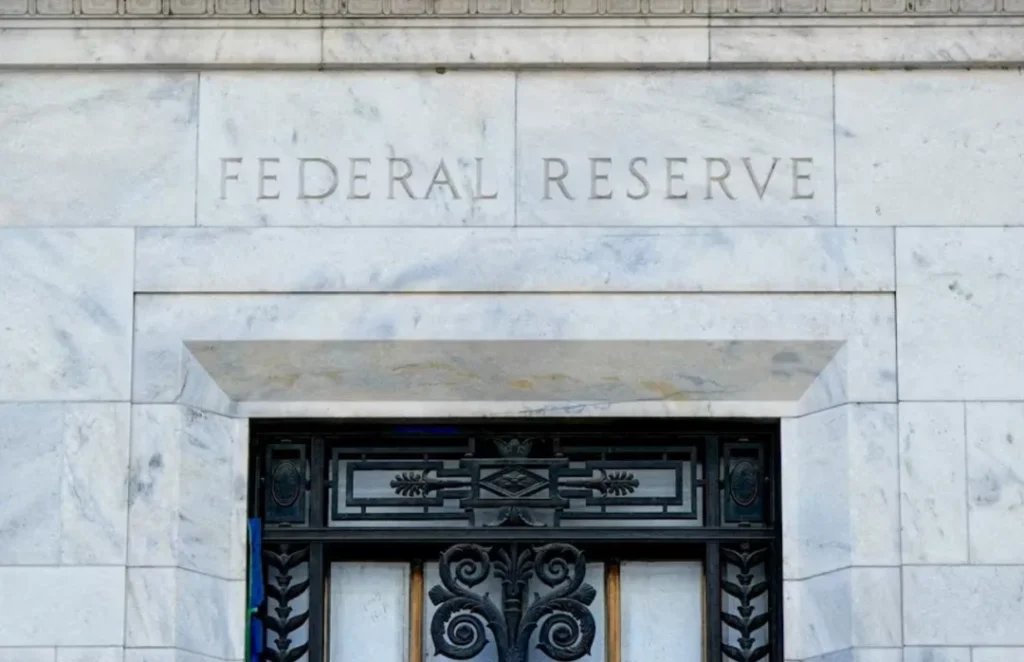
Washington, United States. The US employment report due later this week is expected to test whether the economy remains resilient enough for the Federal Reserve to keep monetary policy on hold. A softer labor market could revive the case for interest rate cuts, an outlook analysts said has been sidelined by the war with Iran.
Markets shift to no rate moves this year
Solid economic growth and concerns about war-driven inflation have left markets expecting no rate moves this year, a sharp change since January, when fed funds futures traders were pricing in two 25-basis-point cuts in 2026.
“The economic backdrop and the data have been quite resilient through the conflict,” said Jonathan Cohn, head of US rates desk strategy at Nomura. “Even without the uncertainty from Iran, one could make the case that the economy doesn’t require meaningful easing at this point.”
Labor market weakness could reopen easing debate
A clear sign of labor market deterioration could prompt Fed officials to start thinking about lower rates, analysts said, though even a very weak report might be unlikely by itself to shift the consensus at the US central bank. Analysts cited the strength of last month’s employment report, other solid economic data and stubbornly high inflation.
Investors have been banking on lower rates to sustain increases this year in the prices of stocks and other assets.
Recent jobs data and rising yields
Analysts said strong data has helped the case against rate cuts even if there is a near-term resolution of the war. The US economy added 178,000 jobs in March, nearly three times the 60,000 forecast by economists in a Reuters poll, while the unemployment rate edged lower to 4.3 per cent.
Benchmark 10-year Treasury yields have climbed to 4.43 per cent from 3.94 per cent before the war began on February 28, while rate-sensitive 2-year yields have risen to 3.94 per cent from 3.38 per cent. That repricing reflects markets adjusting to expectations of higher interest rates for longer.
Fed signals and narrowing scope for cuts
There are few signs so far that easing is foremost on central bank officials’ minds. The Fed held rates steady at its most recent meeting, but three policymakers dissented over language suggesting that the bias was toward rate cuts.
“Over the inter-meeting period, there was growing support for a more neutral stance on the future path of interest rates,” said Vail Hartman, US rates strategist at BMO Capital Markets.
Fed Chair Jerome Powell said last week in his post-meeting press conference that the US central bank could drop its easing bias as soon as its June 16-17 meeting.
Analysts said the conditions supporting a cut in the fed funds rate from the current 3.50 per cent-3.75 per cent range had narrowed considerably.
What will you be watching most closely in the upcoming US employment report?