


Washington, United States. The US Supreme Court ruled on Friday that President Trump cannot unilaterally impose sweeping global tariffs under a federal emergency powers law. The 6-3 decision limits the use of the International Emergency Economic Powers Act for imposing duties or taxes.
Court ruling and majority opinion
Chief Justice John Roberts, writing for the majority, said the International Emergency Economic Powers Act (IEEPA) does not authorise the president to impose duties or taxes. Roberts noted the statute contains no reference to tariffs and that the government could point to no instance where Congress used the word “regulate” to authorise taxation.
Justices Neil Gorsuch, Amy Coney Barrett, and the three liberal justices joined the majority, though they differed on their legal reasoning.
White House response and new tariff move
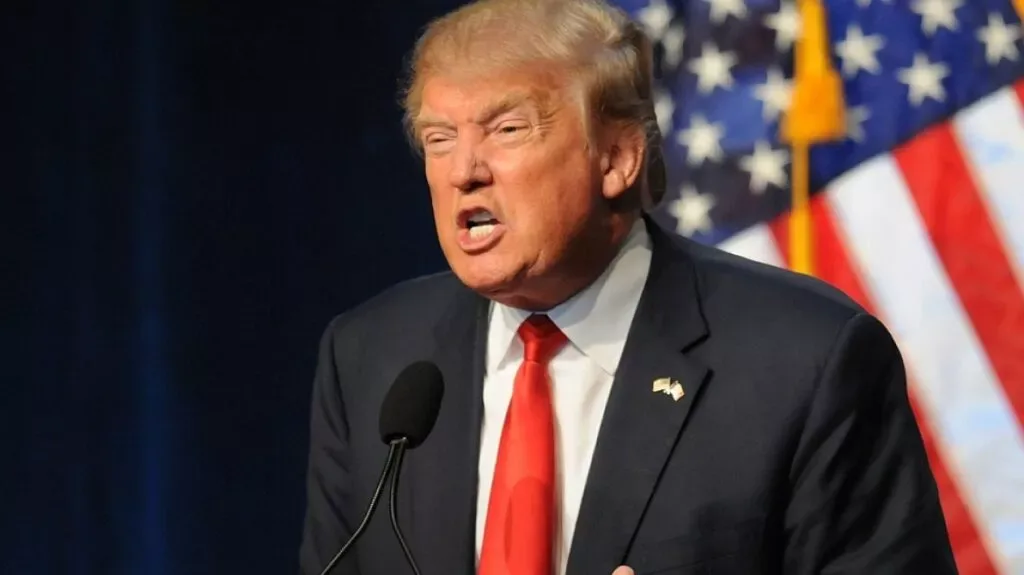
Speaking at the White House, Trump criticised the ruling, calling the majority justices a “disgrace to our nation,” and said he was ashamed of the court’s lack of “courage” to support his agenda. He then announced a new 10% global tariff using Section 122 of the Trade Act of 1974, which allows a baseline duty of up to 15% for a limited period of 150 days to address balance-of-payment deficits.
Significance and dissent
The case marked the first time the Supreme Court evaluated a second-term policy from the Trump administration. The court has previously allowed the president to enforce plans temporarily during legal challenges, but this ruling was described as his most significant second-term loss to date.
In a dissenting opinion, Justice Brett Kavanaugh, joined by Clarence Thomas and Samuel Alito, argued that tariffs are a traditional tool for regulating imports. He said forcing the government to refund billions in collected duties would create a “mess” for the US Treasury and could disrupt existing trade deals with the UK, China, and Japan.
Other trade authorities and tariff impact
The ruling does not prevent the president from using other trade authorities to impose levies. Trump has used other laws to place duties on copper, steel, and aluminium.
The administration has said foreign producers pay the costs, but an analysis by the Federal Reserve Bank of New York found that nearly 90% of the tariff burden fell on US companies and consumers last year.
Timing ahead of State of the Union
The decision came four days before the president’s State of the Union address, where he was expected to highlight his first-year accomplishments.
How do you think the ruling will affect the administration’s approach to trade policy?