


Kyiv, Ukraine. President Volodymyr Zelenskiy criticised Russia on Wednesday for responding to his offer of an Easter truce with airstrikes, while describing fresh talks with U.S. mediators as “positive.”
Call with U.S. officials and NATO chief
Zelenskiy held remote talks on Wednesday with U.S. special envoy Steve Witkoff, Jared Kushner, and U.S. Senator Lindsey Graham as part of U.S. efforts to negotiate an end to the conflict. NATO Secretary General Mark Rutte also joined the call amid tensions between Washington and some of its partners in the alliance.
Security guarantees document
In his nightly video address after the call, Zelenskiy thanked the United States for its efforts and said Ukrainian and U.S. teams agreed to strengthen a document outlining U.S. security guarantees for any future peace deal. Zelenskiy said, “This is precisely what could pave the way for a reliable end to the war.”
U.S. pressure and stalled talks on territory
In recent weeks, Zelenskiy has said the United States was pressuring Ukraine to make concessions to bring a quick end to the conflict, which he said has fallen well below Iran in Washington’s priorities since the U.S. and Israel launched attacks on Tehran in late February. Talks with Russia remain deadlocked over land, with Ukraine refusing Russian demands that it relinquish remaining parts of the eastern Donbas region that Russia has been unable to conquer.
Easter truce proposal and airstrikes
Zelenskiy said he spoke with U.S. negotiators about his offer of an Easter ceasefire to Russia. Easter, according to the Orthodox Christian calendar, falls on April 12 this year. Russia’s foreign ministry rejected the proposal on Wednesday as a “PR stunt.”
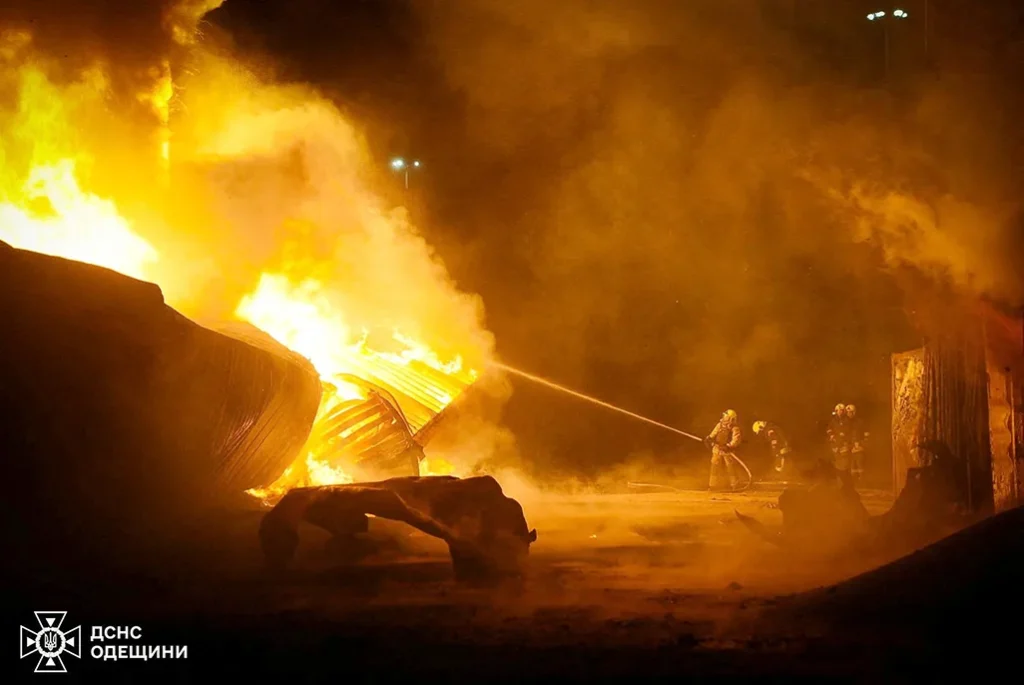
Zelenskiy said Russian forces fired more than 700 drones on Wednesday, including Iranian-designed “Shaheds,” in a rare daytime attack targeting parts of western and central Ukraine. He said Russia was continuing operations against Ukraine’s energy sector and infrastructure, and that he discussed with U.S. negotiators ways of advancing diplomacy.
How do you think the strengthening of U.S. security guarantees could affect future peace talks?