Cyprus to seek extension of lower fuel excise duty until March 2027, finance minister says
Finance Minister Makis Keravnos said the government will propose prolonging the cut in motor fuel excise duty to March 2027 and rejected claims that higher VAT receipts stem from inflationary taxation.
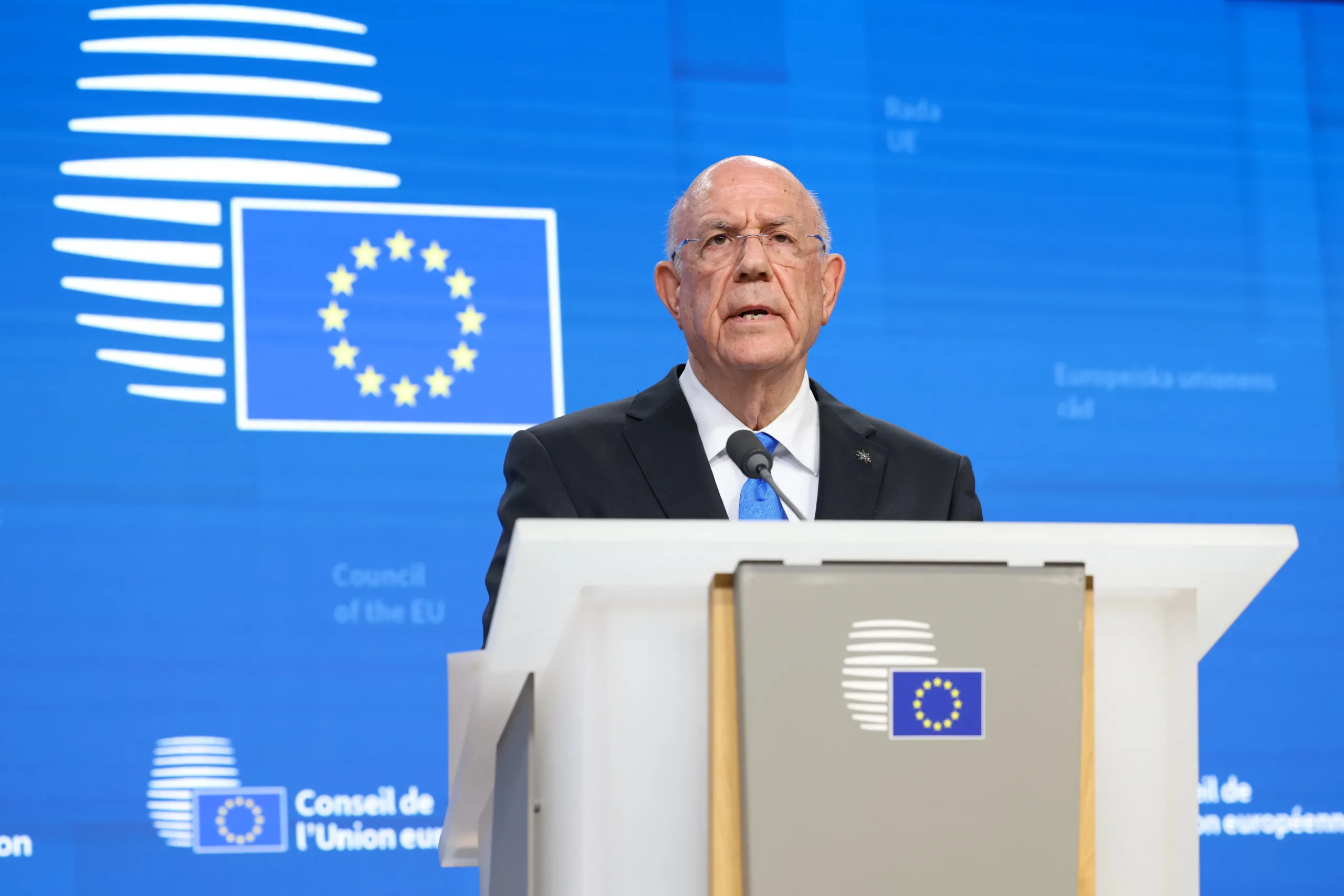
Nicosia, Cyprus. Finance Minister Makis Keravnos said on Wednesday that the government will seek to keep the lowered excise rates on motor fuels in place until March 2027. He also attributed growing value added tax (VAT) revenue to stronger consumer spending rather than to inflation-driven taxation.
Fuel excise duty measure
Keravnos made the remarks at the Presidential Palace following a cabinet session. He explained that the current cut in fuel excise duty is set to lapse at the end of November. A proposal to renew it, possibly through to March 2027, will be put before the cabinet.
Related: Women leaders to discuss finances in Nicosia as minister seeks longer fuel duty cut
 RelatedWomen leaders to discuss finances in Nicosia as minister seeks longer fuel duty cut
He was answering questions on inflationary pressures, state revenues and whether additional support for households and businesses was under consideration.
Defence of fiscal policy
The minister also defended the government’s fiscal approach after the announcement of a budget surplus. He argued that built-up reserves and a falling public debt are helping Cyprus cope with economic and geopolitical uncertainty.
Keravnos said he welcomed the latest fiscal data, which in his view show the economy’s resilience stems from the way the government manages public finances. “I am pleased because our economy continues to demonstrate this resilience, which is attributable to the specific economic policy pursued by the government, a preventive and responsible economic policy,” he said.
He questioned the criticism directed at the administration over its economic management and argued that its fiscal results deserve acknowledgement. “I want to hope that we have not reached the point where we are accusing the government because it maintains and sustains a successful economic policy and a healthy economy,” Keravnos stated.
VAT receipts
Responding to talk of an “inflationary VAT”, the minister dismissed the idea that larger tax receipts reflect a heavier effective tax burden driven by rising prices. He said the reverse may well be the case, noting that the government has lowered VAT in many instances on essential goods, as well as on electricity and energy, among other items.
Related news




This news item was generated automatically by Cyprus Inform from publicly available materials. Report an error →

Write a comment