Oev urges risk-based retail workplace safety rules tailored to individual businesses
Oev called for proportionate safety requirements, support for smaller businesses and training on new technologies at an International Labour Organisation committee in Geneva.
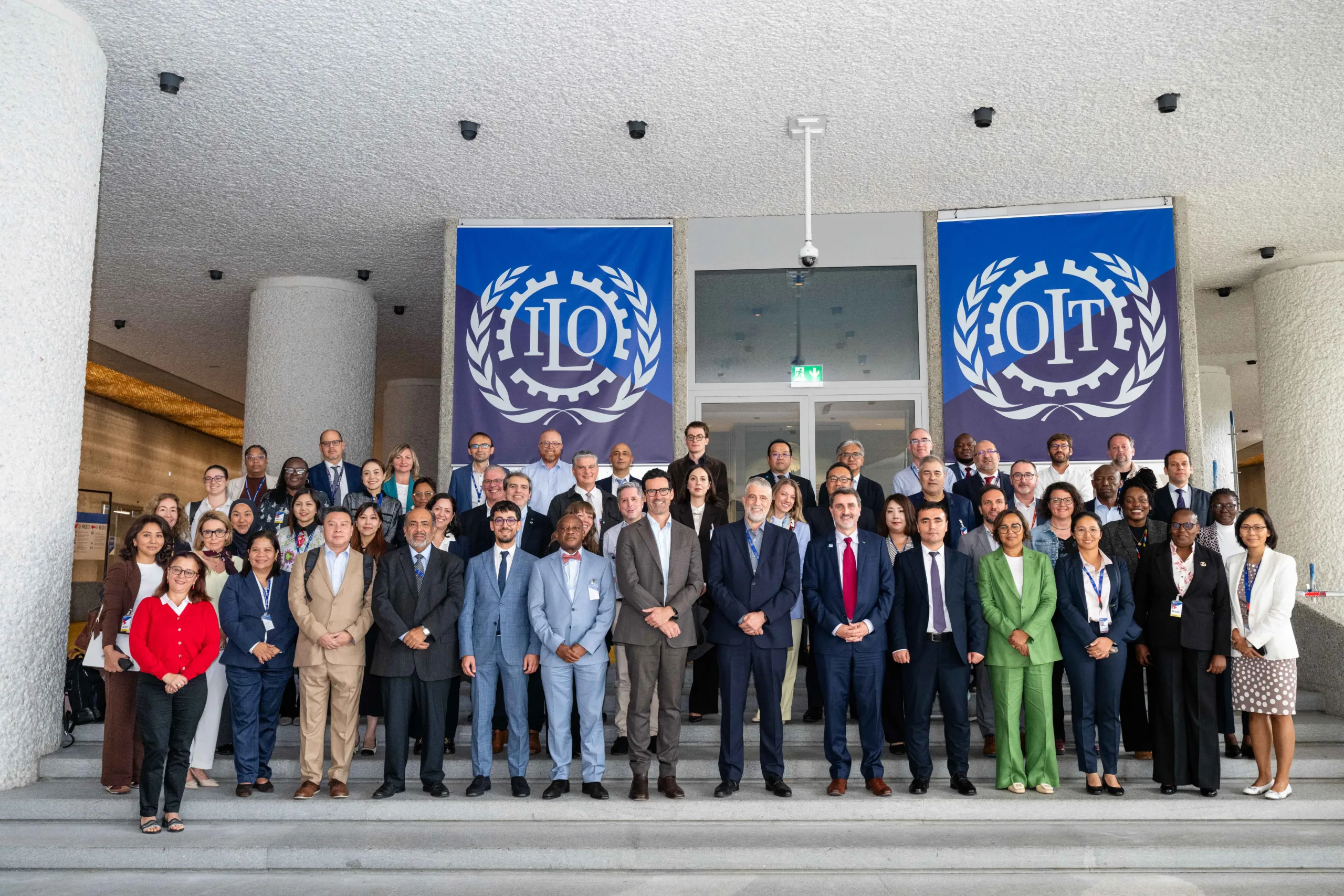
Geneva, Switzerland. The Employers and Industrialists Federation (Oev) has urged that retail workplace safety requirements be tailored to each business’s risks, size and needs instead of applying a uniform approach. It presented its position at an International Labour Organisation (ILO) tripartite technical committee meeting on retail occupational health and safety, held from September 28 to October 2, 2026.
Retail risks and changes in work
Government delegates and organisations representing employers and workers from several countries attended the committee to review both established and emerging risks facing retail staff. Their examination took account of changes in working life and the increasing adoption of new technologies.
The discussions addressed biological, physical, psychosocial and ergonomic hazards, as well as approaches to preventing occupational illnesses and accidents at work. Participants also considered the benefits and difficulties associated with automation, digitalisation and different approaches to organising work.
Amalia Papaioannou, an officer within Oev’s Energy and Environment Department, represented the federation as part of a small international delegation of employers.
Proportionate requirements and support
Oev argued that safety measures should be workable and proportionate, with requirements grounded in risk assessments and adjusted to each business’s nature, size and actual needs.
The federation also sought practical guidance and suitable assistance for small and medium-sized enterprises so they could put preventive measures into practice effectively.
Technology and employee training
Oev backed the use of technology to enhance workplace conditions, productivity and safety, while stressing that risks must first be assessed and employees given suitable training.
It also emphasised that workers’ skills and knowledge should be developed continuously to enable them to operate new technological tools effectively and safely.
This news item was generated automatically by Cyprus Inform from publicly available materials. Report an error →