Currency in Cyprus: the euro, cash, cards and currency exchange
A practical guide to paying in Cyprus: where you need cash, how to withdraw euros, what to do about terminal currency conversion and how to arrange a backup card.
Checked: 13 September 2026.
What currency is used in Cyprus
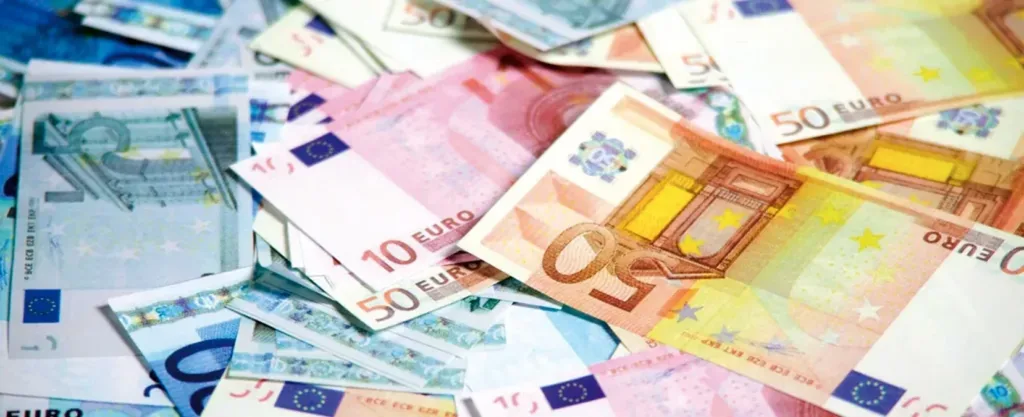
The official currency of the Republic of Cyprus is the euro. The country adopted the euro on 1 January 2008, and the period of dual circulation of cash ended on 31 January. Cypriot coins feature a national design on one side but are standard euro coins and are accepted in other eurozone countries.
Prices, receipts, taxes and official payments are quoted in euros. The old Cypriot pound is not required for your trip and is not accepted as payment in shops. If you are offered the chance to exchange it ‘for your collection’, treat it as buying a souvenir rather than obtaining local currency.
The northern part of the island lies outside the effective control of the Republic of Cyprus and has a different everyday payment system. This article describes the Republic of Cyprus. If your itinerary crosses the buffer zone, check the entry, insurance and payment rules separately for each side.
Cards and contactless payments
Cards are widely accepted in supermarkets, hotels, restaurants, chemists and petrol stations. The Central Bank regularly publishes statistics on cashless payments, which show a high proportion of card transactions. However, ‘widely’ does not mean ‘everywhere’: a small kiosk, market, bus or remote service may require cash.
Take two cards from different banks or payment systems and keep them separate. Before you fly, check that overseas transactions are authorised, as well as your spending limit, fees and how to confirm payments without access to your home SIM card. A card issued by a bank subject to sanctions or technical restrictions may not work, even if it bears the logo of a familiar payment system.
Contactless payment by mobile is convenient, but depends on the battery, network and wallet settings. Do not rely on it as your only option. For large amounts, the terminal may ask for a PIN or require you to insert your card. Keep the keypad covered and do not hand over an unlocked phone to a member of staff.
How much cash to take
There’s no one-size-fits-all amount: it depends on your accommodation, transport and habits. A practical approach is to keep a small reserve to cover one day’s usual expenses and a separate amount for the journey to your accommodation. Do not carry your entire budget with you; leave some in a safe place and top up your reserve as and when necessary.
Cash is particularly useful for small purchases, tips, village markets, some car parks and situations where the payment terminal is temporarily out of order. A large note can be inconvenient in the morning or in a small establishment. Ask for a receipt and count your change calmly at the till.
Do not carry excessive amounts of cash simply because you are wary of using cards. There is a risk of losing cash, and declaring large sums is regulated by law. If your trip involves paying for accommodation, medical treatment or other significant services, agree on a legitimate banking method in advance and keep a record of the agreed details.
ATMs and fees
Choose an ATM belonging to a well-known bank in a well-lit area, check the card slot and cover your PIN. The machine may display its own fee before confirmation, whilst your bank may charge a separate fee for the withdrawal and currency conversion. These amounts are added together, so a sign saying ‘no fee’ from one provider does not guarantee a free transaction.
If your account is not in euros, the cash machine may offer to convert the amount into your card’s currency straight away. This is dynamic currency conversion (DCC). The screen should display the exchange rate and the mark-up; compare these with your bank’s terms and conditions. It is usually more transparent to decline the machine’s conversion and have the euros debited directly, but the final cost depends on your card’s tariff.
Do not authorise the transaction if the amount, currency or fee is unclear. Take a photo of the message without any personal details and cancel the transaction. If your card is retained, call the bank’s number listed in the official app or on the back of another card, rather than just the number on the sticker on the terminal.
Payment in euros or in the card’s currency
A terminal in a shop may also offer DCC: the option to pay in euros or directly in roubles, pounds, dollars or another home currency. Choosing your home currency means the exchange rate set by the merchant’s conversion provider. European regulations require the total mark-up relative to the ECB reference rate to be disclosed, but the decision rests with the payer.
If you choose euros, the conversion is carried out by the bank or card provider at their own rate. Find out their exchange rate and commission before you travel, so you can make a meaningful comparison. Don’t agree to DCC just because the screen shows a familiar currency: a figure that looks convenient isn’t necessarily the best deal.
Check the amount and currency before entering your PIN or tapping your card. If the cashier has converted the amount without your consent, ask them to cancel the transaction and process it again in euros. Keep both receipts if the transaction is corrected. For refunds, the shop usually uses the original card and the currency of the transaction, and the exchange rate difference may still apply.
Currency exchange and transfers
If you’re bringing in cash in another currency, don’t be swayed by advertising claims of ‘0% commission’ – check the final amount in euros instead. Ask for the exchange rate, any fixed fees and the amount to be paid out before handing over the money. Use a licensed currency exchange bureau or bank, obtain a receipt and do not exchange money with a stranger.
Euro transfers within the SEPA area are subject to standard rules, but the processing time, cost and availability depend on your bank and account type. Instant transfers only work when both providers support the service. Check the IBAN and the recipient’s name: it is harder to recover money transferred to a stranger than a card purchase.
When renting or making a booking, do not transfer money using details from an email that has suddenly changed without double-checking via a trusted contact. A fraudster may have tampered with the correspondence. Verify the account holder, the contract, the purpose of the payment and an independent telephone number, especially before making a large payment.
Financial checklist for your trip
Before departure, notify your bank of your trip; if required, update your app and save the official card-blocking number. Note down spending limits and fees, and ensure you have two cards and a small amount of euros to hand. Do not keep your PIN with your card, and do not send photos of both sides of it via messaging apps.
Whilst travelling, enable notifications and check your transactions regularly. If you notice an unauthorised charge, block your card via the official channel and record the details. A receipt can help in a dispute, but do not post the whole thing online: it may contain the last few digits of your card, the terminal ID and the merchant’s details.
Exchange rates and bank charges vary, so this article does not guarantee a specific conversion rate. Before making a significant payment, check your bank’s current terms and conditions and the terminal screen. A tried-and-tested approach in Cyprus is to use a card for most expenses, keep a cash reserve and have an independent backup method.