L.I.T.C. School (Limassol)
About the company
Secondary School in Limassol
L.I.T.C. Private Secondary School is the first Russian school in Cyprus to offer an in-depth programme in English. It was founded in 1997.
L.I.T.C. graduates go on to study at universities in Cyprus, Russia, the UK, Germany, the USA, Austria and other countries. Every year, pupils who graduate with distinction or with grades of ‘4’ and ‘5’ receive tuition fee discounts (100%, 50%, 40%, 30%) at Cyprus’s leading higher education institutions. The school has won over 20 gold and silver medals for academic excellence, a testament to the combination of pupils’ hard work and the professionalism of the teaching staff.
In 2007, out of 24 leavers, 12 were eligible for reduced-fee places at universities in Cyprus, six of whom were medal winners. In 2009, out of 13 graduates, 7 achieved grades ‘4’ and ‘5’, and one graduated with distinction. In 2013, out of 15 graduates, some received ‘gold’ medals, whilst 7 graduated with marks of ‘4’ and ‘5’. In 2014, three out of nine graduates received their school certificates ‘with distinction’.
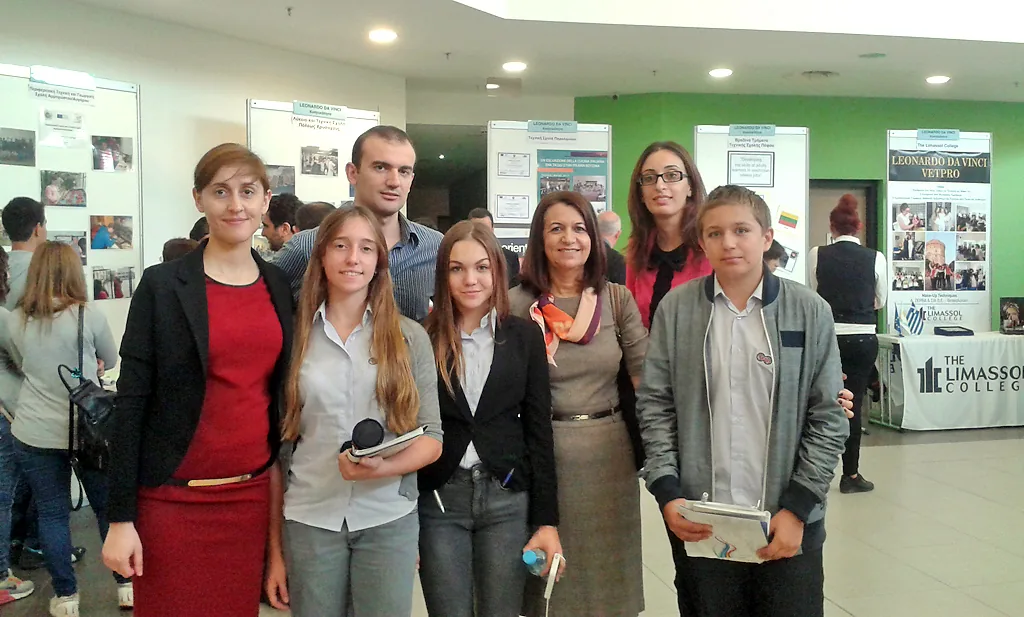
L.I.T.C. School takes part in a variety of European programmes, including Comenius and Erasmus. Since 2013, the school has been a testing centre for Russian as a Foreign Language (RKI) under the Lomonosov Moscow State University and a Microsoft testing centre.
Education in Cyprus
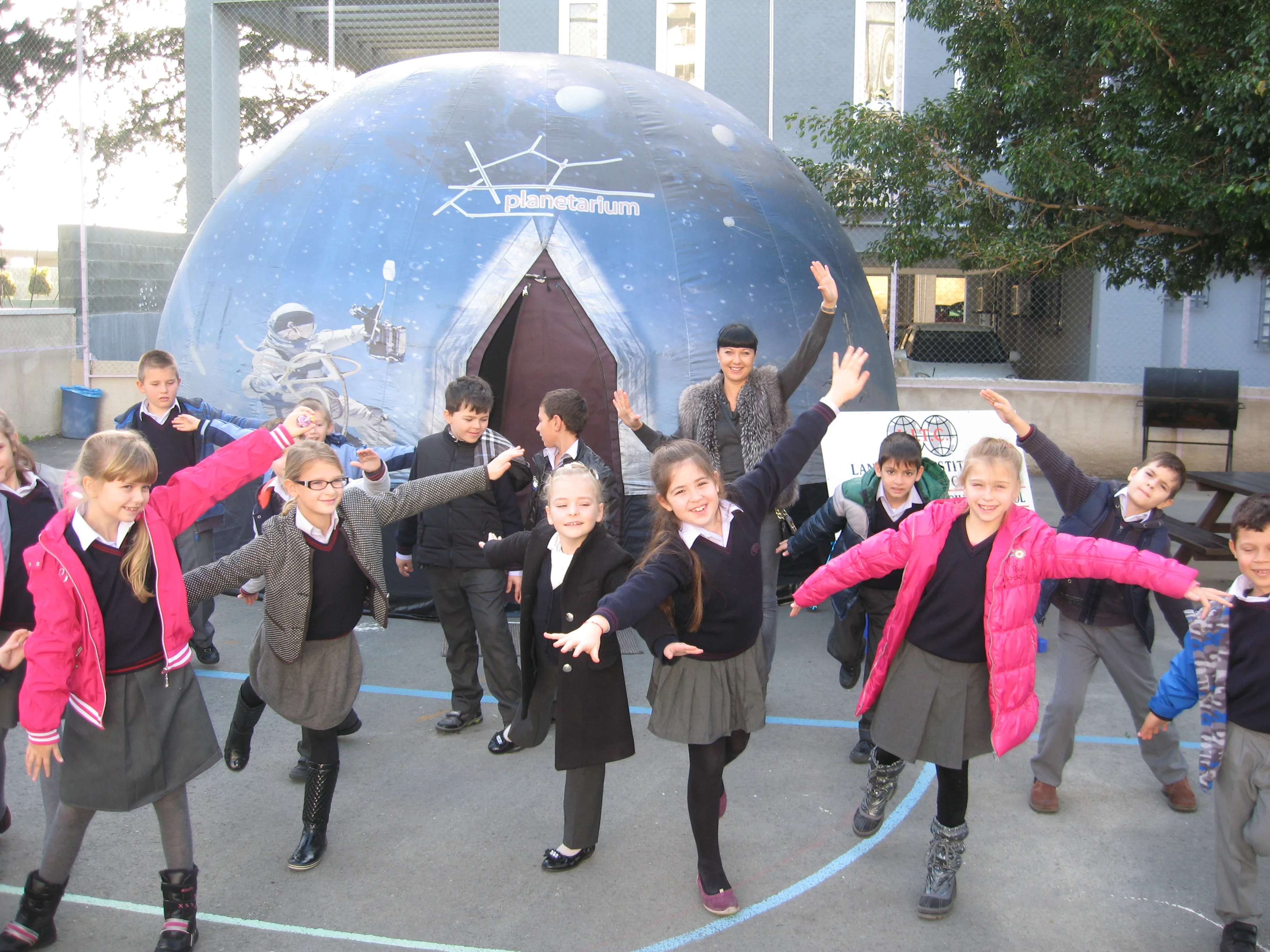 Lessons at the school begin at 08:00 and finish at 12:50 in the primary school and at 13:35 in the secondary school. L.I.T.C. runs a preparatory group and an after-school club.
Teachers, pupils and residents of Limassol can make use of the school library, which is constantly being updated. An external study programme is organised for pupils from English and Greek schools.
At the request of pupils and their parents, extra lessons are organised in Greek and English, as well as in other subjects; there are sports clubs (chess, tennis, football, basketball) and a drama group.
The school has a canteen where hot meals (breakfast and lunch) can be ordered. Should any issues arise, pupils can seek help from qualified specialists – a psychologist and a speech therapist.
Throughout the year, L.I.T.C. organises a range of festive and excursion-based projects, including:
- ‘First Bell’: a welcome event for Year 1 pupils;
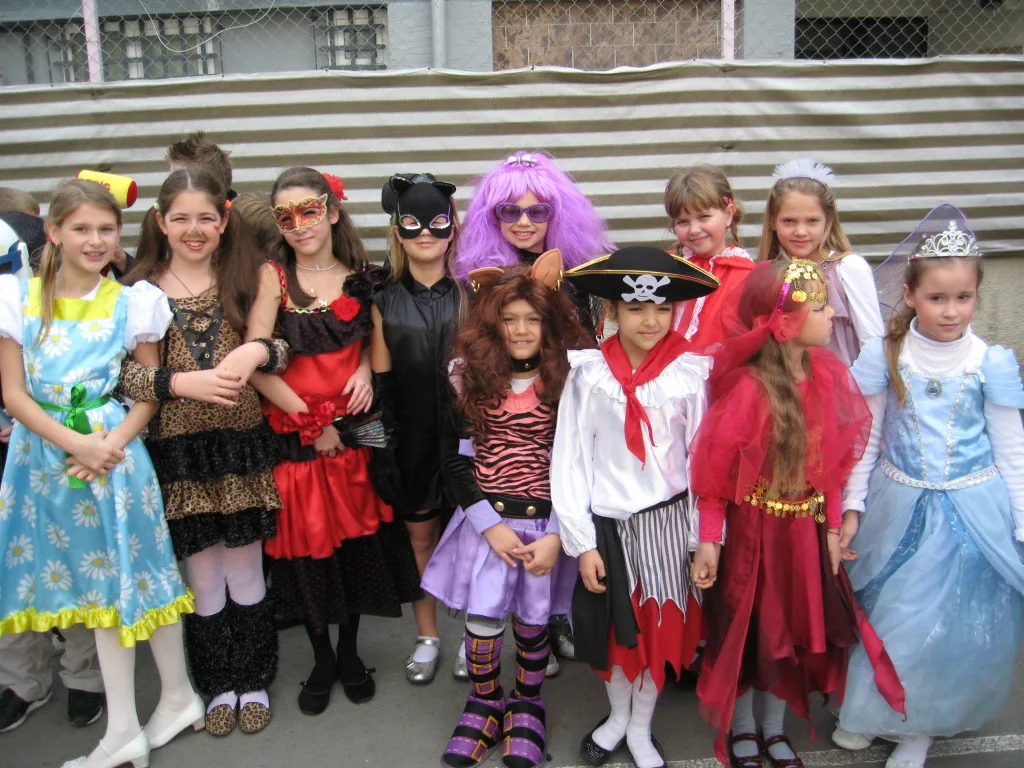
- ‘Teachers’ Day or Substitute Teachers’ Day’. On this day, senior pupils take over lessons from the teachers;
- Sports Day: an outing away from the school, sports competitions between classes, followed by a barbecue, relaxation and games;
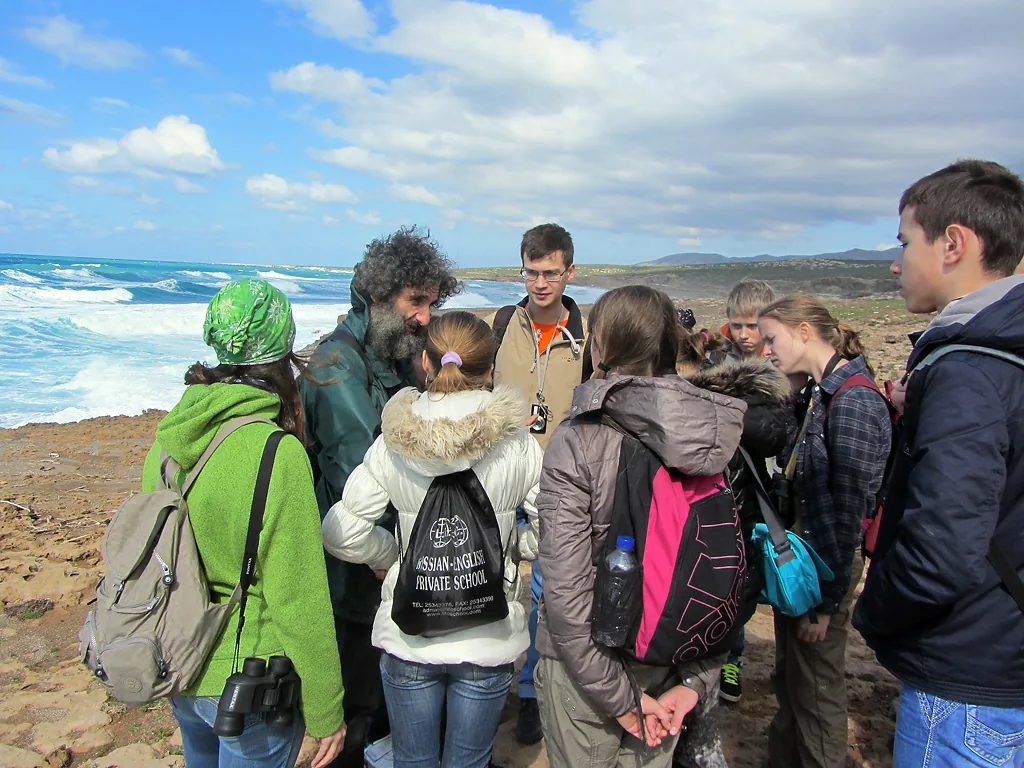
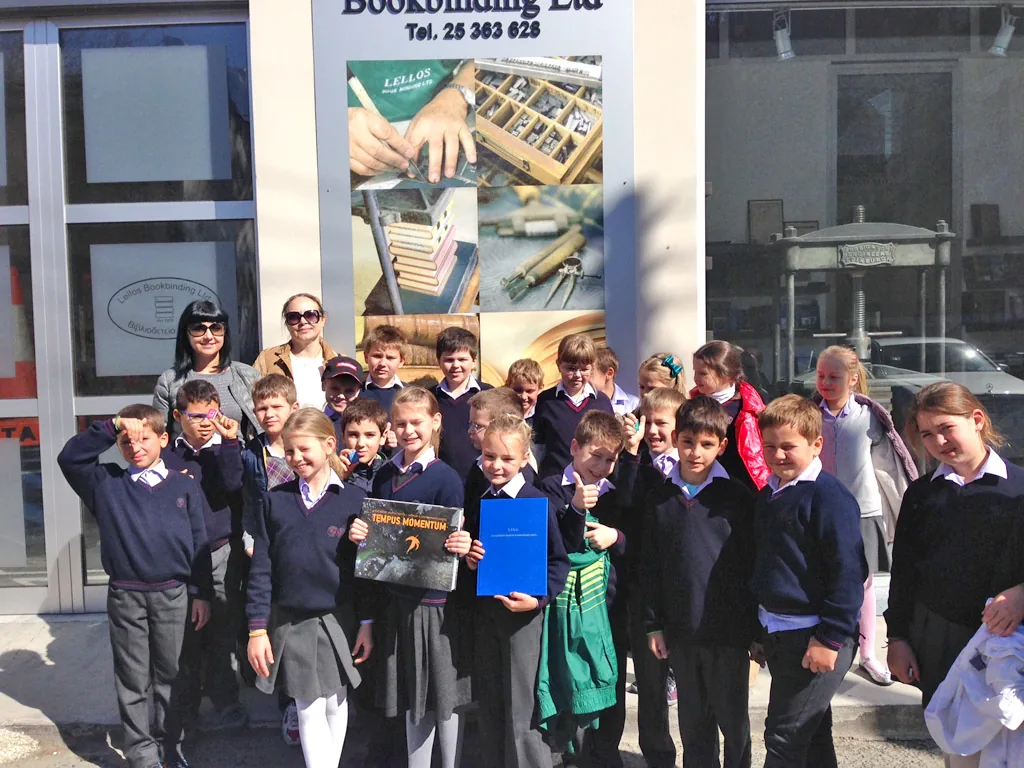
- 3 educational excursions;
- Subject Weeks: wall newspapers, presentations, academic competitions, and non-traditional lessons;
- ‘Christmas Fair’. Items and funds collected go to charity;
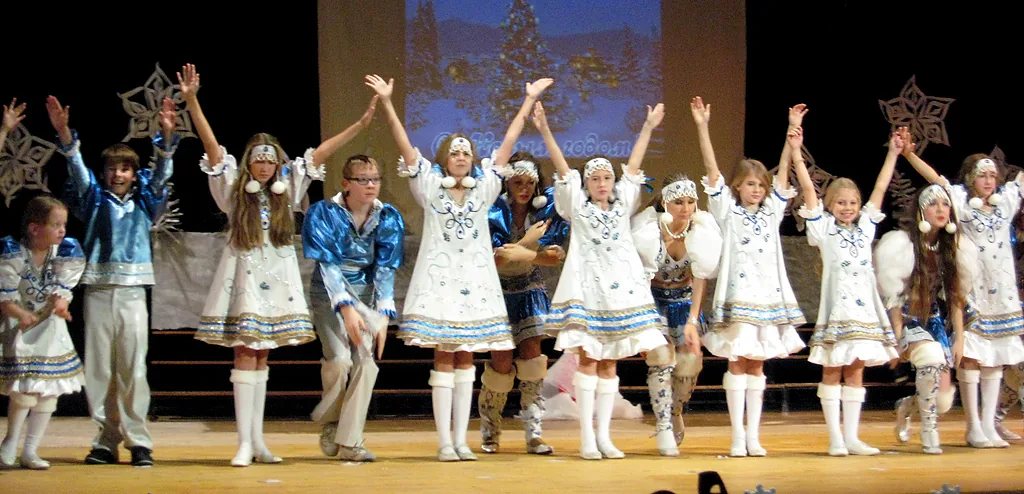
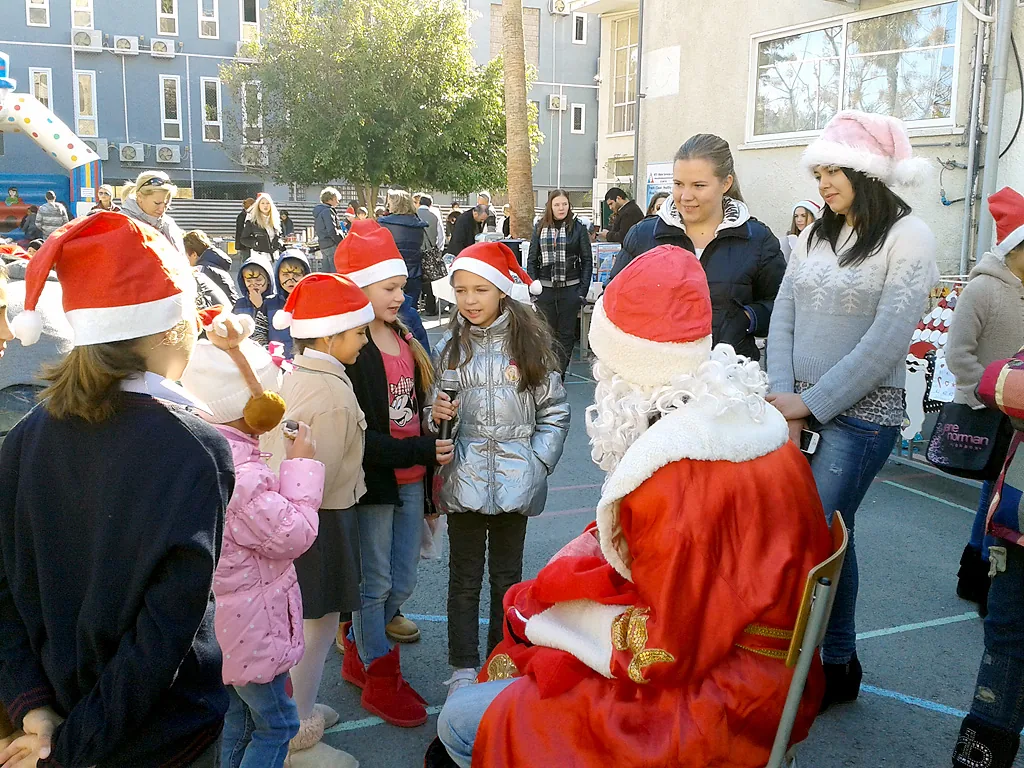
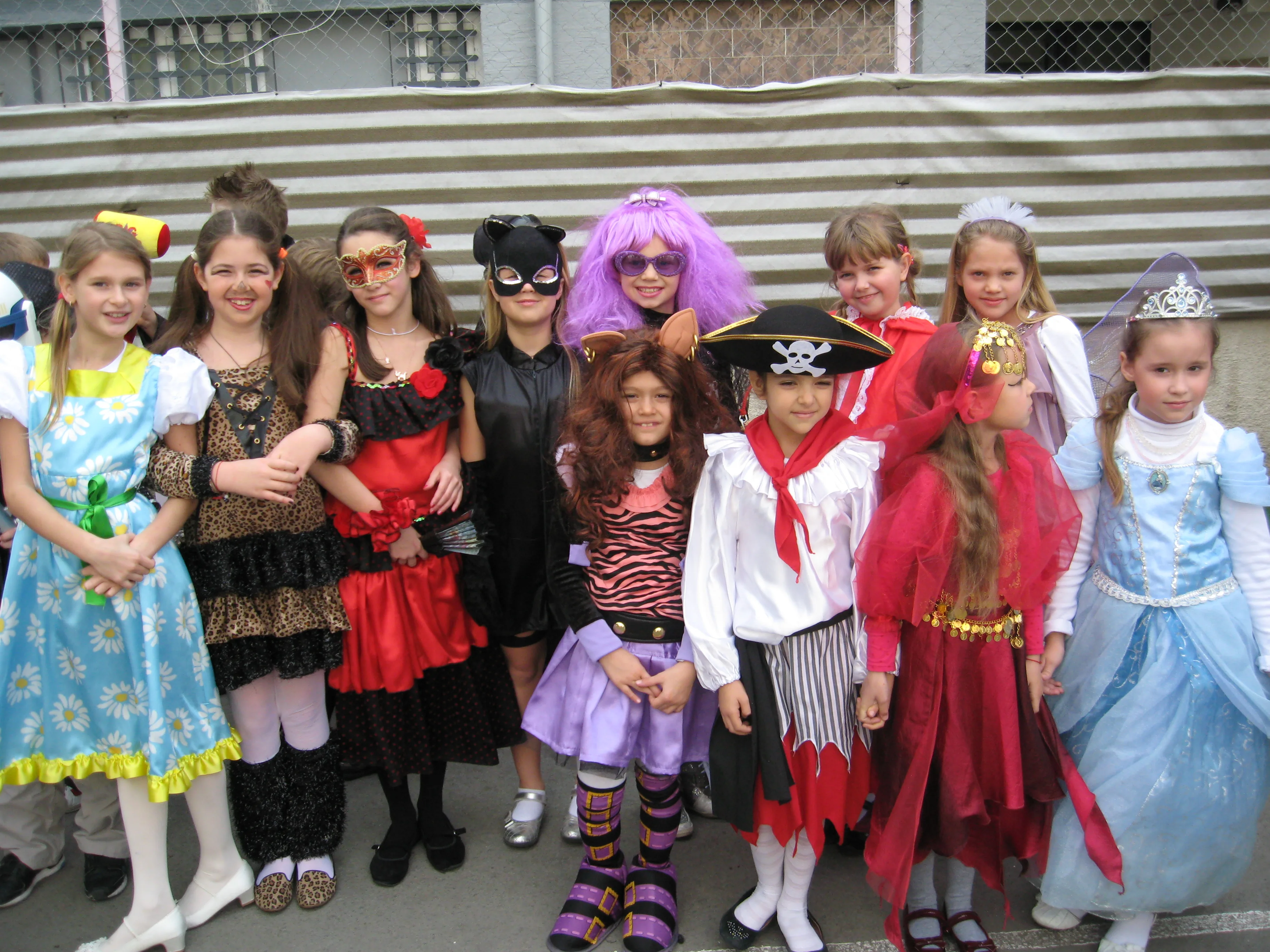
- New Year’s show, in which virtually the whole school takes part. Everyone is welcome;
- Talks with well-known figures;
- Themed talks featuring guest experts;
- The school’s Russian song ensemble ‘Rosinka’, which takes part in virtually all city-wide events and events held in other cities across Cyprus, helping to preserve and promote Russian traditions abroad;
- Pupils take part in competitions, sports days and tournaments, which helps to foster an active approach to life;
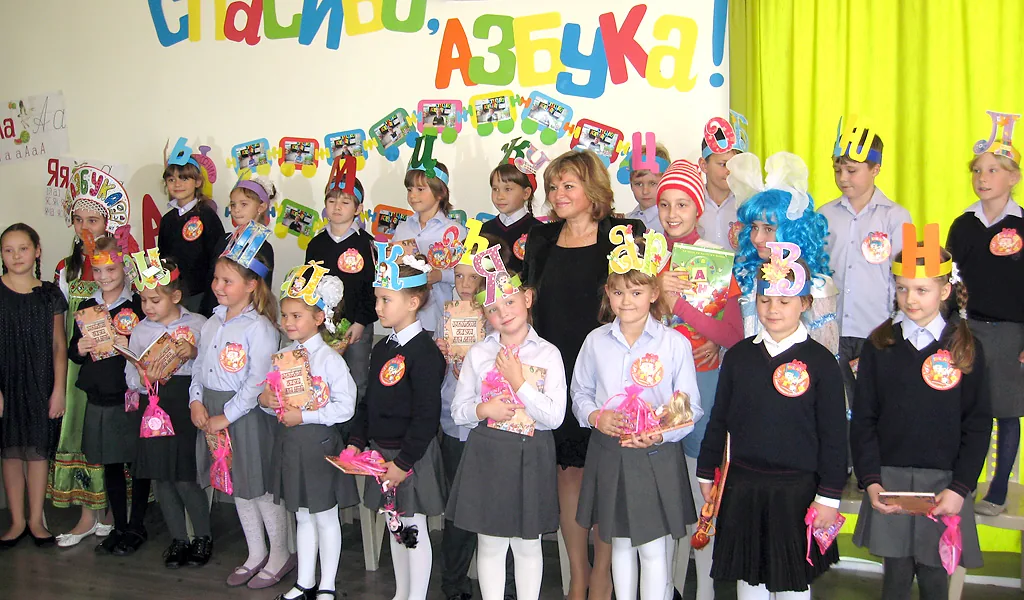
- In Year 1, a ‘Farewell to the Primer’ celebration is held;
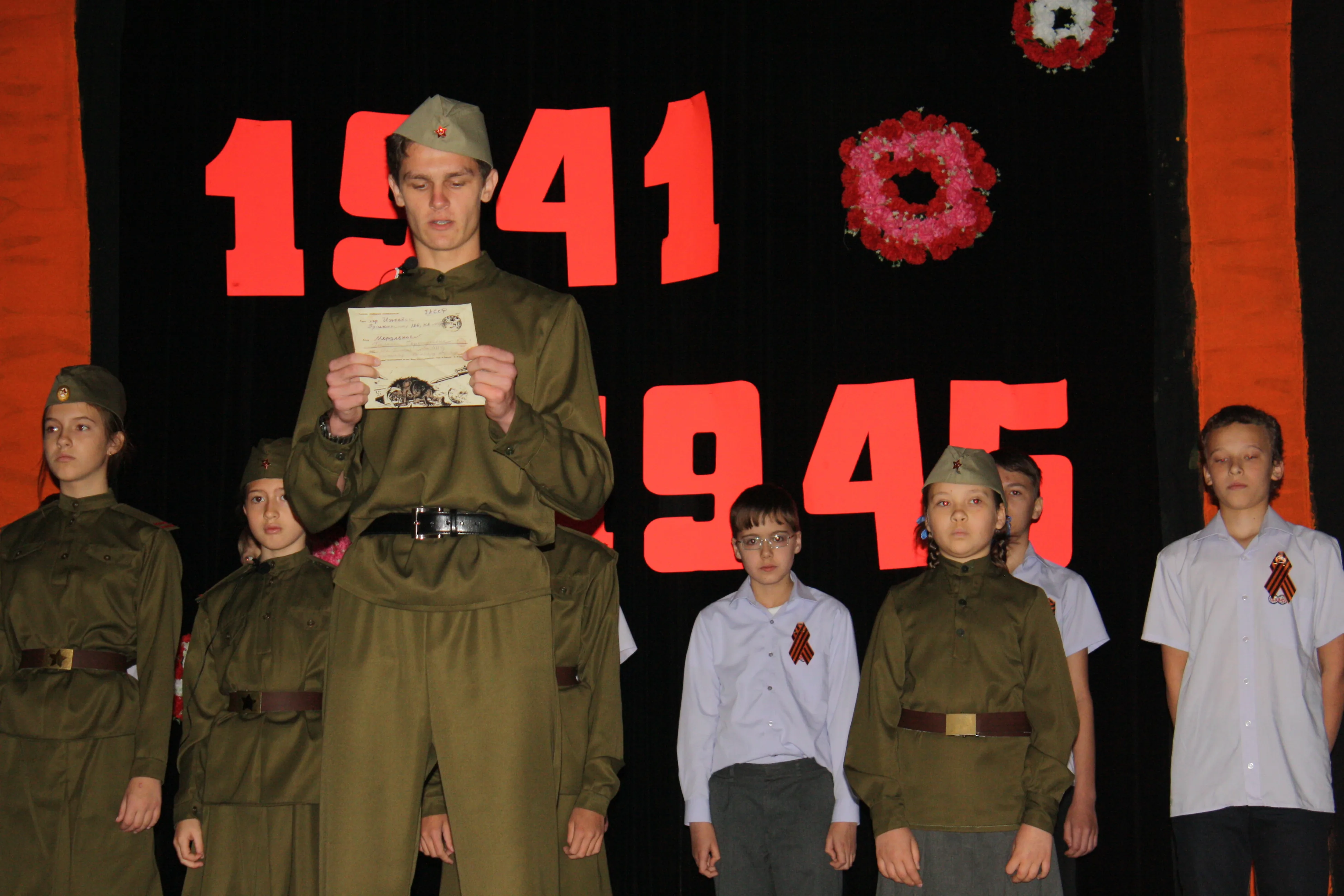
- On 9 May, a concert is organised to mark Victory Day. All year groups take part. Everyone is welcome to attend;
- The ‘Last Bell’, a tradition in Russian schools;
- Graduation in Year 4. Transition to secondary school;
- Graduation in Year 11. Presentation of school certificates.
Russian School in Cyprus
The school management’s primary aim is not only to provide children with an excellent education abroad, but also to preserve Russian traditions in Cyprus and to instil in children a love for Russia, Cyprus and other countries.
The Headteacher of L.I.T.C., Mrs Polina Ilia, and the Head of the school’s English Department, Mr Alberto Aparicio, are guided by three main criteria when selecting teaching staff: professionalism, the ability to pass on their knowledge and experience to pupils, and a love of children.
Getting to know L.I.T.C.
 Our introduction to L.I.T.C. began in the summer. Some friends of ours were on holiday in Cyprus. To ensure their child spent the holidays productively, they decided to enrol him in a summer camp. They chose a camp offering intensive English language study at the L.I.T.C. school. It’s no secret that children aren’t exactly keen to study during the summer holidays. On the first day, the child only went to lessons after some persuasion, but by the second day, Maxim was happily rushing off to his classes.
He was intrigued by the fact that the lessons were taught by native speakers in a playful way – something unusual for Russian children – and in a warm and friendly atmosphere.
The summer camp offering intensive English language study is organised by L.I.T.C. at the start of the holidays, running from early June to mid-August. Classes run from 09:00 to 13:00; during this time, the children have three English lessons and one IT lesson taught in English. In the IT lesson, the children are taught computer terminology and how to use various programmes.
Excursions for children
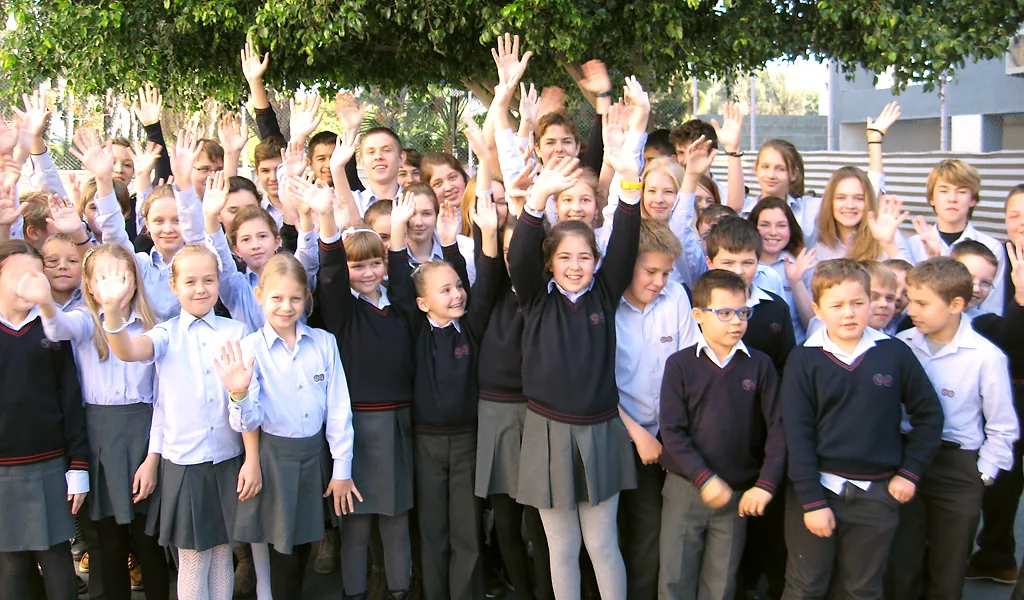 Once every two weeks, the children go on excursions. If desired, the school bus can be used for an additional fee.
Our friends, and especially their son, were very pleased with their time at the camp. But that wasn’t the end of our experience with L.I.T.C. When our friends moved to Cyprus permanently, they had no doubts about which school to choose. They enrolled their child at L.I.T.C. However, as they were moving in November, they were concerned about whether their child would be able to settle into the new class quickly, and how difficult it would be to study at a school with an intensive English programme. However, as the school year progressed, the child adapted very quickly: the summer courses and the welcoming atmosphere helped. Over the course of the school year, their command of English improved significantly.
Children’s clubs in Cyprus
 In our view, the school’s main advantage is its family atmosphere and the high level of professionalism demonstrated by both the teachers and the school administration. Another advantage is the small class sizes – no more than 20 pupils per class.
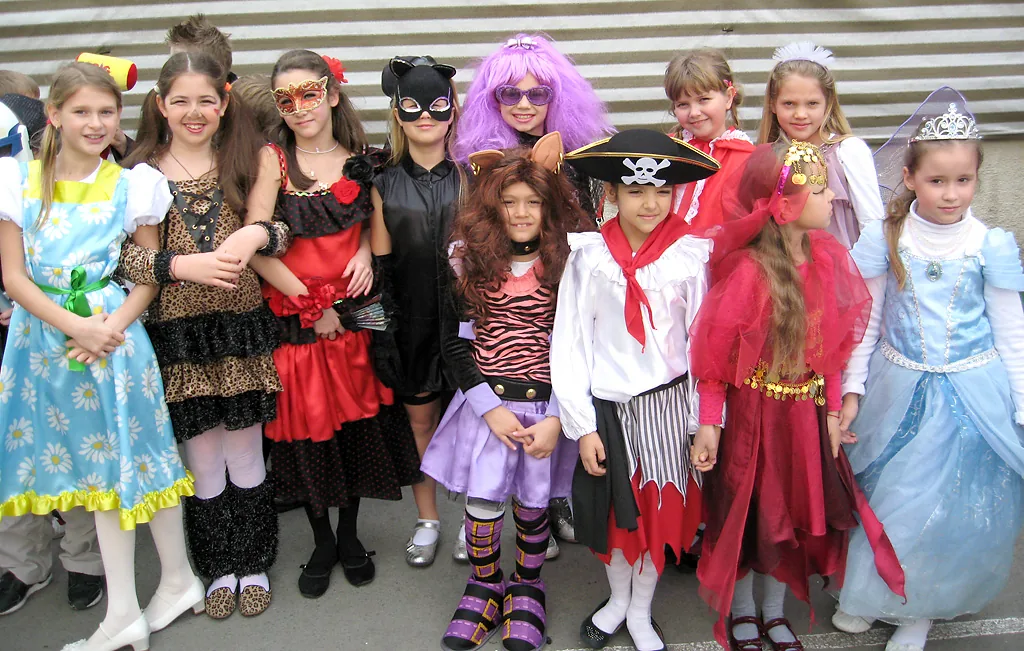
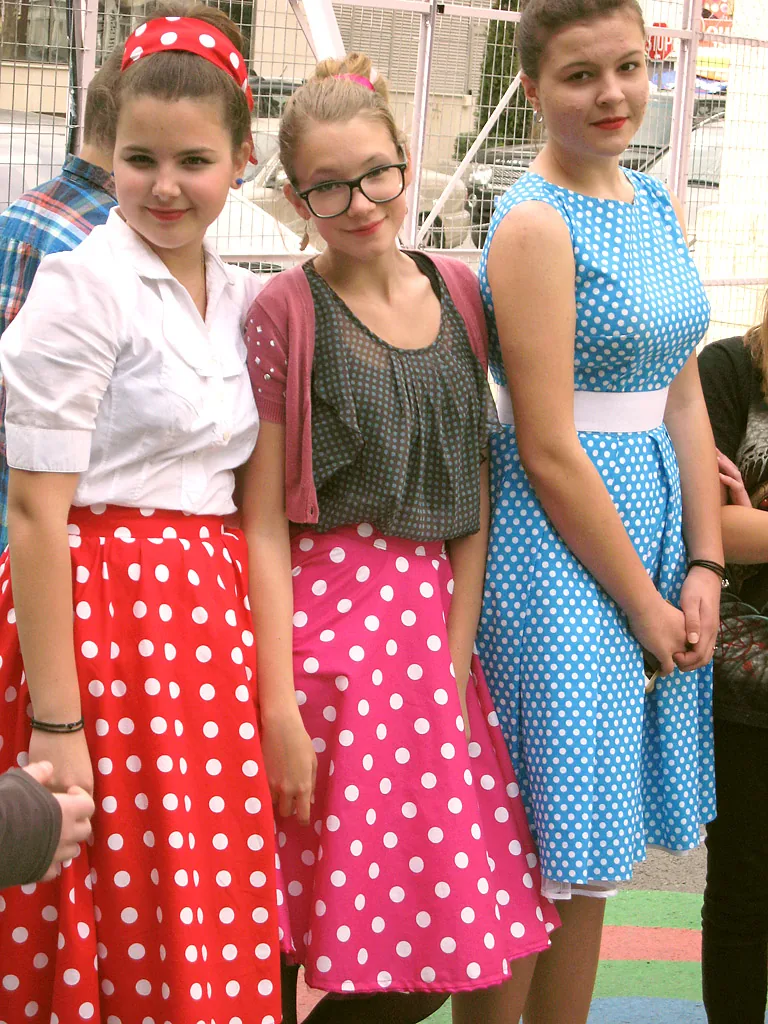
Throughout the year, the children not only study but also attend a variety of clubs and activities, go on excursions, and take part in events celebrating both Cypriot and Russian holidays (New Year, 8 March, Maslenitsa, 9 May and others).
We were particularly impressed by the New Year’s celebration, in which almost the entire school took part. Following the event, the school management organises an annual raffle in which everyone present takes part. And the number of prizes raffled off by the school – which include hotel weekends, family dinners at restaurants and school fees – is such that no one leaves without at least a small prize. Another memorable highlight was the concert dedicated to 9 May.
It is remarkable how reverently the school treats historical memory. No one in the hall remained unmoved by what was happening on stage. And to round off the celebrations, everyone joined in to sing ‘Victory Day’. At the end of the school year, the school management, together with the parents, organises celebrations for the leavers.
We haven’t yet taken an active part in the senior school graduation celebrations, but for the children finishing primary school, a wonderful graduation event was organised both at the school itself and as an outing to a country club. What else do Year 4 pupils—who are moving on to secondary school but are still young and mischievous—need? Exactly one week before this event, a ‘conspiracy’ was hatched in Year 4 on the theme: ‘How can we persuade our favourite teacher to move up to Year 5 with us?’.
As for the Year 11 pupils’ attitude towards their teachers, the fact that most of the children had tears in their eyes during the ‘Last Bell’ ceremony speaks volumes. Perhaps the most important thing for parents is to feel that their children are happy. Guided by this principle, for 18 years now, the teachers at L.I.T.C. have been tirelessly teaching their pupils ‘what is wise, good and timeless’.