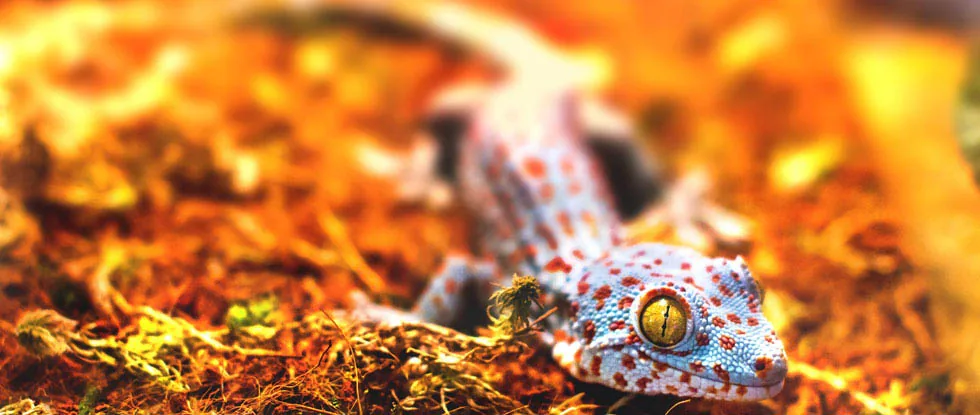
Service description
The domestication of wild animals, birds and mammals began as far back as the Stone Age (10–15 thousand years ago). Humans domesticated the ancestors of dogs, sheep, goats, cows, pigs, horses, cats, chickens and many other members of the animal kingdom.
Experiments in domesticating animals continue to this day. Keeping unusual and exotic pets in a house or flat has become a fashionable trend; however, in pursuing this trend, people must not forget that pets unaccustomed to domestic conditions require daily attention and proper care.
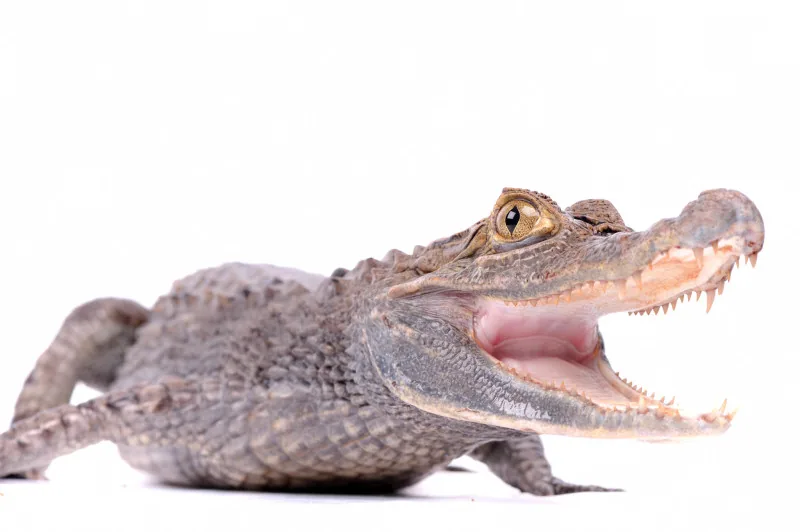 Unusual pets include:
- wolves;
- foxes;
- tigers;
- ferrets;
- monkeys;
- snails;
- iguanas;
- spiders;
- anteaters;
- snakes;
- crocodiles and many other animals, reptiles and insects.
Just like any other pet kept at home, they need individual care and attention.
Caring for ferrets
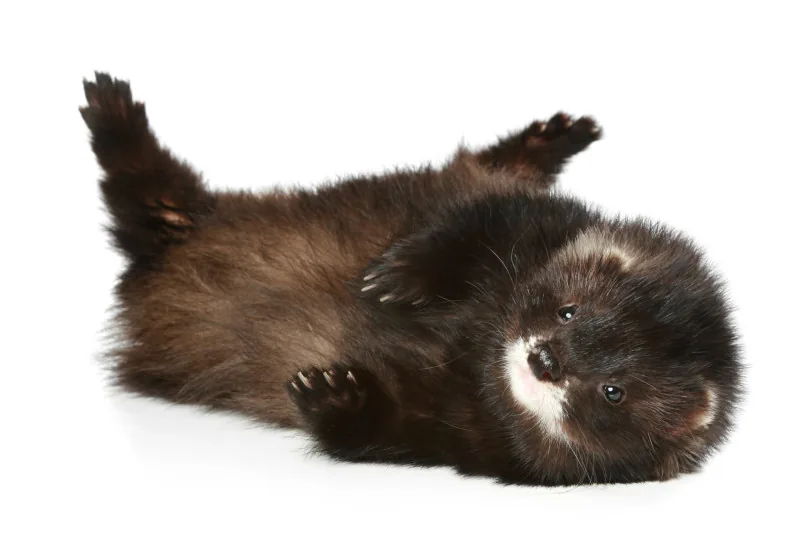 When planning a home for a ferret, it is important to think through all the details carefully and create the most comfortable and safe living conditions possible for it. The animal must have a place to sleep and play. A spacious cage or house fitted with an imitation burrow, where it can retreat, is ideal for this; you should also provide a litter tray, a food bowl, a water bowl and plenty of toys.
Ferrets are very curious, so when letting your pet out to roam freely, you must ensure in advance that all windows and doors in your flat or house are closed, and that there are no fragile or small objects which the animal, following its natural instincts, might damage or hide in any cracks or holes — so-called hiding places. It is also advisable to remove houseplants (especially poisonous ones) and any cables from windowsills and the floor.
As for their diet, dry food (for cats or specifically for ferrets) is suitable, as are raw meat, minced meat, vegetables and fruit. Ferrets eat frequently, but in small portions.
Ferrets are very clean animals; regular grooming – washing and trimming their claws – will keep them looking healthy and well-groomed. And, of course, don’t forget about vaccinations and visits to the vet.
By ensuring your pet leads a healthy and fulfilling life, you are giving it the love and care it needs.
Caring for a chinchilla
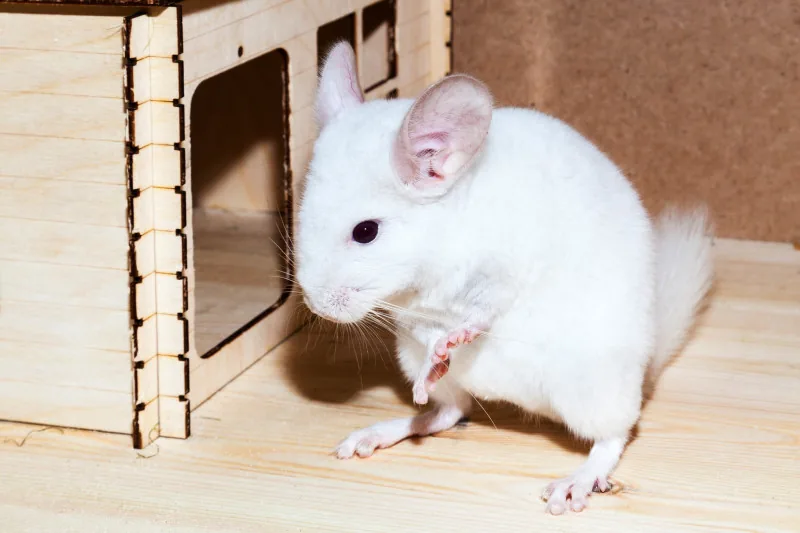 For this fluffy little creature with its valuable fur, life in the wild is a constant struggle for survival. That is why people who decide to keep a chinchilla try to create conditions for it in which it will feel completely safe.
Chinchillas cannot tolerate heat, so the temperature in their cage – which serves as their permanent home and refuge – must be kept below +20°C. It is best to use sawdust as bedding and to change it frequently as required. The cage should also contain a little house, wooden shelves, a wheel or ladders for play, a hanging water bottle and food bowl, as well as a piece of chalk for gnawing on to wear down their teeth. In such living conditions, your pet can enjoy a long life and have offspring.
Sand baths help to keep your chinchilla looking neat and healthy. Special sand for these ‘baths’ is sold in pet shops. You’ll also find everything you need for a balanced diet there. A chinchilla’s diet consists of pellet feed and hay, but nuts, seeds and fruit should not be overfed; they should be given in small portions as treats.
When letting your pet out of its cage, bear in mind that it will most likely try to gnaw on wires or look for hiding places. Life for a chinchilla outside its cage is just as ‘dangerous’ as it is in the wild.
Caring for snails
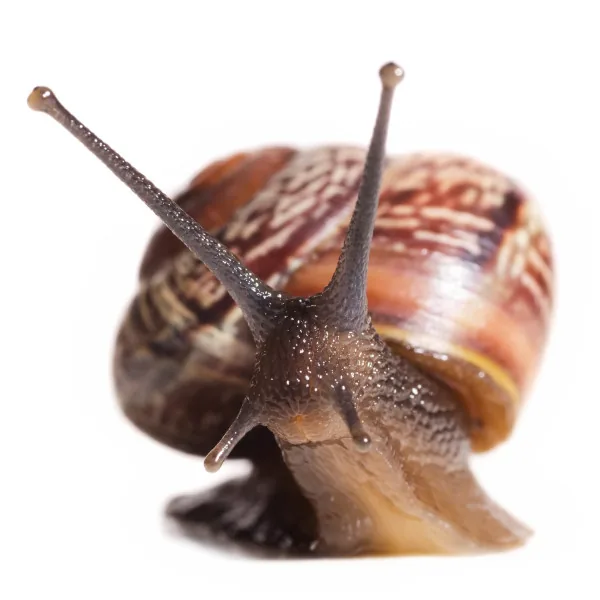 This is perhaps one of the least demanding pets on the list of unusual animals. A terrarium serves as a habitat for snails. The temperature inside must be maintained at up to +25°C, and humidity is regulated by spraying water, which is absorbed by the substrate and thus ensures it remains moist. The substrate is changed as it becomes soiled, whilst the terrarium requires daily cleaning.
Snails have a very varied diet: they feed on vegetables, fruit and greens, as well as grain mixes, boiled eggs and chicken, crushed eggshells and chalk, which contain the calcium necessary for the strength of their shells.
Snails love water, so they really enjoy bath time. You can bathe your pet under a warm tap, and clean its shell with a soft sponge without using any cleaning products.
Such calm and low-maintenance pets can safely be left at home on their own. They will cope well with their owner’s absence, even for a long period of time. Before going on holiday or a business trip, you can move the terrarium to a cooler spot and stop feeding the snails. This will cause them to go into hibernation, and they’ll wake up as soon as their usual living conditions are restored.
Caring for snakes
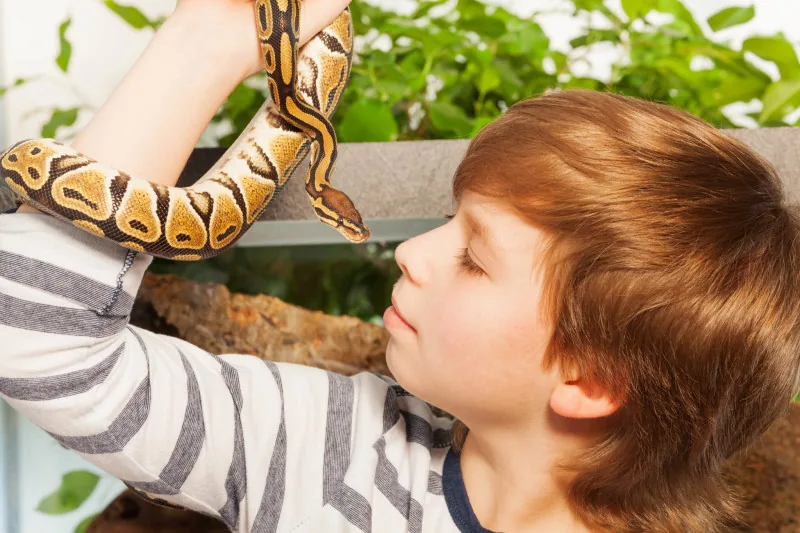 Unlike snails, snakes do not hibernate whilst their owners are away for long periods. At the very least, one other family member should know how to feed the pet and not be afraid to handle it.
Snakes live in terrariums, which must contain artificial lighting, a water dish, a heated mat, a thermometer, a hygrometer, hiding places and branches.
These reptiles feed on small rodents, so people who are particularly easily distressed should not keep a snake as a pet. To feed it, you must carefully remove the snake from the terrarium and place it in a box containing a mouse. An adult snake eats one mouse every 7–14 days.
To ensure a comfortable and healthy life in the terrarium, you must keep it clean, change the water as often as possible, and, most importantly, avoid disturbing or annoying the snake if it is hiding in its shelter.
Caring for spiders
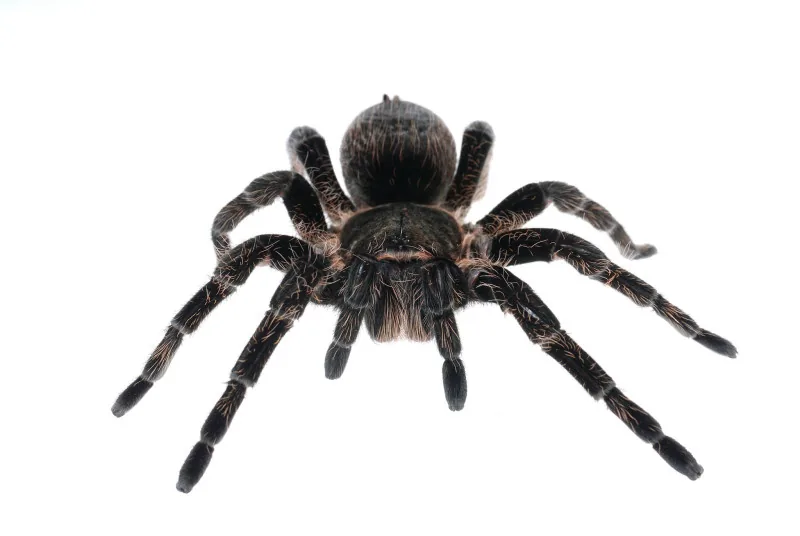 Spiders are also popular pets which, with proper care, can live a long life.
They are also kept in a terrarium in a house or flat, where the temperature must be maintained constantly between +25°C and +27°C. There should always be a small container of water or damp moss in the terrarium to ensure sufficient humidity.
The amount of food required depends on the size of the spider. These predatory arachnids will catch anything that moves. Their diet consists of cockroaches, grasshoppers, flies and crickets. Larger spiders prefer frogs and mice. You can stock up on all of these in advance, especially as pet shops stock everything you need for feeding exotic animals.
If you find that any of the requirements for looking after unusual animals are beyond your capabilities, do not condemn exotic animals to potential suffering. Reconsider your priorities and give your love and care to pets that need it and are used to living in a home environment.


