Service description
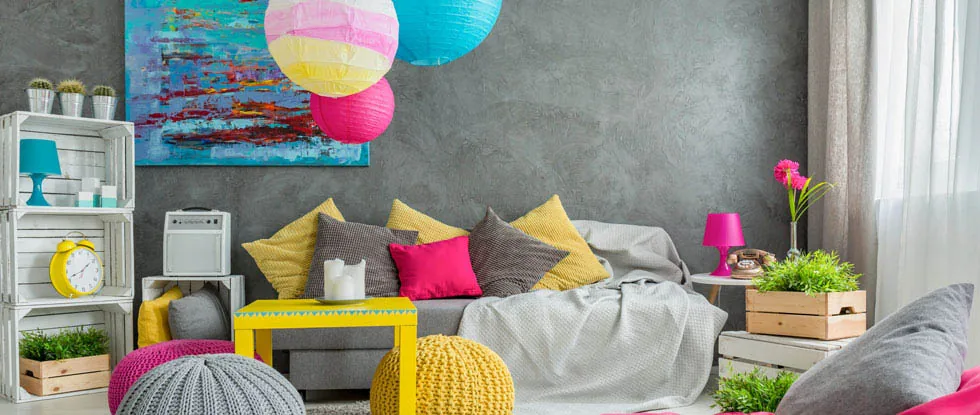
Our home is our castle. And everything in it is, in a way, a reflection of our mood, personality and style. In other words, we create an interior in which we feel cosy and comfortable. And if you feel like making a change in your life, it’s worth starting with your home environment.
Whether with the help of professionals or on your own, you can radically change your interior design by taking into account a number of important details that will help transform any room in your house or flat.
The importance of lighting in design
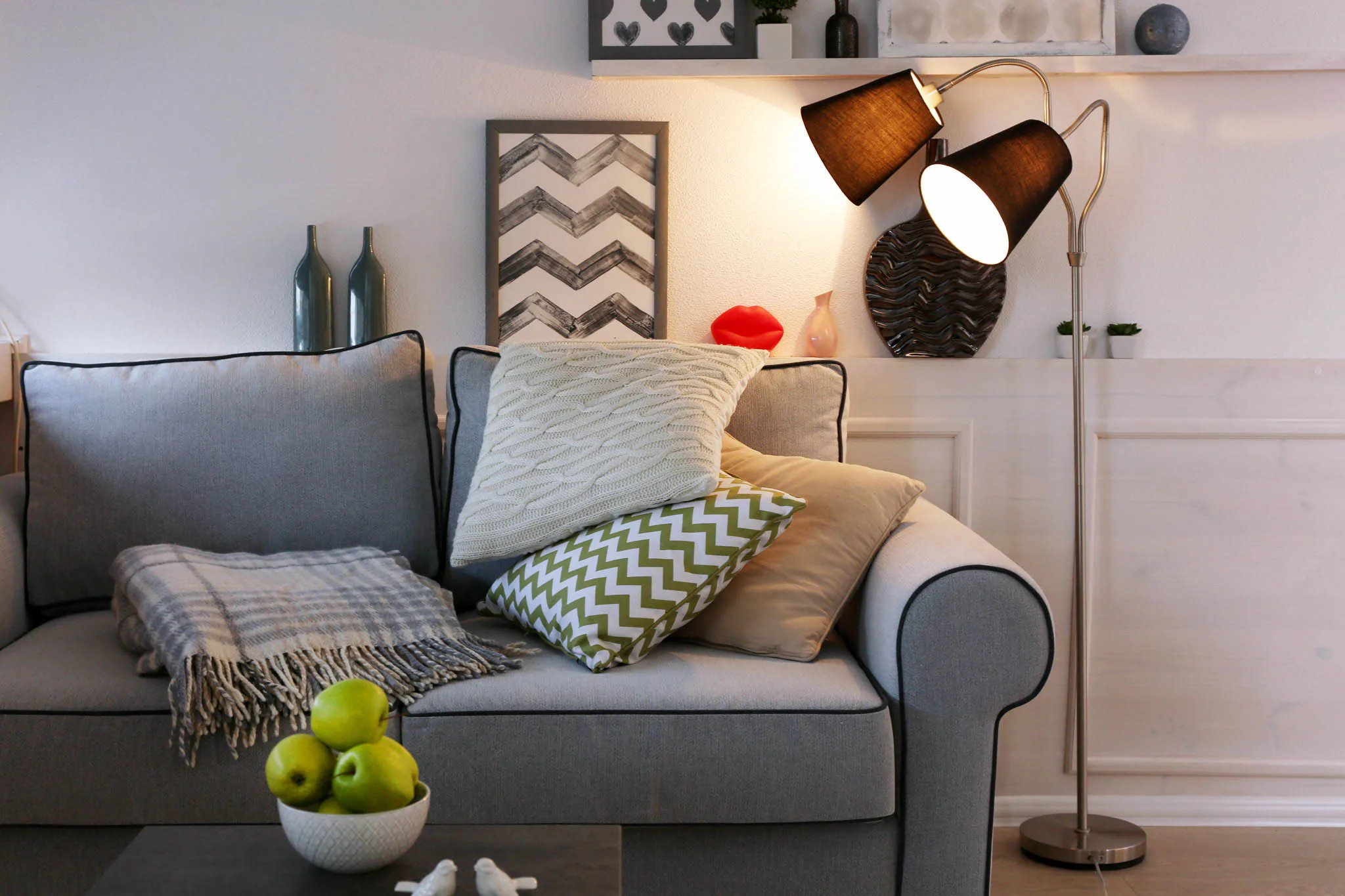 You can achieve a pleasant and comfortable atmosphere in your house or flat through lighting. A variety of light fittings can make a small flat appear more spacious and also compensate for a lack of light in a large house.
Main types of lighting fixtures:
- ceiling lights — chandeliers for the bedroom, living room, hall, kitchen, children’s room and study;
- ceiling spotlights — small lights for the bathroom, hallway, children’s room, entrance hall, kitchen and bedroom;
- recessed lights, which can be fitted into ceilings, furniture, floors and walls in the living room, dining room, bedroom, bathroom, hall and kitchen;
- wall lights — wall sconces for the hall, bedroom, living room, children’s room, study and bathroom;
- table lamps — lamps that are placed on a table or bedside tables in bedrooms and studies;
- floor lamps — floor lamps with open, closed or semi-closed shades;
- pendant lights — single-bulb lights for the kitchen, hallway, bedroom or children’s room.
When choosing lighting fixtures, it is important to consider the functional requirements of each room, the ceiling height, energy consumption and the brightness of the lighting.
For example, warm lighting is best suited to bedrooms and living rooms, whilst cool lighting is better for kitchens and bathrooms.
Organising your space
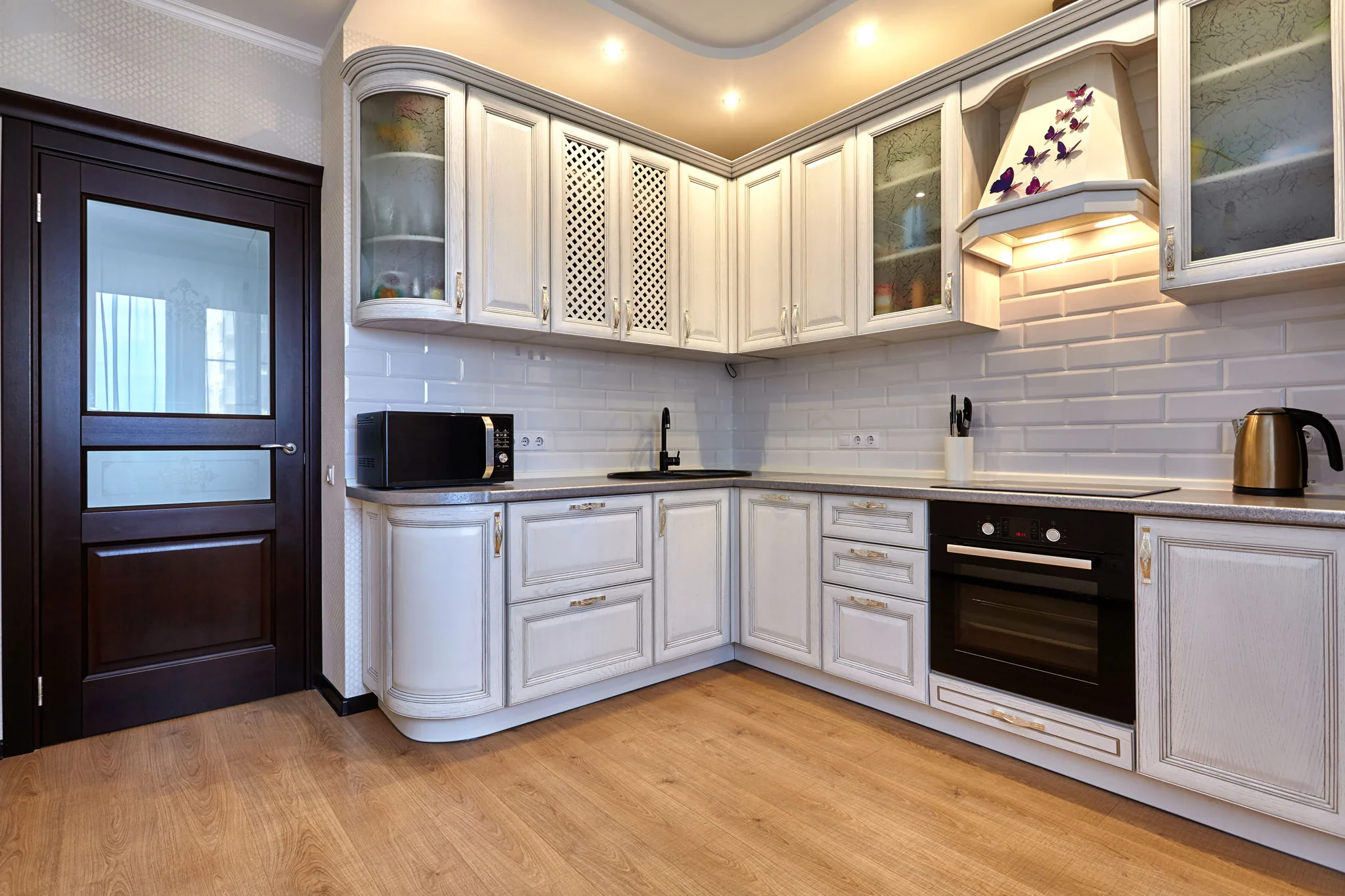 You can organise the space in your house or flat without a design plan or structural alterations, simply by using functional furniture and arranging your belongings sensibly.
- Kitchen
In any kitchen, a fitted kitchen unit handles this task. It combines a work area for cooking (worktop, hob, sink) with a large number of cupboards, shelves and drawers where you can store crockery, various kitchen utensils and household appliances.
When planning the layout of a small kitchen, it’s important to make practical use of every available metre, the walls and the cupboards. Especially as there are plenty of accessories available (wall-mounted shelves, railings, hooks, magnetic holders) that can be adapted for cutlery, jars, oven gloves and other kitchen essentials.
- Living room
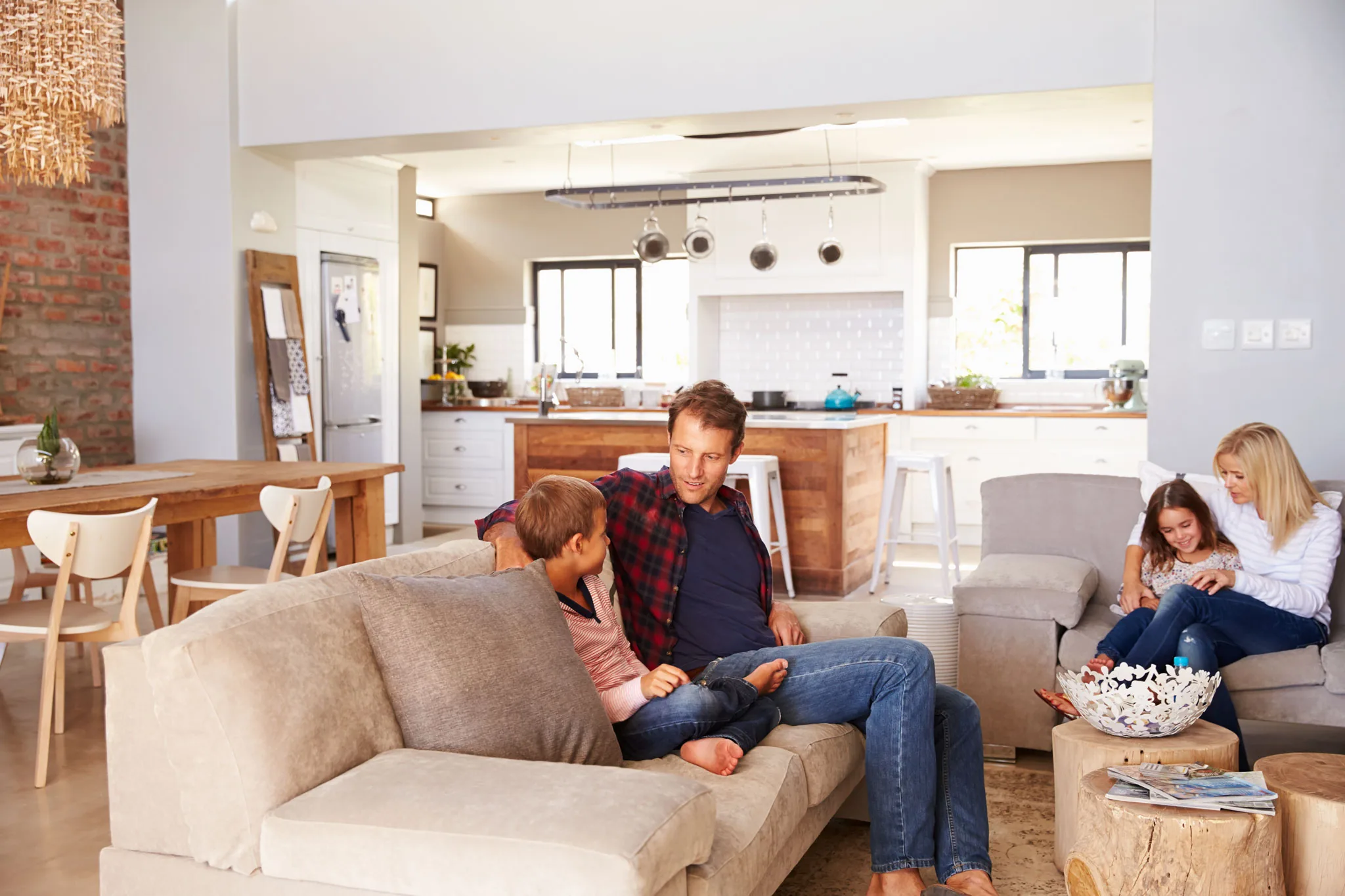 Large pieces of furniture (sofas, armchairs, a coffee table, bookshelves and much more) and a variety of colourful accessories for decorating the interior (photographs, paintings, curtains, vases with flowers, etc.).
In a small living room, functional, compact furniture with minimal decoration is appropriate. To make the room appear larger, the walls and floors of a small living room should preferably be in light colours. A mirror or mirrored furniture surfaces will also help to visually expand the space.
- Bedroom
This is, first and foremost, a place for rest and sleep. Therefore, when planning the interior of a bedroom, it is important to clear the space of anything superfluous and make effective use of it for comfortable and spacious furniture — a bed (including one with built-in drawers), a wardrobe, a chest of drawers (or a bedside bench) and bedside tables.
- Bathroom
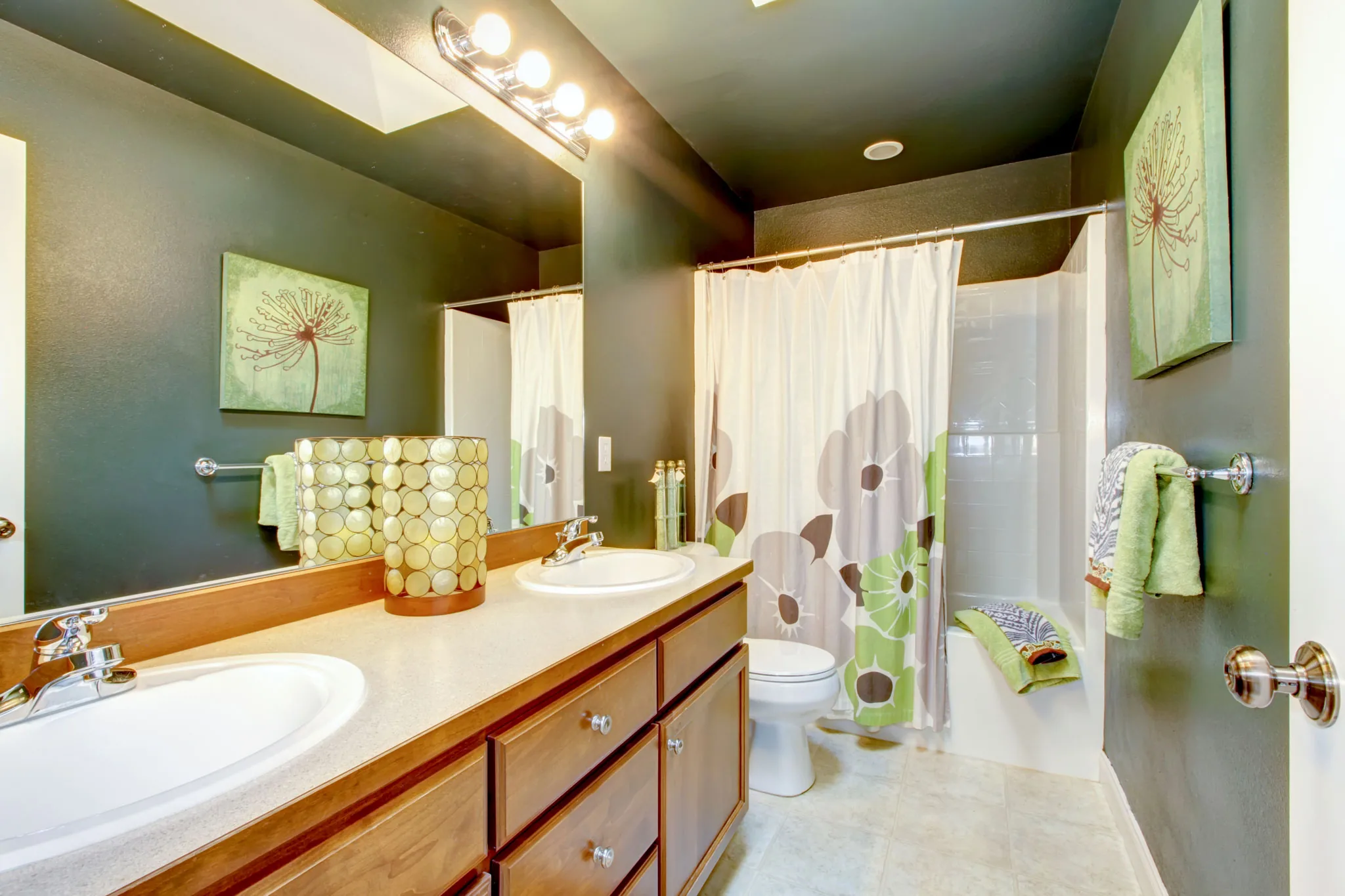 This room requires special organisation of the space. If the flat or house lacks utility rooms, the bathroom becomes both a place where we get ready and where we store washing and cleaning products.
To prevent the bathroom from looking like a storeroom, you need to make the most efficient use of its space and organise storage areas for personal hygiene and household cleaning products. Good options for this include fitting additional shelves above the bath and shelving units where you can place various containers for toiletries or baskets for towels.
Choosing the right furniture
When choosing furniture, the main criteria are quality, comfort and durability. Oak and ash are considered premium, robust and long-lasting materials for wooden furniture. When selecting upholstered furniture, it is not only the shape that matters, but also the filling, which comes in varying degrees of firmness.
For those who value originality and a unique interior design, bespoke furniture is the ideal choice, as it will be crafted to meet all your preferences and requirements.
Details and accessories
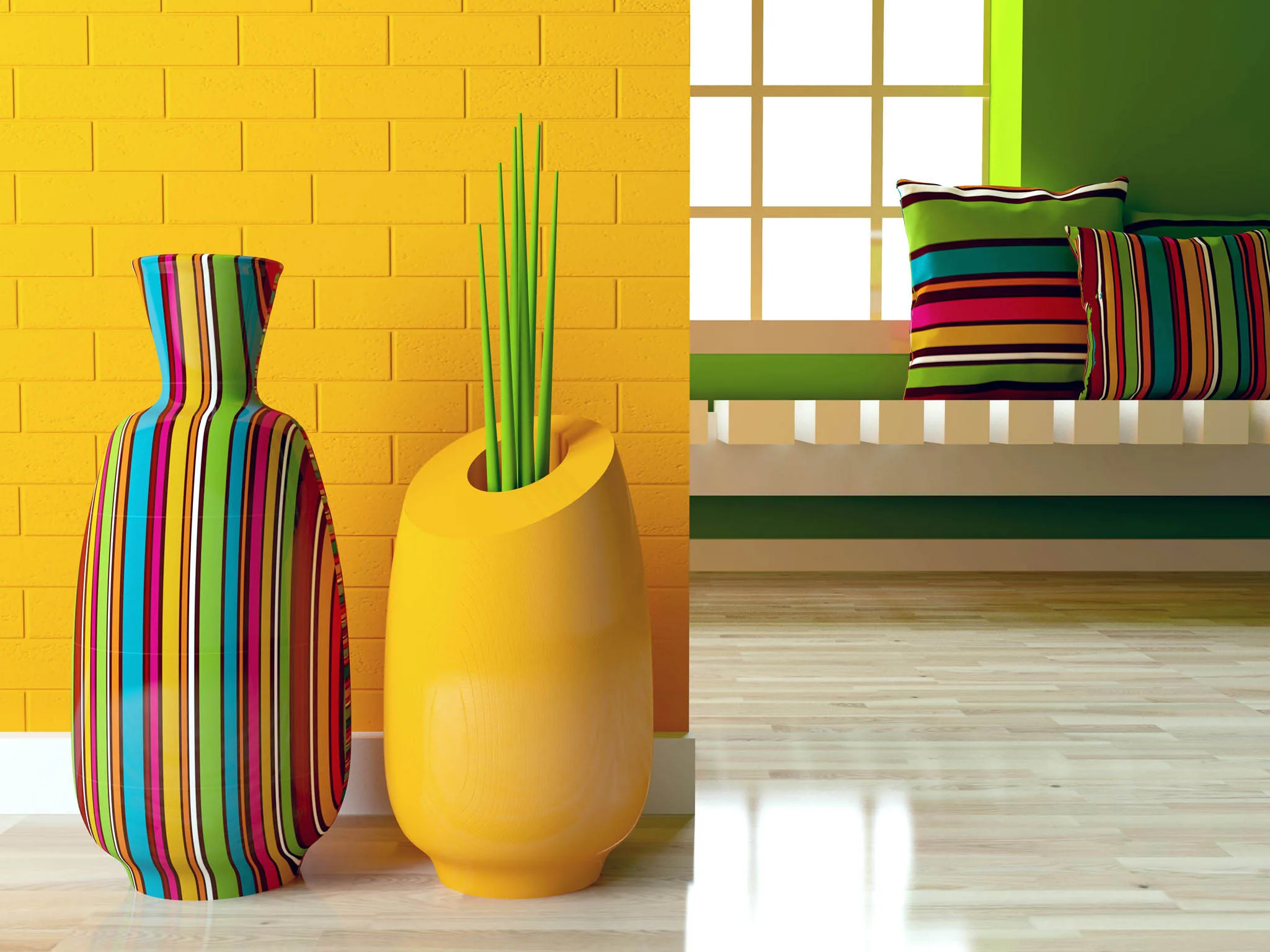 The artistic arrangement of decorative elements and accessories is the final stage in transforming your home’s interior.
With the help of striking details, the interior takes on a cohesive look, becoming vibrant and interesting. Such important details as the following are true highlights of any interior:
- vases;
- paintings;
- clocks;
- mirrors;
- cushions;
- curtains;
- lamps;
- figurines and much more.
Each of these items plays an important role in interior design and can completely transform a space. If you wish, you can always change your accessories to breathe new life into your home.
Houseplants
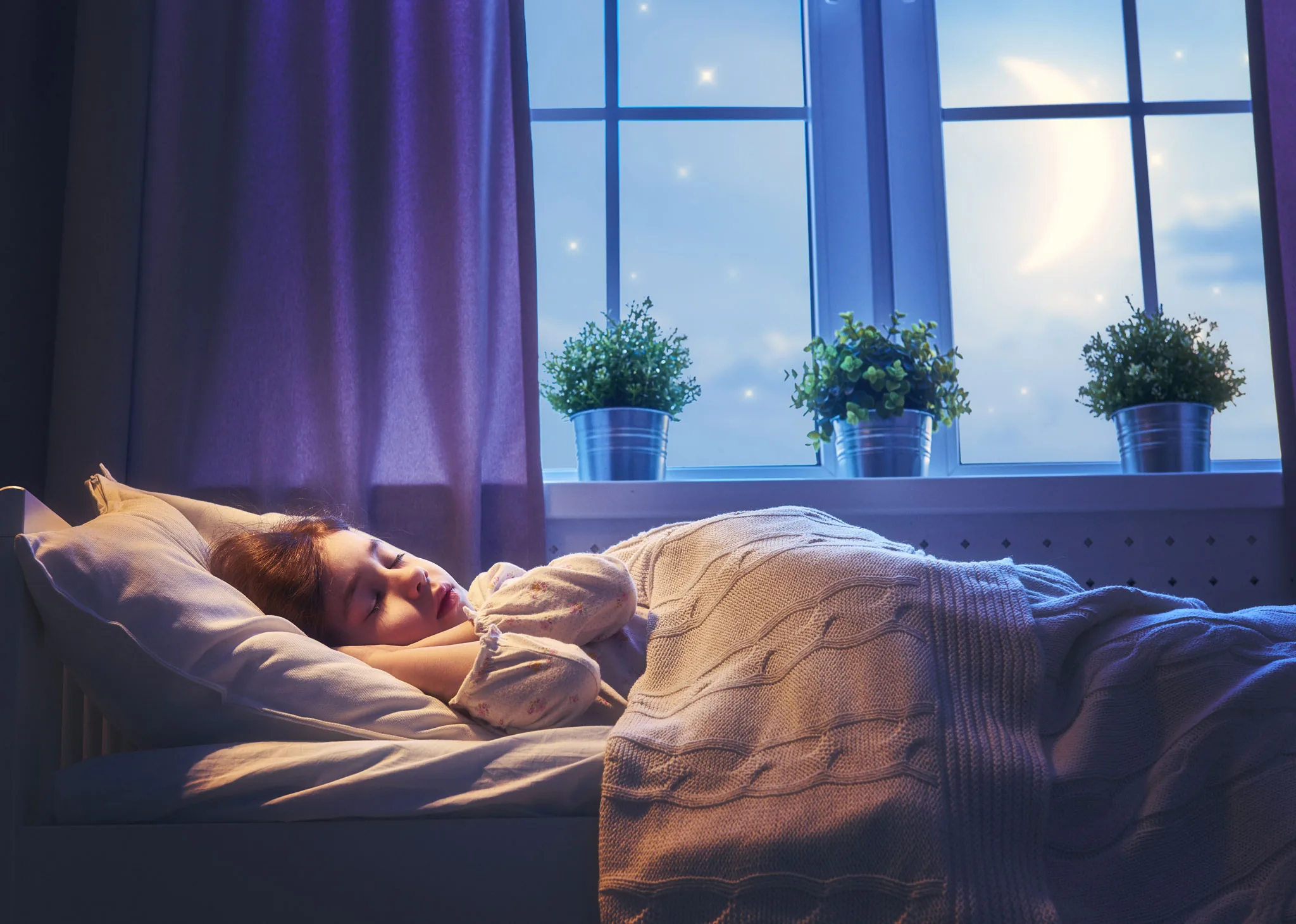 The secret to creating a cosy atmosphere in a house or flat also lies in decorating the rooms with houseplants. Incorporating live plants into your interior design serves several purposes at once: it creates a sense of calm and tranquillity, reduces eye strain and increases humidity.
Houseplants can be used to decorate absolutely any space.
On the kitchen windowsill, you can place not only potted flowers but also herbs grown in trays — dill, parsley, mint, etc.
Larger plants — such as palms, ficus and dracaena — will look great in attractive planters in the living room (or lounge). Cupboards and shelving units can be decorated with climbing plants.
In the bedroom (or children’s room), there should be a minimal number of plants, preferably scentless ones, so as not to interfere with a good night’s sleep.
Those with spacious hallways and bathrooms can also use flowers to decorate the available space. As the lighting in these rooms is often artificial, shade-tolerant, low-growing and large-leaved plants are suitable.


