EU leaders criticise official support at Ratko Mladić funeral in Belgrade
European Commission President Ursula von der Leyen said the funeral turnout and official support could undermine Serbia’s EU accession path.
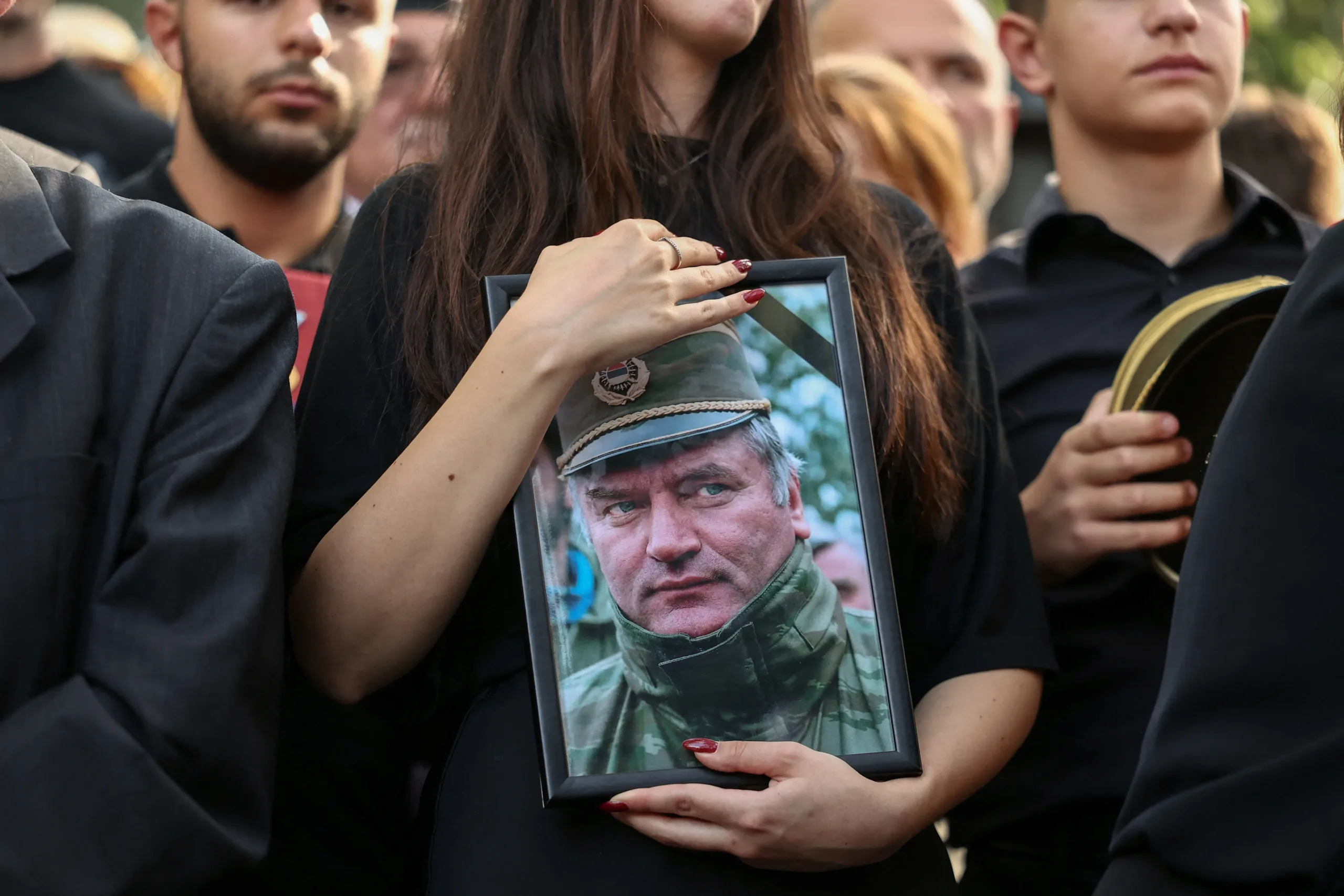
Belgrade, Serbia. European Commission President Ursula von der Leyen said on Tuesday that images of the large turnout at the funeral of convicted war criminal Ratko Mladić were “shocking” and could undermine Serbia’s plans to join the European Union. European Council President Antonio Costa echoed her comments.
EU criticism
“The images from Ratko Mladić’s funeral yesterday in Belgrade were shocking,” von der Leyen wrote on X.
She said elements of official support and the presence of senior Serbian officials at the funeral were “deeply regrettable”.
“They demonstrate a failure to confront a dark chapter in Europe’s recent history and contradict the values underpinning Serbia’s path towards the European Union,” von der Leyen added.
Funeral turnout
Thousands of people gathered in Belgrade on Monday for the funeral of Mladić, who died last week while serving a life sentence for genocide, war crimes and crimes against humanity.
Crowds carrying Serbian flags and photographs of Mladić wearing a traditional Serbian military cap gathered outside a church in a Belgrade suburb, where Serbian Patriarch Porfirije, head of the country’s Orthodox church, presided over the service.
Mladić’s coffin, surrounded by armed soldiers in fatigues and accompanied by a brass band, was paraded through streets lined with onlookers chanting his name. He was buried at a nearby cemetery next to his daughter, who died in 1994.
Legacy of the Balkan conflicts
The funeral was among the largest public funerals in Serbia since the fall of communism in 1990, highlighting the extent to which Mladić remains revered among many in Serbia and Bosnia’s autonomous Serb Republic despite his convictions related to the 1995 Srebrenica massacre and the siege of Sarajevo.
“He is a hero,” Djordje, a 34-year-old man who travelled from Prijepolje to pay his respects, said. “He was a great military strategist.”
Mladić’s death stirred strong feelings linked to the break-up of Yugoslavia and the ethnic conflicts that followed in the Balkans.
This news item was generated automatically by Cyprus Inform from publicly available materials. Report an error →