


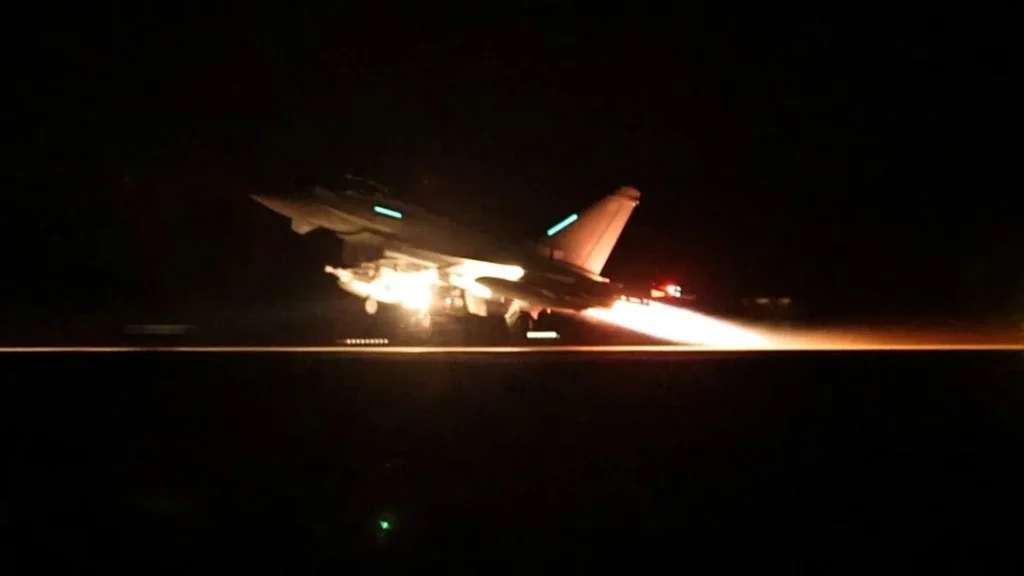
Nicosia, Cyprus. A suspected drone attack linked to pro-Iranian forces on the British RAF base at Akrotiri in early March 2026 caused minor damage and no casualties. The incident has renewed debate in Cyprus over whether Britain’s military presence on the island could increase its exposure to regional security threats.
Britain’s long-standing presence
Britain has maintained a military presence in Cyprus for decades. The RAF base at Akrotiri was established in the mid-1950s and remains one of the UK’s most important overseas air stations.
The base is located within the British Sovereign Base Areas of Akrotiri and Dhekelia, which remained under British control after Cyprus gained independence in 1960. These territories allow the UK to keep a permanent military footprint in the eastern Mediterranean.
Strategic role in the region
Over the years, RAF Akrotiri has supported a range of operations, including the Suez Crisis in the 1950s, NATO operations in Libya in 2011, and air campaigns against extremist groups in Iraq and Syria.
Because of its location near the Middle East, the base has often been described as a strategic launch pad for military and humanitarian operations in the region. Cyprus sits at the crossroads of Europe, the Middle East and North Africa, giving it added value for military planning and surveillance.
Functions of RAF Akrotiri
RAF Akrotiri serves as a forward operating base for aircraft, intelligence gathering and logistics across the region. It is also home to thousands of British personnel and their families and regularly hosts fighter jets and surveillance aircraft.