Democrat Abdul El-Sayed wins Michigan Senate seat, becoming first Muslim elected to the chamber
Media projections show Abdul El-Sayed winning Michigan's open Senate race, keeping the seat in Democratic hands and making history as the first Muslim senator.
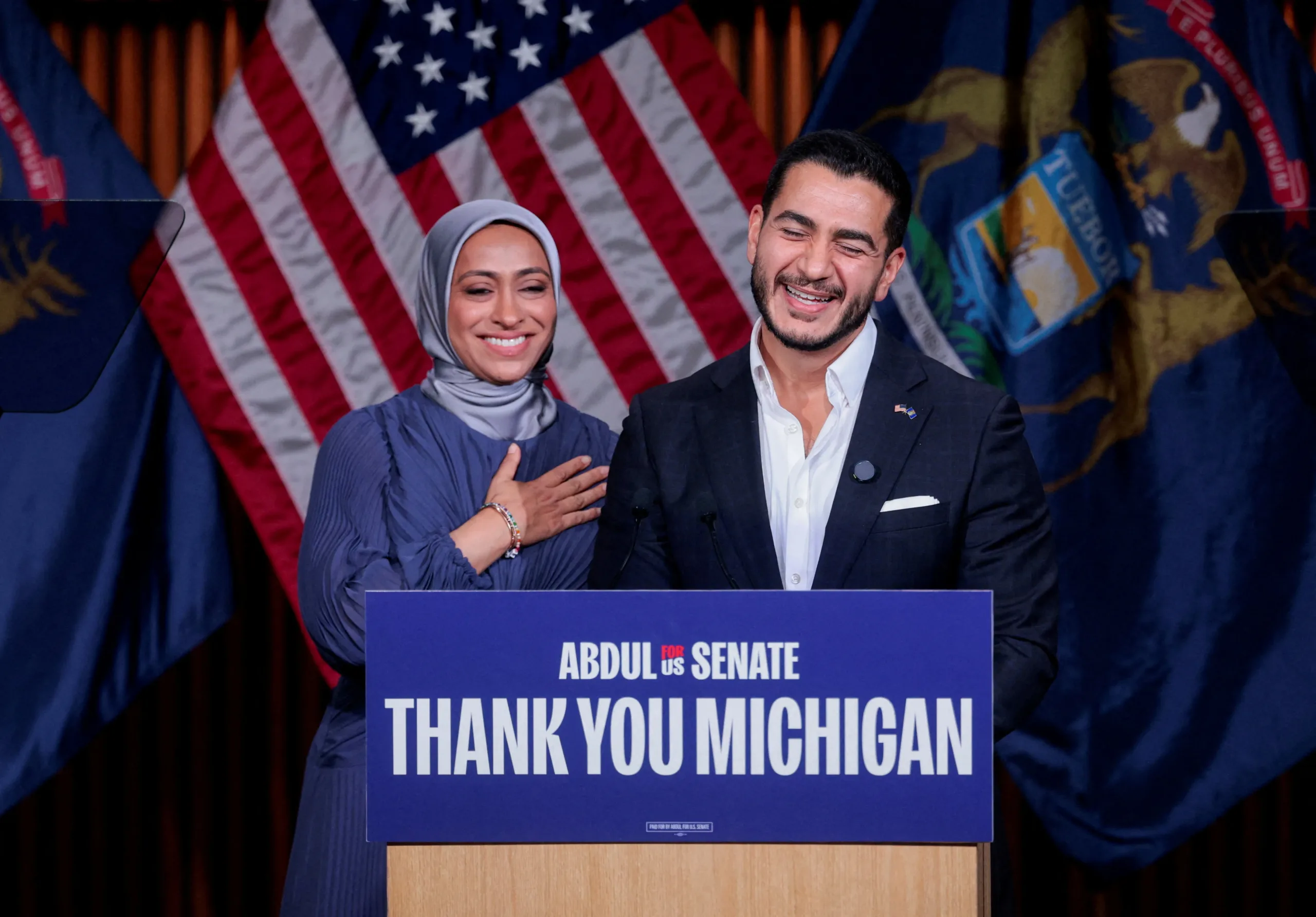
Washington, United States. Democrat Abdul El-Sayed has won the open US Senate seat in Michigan, according to media projections on Tuesday, and will be the first Muslim ever elected to the chamber. The result keeps a key seat in Democratic hands as the party tries to take control of the Senate.
A setback for Republican hopes
The win in a tightly fought race was a breakthrough for the progressive wing of the Democratic Party. It also prevented Republicans from taking the seat of retiring Democratic Senator Gary Peters.
Related: Nvidia board reinstates Jensen Huang as CEO nine days after he left the post
 RelatedNvidia board reinstates Jensen Huang as CEO nine days after he left the post
Republicans entered Tuesday’s midterm elections with a 53-47 majority in the Senate. Democrats needed a net gain of four seats to win control.
The winner’s platform
El-Sayed is 42 and previously worked as a public health official. His campaign centred on reducing costs for working families and limiting the influence of corporations in politics. He also backed Medicare for All, a government-funded universal healthcare program promoted by progressives in his party.
The Republican challenger
His opponent, Mike Rogers, is 63 and a former congressman and FBI agent. He began the campaign with firm support from Trump and national Republicans. Rogers tried to depict El-Sayed as a radical who sympathised with Islamic extremism, citing alleged links to the Muslim Brotherhood. El-Sayed denies the claims, and no evidence supports them. Democrats said the attacks drew on Islamophobic tropes.
Rogers also worked hard to win over Jewish voters who might have been uncomfortable with El-Sayed’s opposition to US military aid for Israel. They might also have been uneasy with his description of Israel’s actions in Gaza as genocide.
Economy and Trump’s ratings
Rogers had difficulty overcoming voter worries about the economy and Trump’s poor approval ratings. In the final weeks of the campaign, he parted ways with the president over the war in Iran and the US trade dispute with Canada. He argued that ending both was needed to help lower costs for businesses and consumers.
Related news




This article was prepared with the help of AI based on public sources. Report an error →
Write a comment