Spanish Transport Minister Puente Resigns Days After Second Deadly Train Crash of the Year
Oscar Puente announced his resignation six days after a rail disaster in Urda, leaving the Socialists to campaign for the 29 November election without one of their most combative figures.
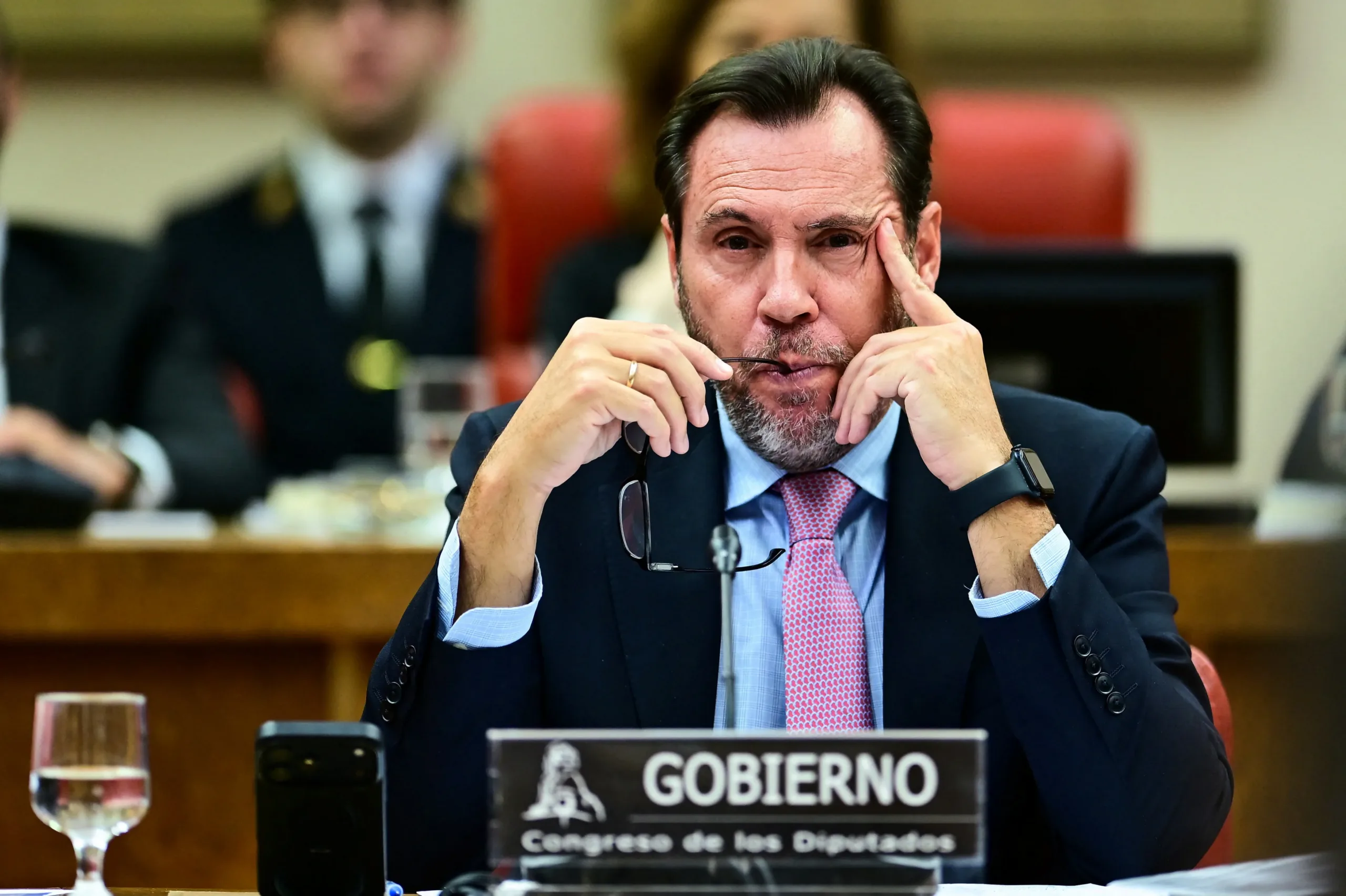
Madrid, Spain. Transport Minister Oscar Puente has resigned six days after the second fatal train crash in Spain this year, depriving the governing Socialists of a forceful but divisive voice as their election campaign begins. He announced the decision quietly on Tuesday night, to the surprise of lawmakers.
Announcement after parliamentary questioning
Puente made his move after about four hours of tense questioning by members of a caretaker parliamentary body. Most parties at the session demanded that he take responsibility for the two rail disasters, which have killed 115 people in total.
Related: Cyprus acquisition bill clears committee scrutiny, proposes 12-month compensation challenge deadline
 RelatedCyprus acquisition bill clears committee scrutiny, proposes 12-month compensation challenge deadline
He had earlier pledged to remain in office to oversee the investigation into last week’s crash and to correct weaknesses in the system. Both opposition parties and coalition partners had urged him to leave.
On Tuesday, the 57-year-old said he had actually decided to go right after the crash in Urda, in central Spain. He told only his family and did not inform Prime Minister Pedro Sanchez.
Timing and election plans
The resignation takes effect only once it appears in the official state gazette, and it is not yet clear when that will happen. Puente also said he would not stand as a candidate in the election on November 29.
Polls conducted after last Wednesday’s crash indicated a slight fall in support for the Socialists. The party had wanted to campaign on its handling of social services and the housing crisis.
Sanchez’s reaction
Sanchez praised Puente after the announcement. He said: “Politicians like (Puente) bring honour to our country and show us that we are not all the same. Whilst some merely preach, others give their all.” The prime minister added that Puente had “stood up, offered solutions and then stepped aside”.
Background
Puente, a lawyer and former mayor, became transport minister in November 2023. In that role he oversaw the growth of Spain’s rail network and the rollout of investments partly financed by EU recovery funds.
Unions and opposition parties had criticised him for years over insufficient spending on maintenance and a rise in disruptions. In February the Senate backed a motion demanding his resignation after a deadly crash on the Madrid-Seville line, the same route where last Wednesday’s collision happened.
Media commentators nicknamed him Sanchez’s “attack dog”. He often exchanged barbs with rivals on the messaging platform X and in parliament, and his combative style made him a leading candidate in talk about who might eventually succeed Sanchez.
Related news


This article was prepared with the help of AI based on public sources. Report an error →

Write a comment