Supreme Court quashes order to hold CCTV devices from Avakoum monastery in Fterikoudi
The Supreme Court has annulled a Nicosia district court order to retain three electronic devices holding CCTV footage from the Avakoum monastery, finding the order lacked legal basis and exceeded the court's jurisdiction.
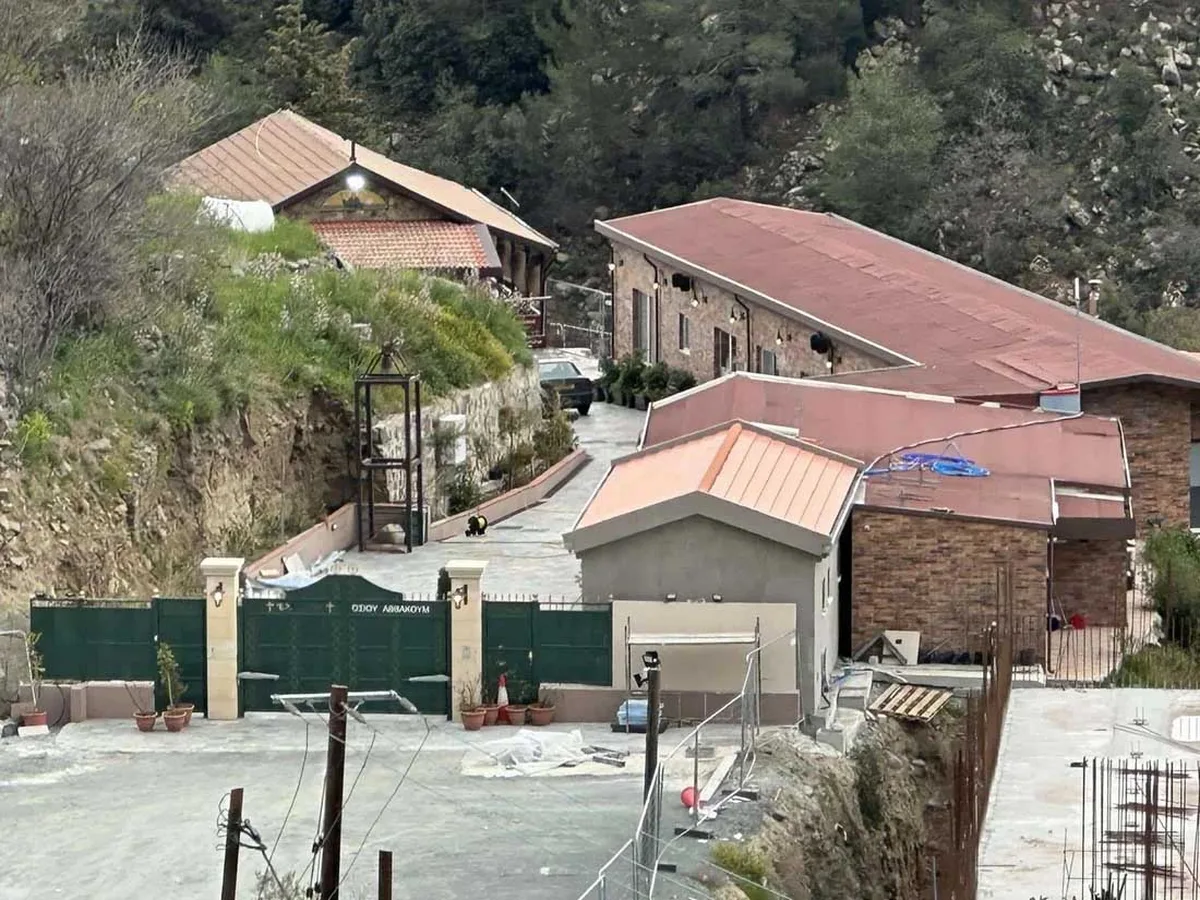
Nicosia, Cyprus. The Supreme Court has set aside an order that allowed police to retain three electronic devices holding CCTV footage from the Avakoum monastery in Fterikoudi. It found the order was issued without legal authority and outside the jurisdiction of the Nicosia district court.
Ruling and grounds of appeal
The decision is dated November 3, 2026, and was published in full on Thursday. The appeal was brought by Nektarios, a monk and the monastery’s former abbot. The Supreme Court accepted three of his four grounds, overturned the lower court’s decision and issued a writ of certiorari quashing the order.
Related: Supreme Court allows inmate to challenge phone records order in Demosthenous murder case
 RelatedSupreme Court allows inmate to challenge phone records order in Demosthenous murder case
It dismissed the fourth ground, which dealt with whether retaining the devices and processing sensitive data was lawful and proportionate under the European Convention on Human Rights and the EU Charter of Fundamental Rights.
How the devices reached police
According to the judgement, Archimandrite Barnabas, who had access to the devices, handed all three over to police of his own accord. The Supreme Court held that they were therefore not seized during a lawful search. This meant Article 32 of the Criminal Procedure Law, which covers the retention or disposal of items taken under a search warrant, did not apply. That article had served as the legal basis for the order.
Background to the case
The Nicosia District Court issued the order on July 3, 2025, after a police application. The application was part of an investigation into complaints that included alleged violations of personal data protection legislation.
The case began when Tamasos bishop Isaias filed a complaint alleging financial offences by Nektarios. The complaint relied on information from Barnabas, who had access to the monastery’s CCTV system.
Around the same time, several monks, Nektarios among them, lodged complaints against Isaias, Barnabas and others. They alleged various criminal offences, including breaches of personal data protection legislation, said to have been committed against them at the monastery and at the bishopric of Tamasos.
Charges in the trial
Nektarios and Porfyrios are currently on trial. The charges include conspiracy to defraud, forgery, use of false documents, theft by proxy, handling stolen goods and money laundering. They are also accused of interfering with judicial proceedings and of filing fraudulent tax returns.
Related news


This article was prepared with the help of AI based on public sources. Report an error →

Write a comment