Service description
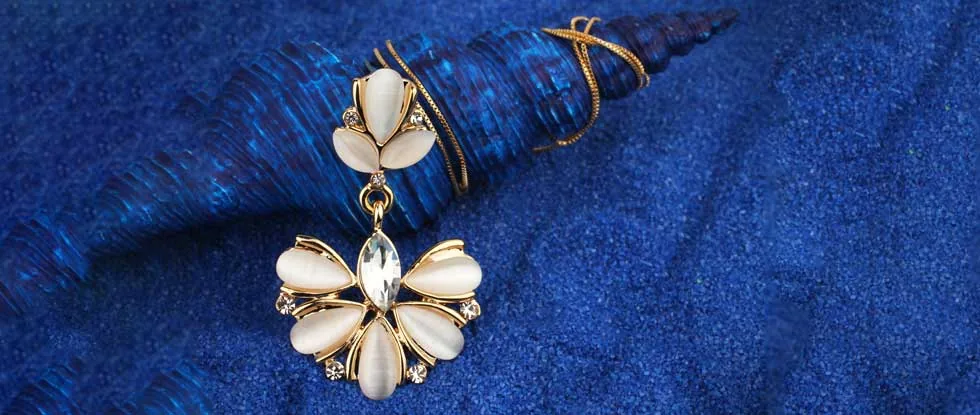
Pendants and chains are versatile pieces of jewellery that can be worn anywhere, paired with any outfit, and worn alongside rings, bracelets and earrings, or on their own.
A beautiful pendant and a gold or silver chain chosen to complement it perfectly complete your look and highlight the beauty of your neck and décolletage.
Chains for pendants and types of weave
When choosing a chain, first and foremost consider the weight of the pendant; otherwise, a chain that is too thin will snap, and you risk losing both pieces of jewellery. You should also avoid wearing a miniature pendant on a chain that is too chunky — this will look odd.
There are quite a number of different chain weaves, but not all are suitable for pendants. The distinctive qualities of such chains are their flexibility, strength, medium thickness and simple weave, which won’t distract attention from the pendant.
Types of chain weaves for pendants:
- anchor weave (single, double and triple weave);
- Venetian (straight, twisted weave);
- cable (figure-of-eight weave);
- bead weave (ball-shaped weave);
- Rollo (straight, twisted).
For advice and assistance in choosing the perfect chain for a pendant, it is best to consult the sales assistants at jewellery shops.
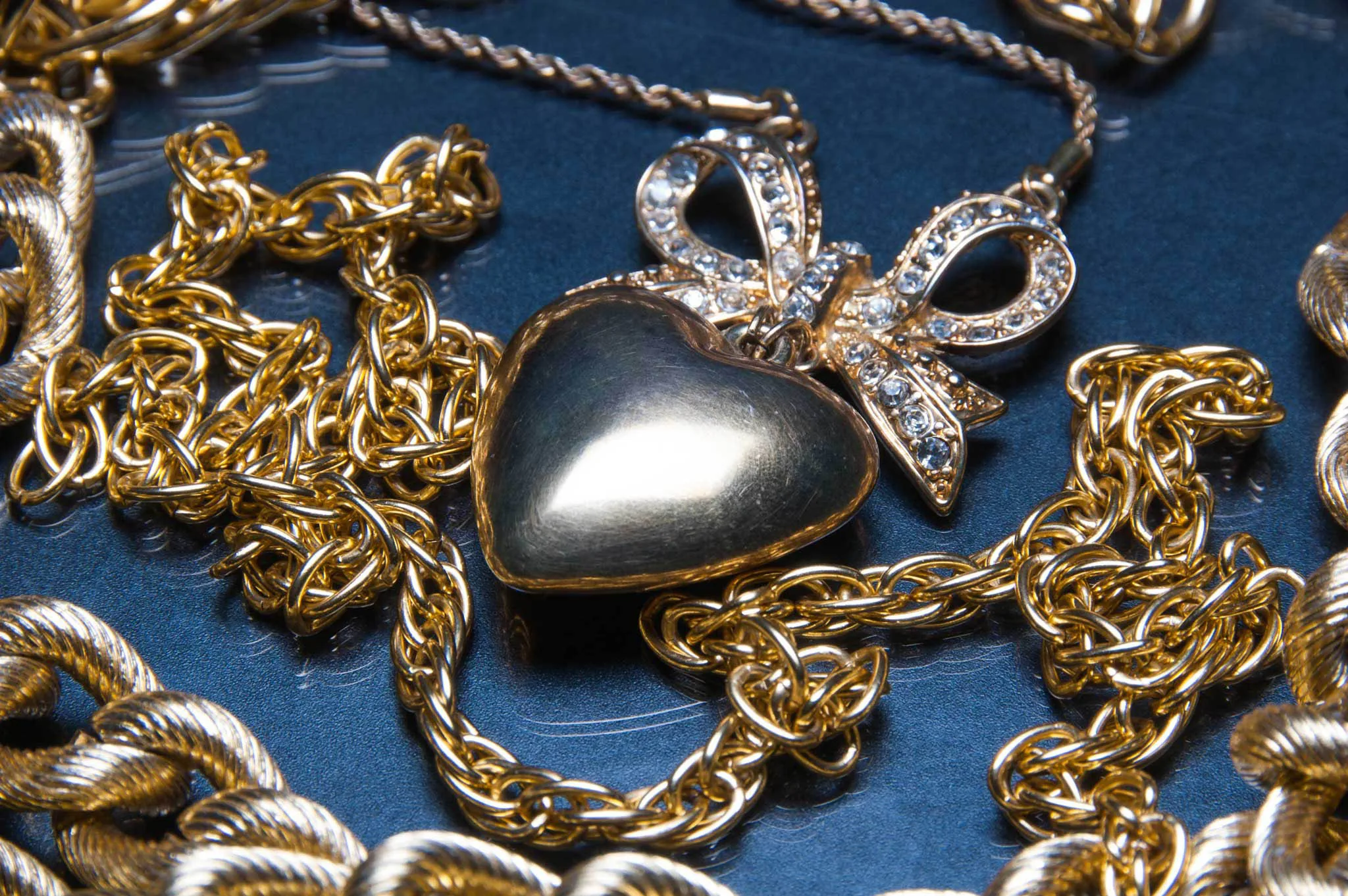
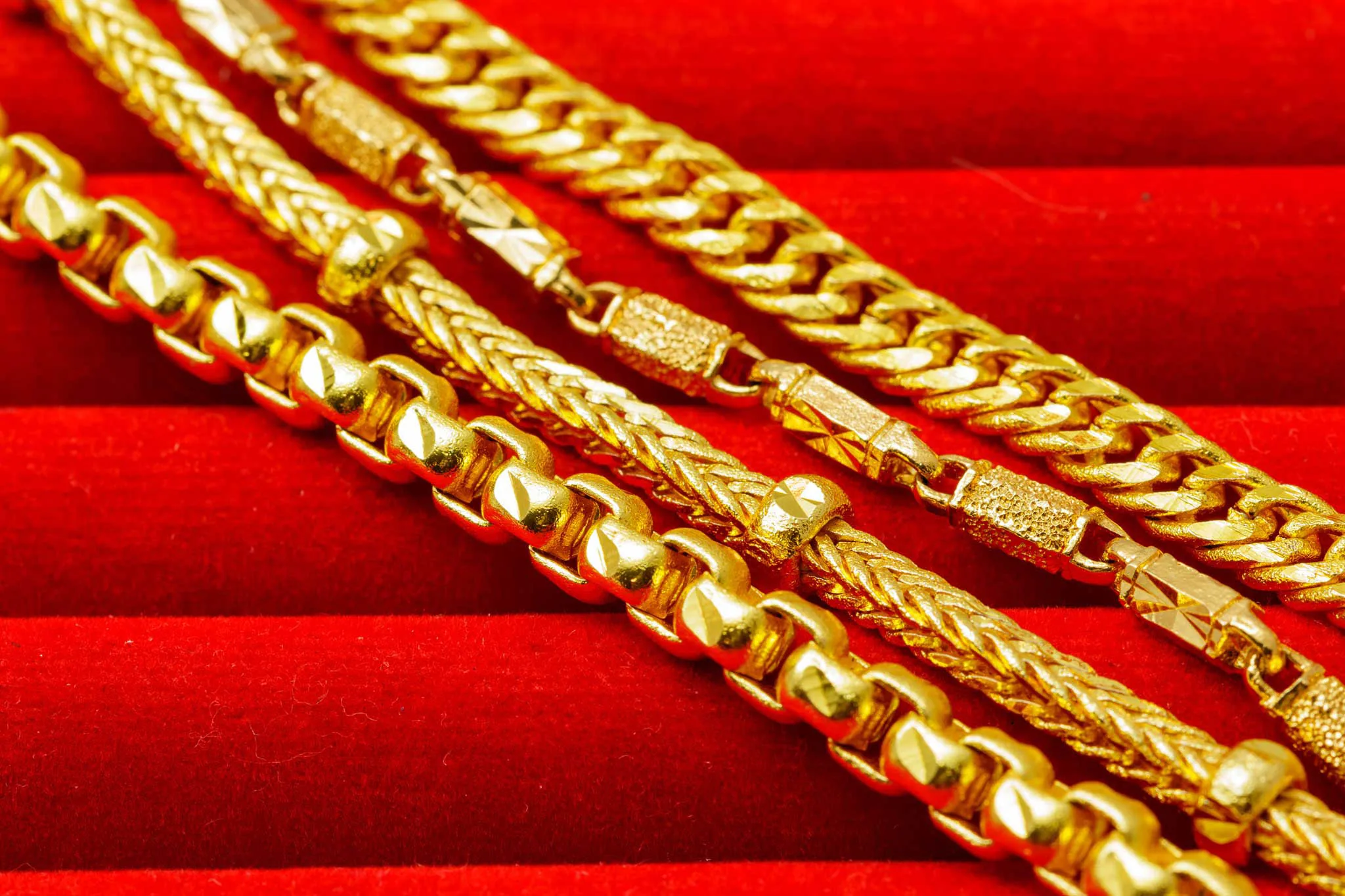 Qualified specialists will recommend considering solid pendant chains, as the links are soldered together, making them more durable and less likely to lose their shape with daily wear. Cheaper chain options (even those that look substantial) have hollow links; they break more easily and, as a rule, cannot be repaired.
When choosing a chain, pay particular attention to the quality of the clasp. Gold and silver chains use a lobster clasp, a box clasp or a round clasp, all of which should close easily and securely.
The shape of the pendant
Jewellers’ creativity in designing pendants knows no bounds. By choosing a pendant of the right shape, you can skilfully emphasise the best features of your figure.
Pendants come in the following shapes:
 hearts;
- drops;
- crosses;
- zodiac signs;
- rings;
- ovals, triangles, squares, polygons;
- letters;
- stars, etc.
Women’s pendants mainly take the form of plants, insects, fruit and animals. Men’s pendants feature geometric shapes, with Gothic and nautical motifs.
The colour of the stones and the metal in the pendant
A pendant is a piece of jewellery. Therefore, silver and gold (yellow or white) are used as materials for it.
A gold or silver pendant is elegant in its own right, but when combined with semi-precious and precious stones of various shapes and colours, it takes on an even more striking appearance.
The colour palette of the stones is diverse. The choice often depends on how well the pendant with stones complements your personal style, as well as on personal beliefs regarding how well a particular stone suits you psychologically.
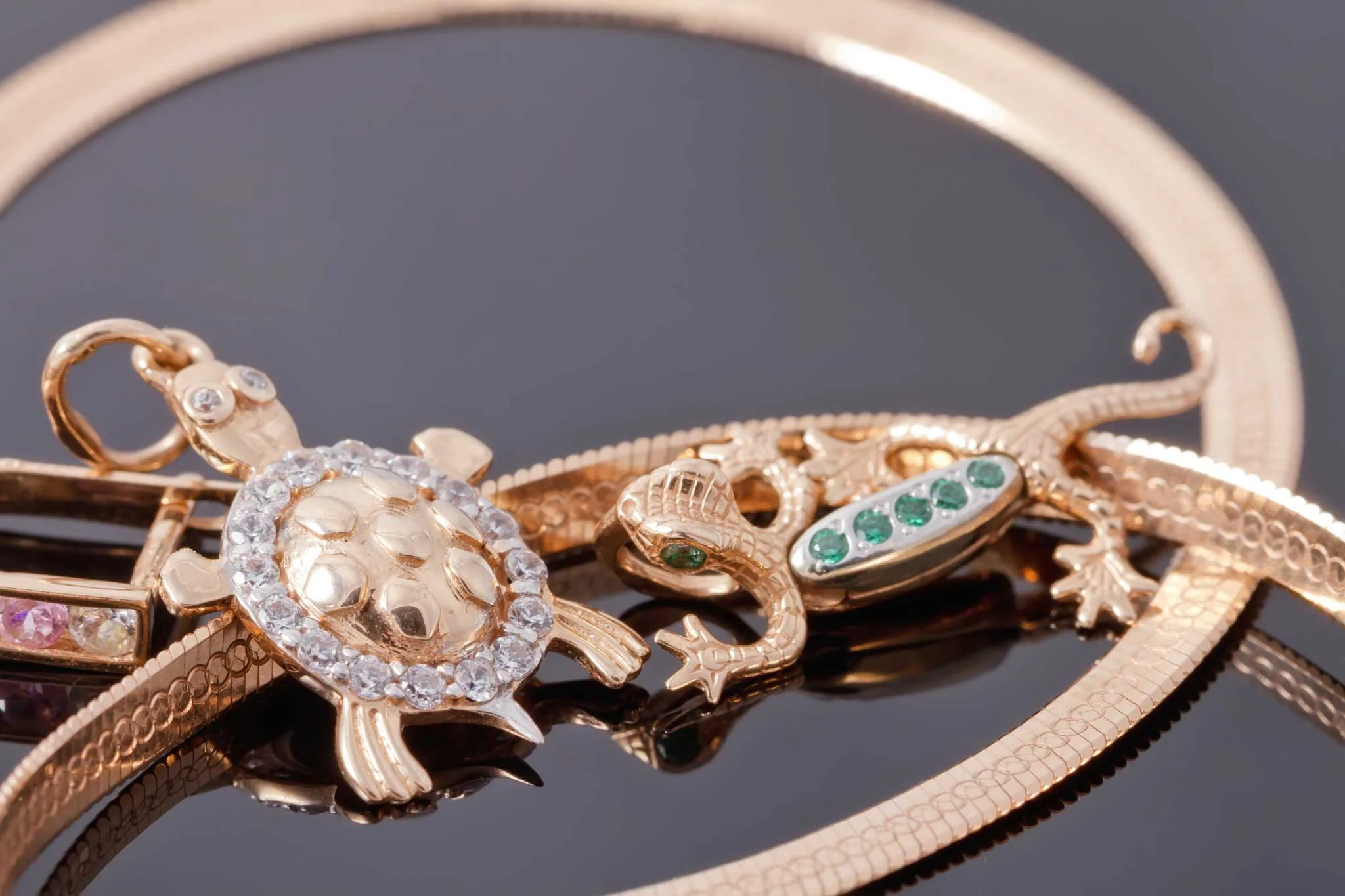
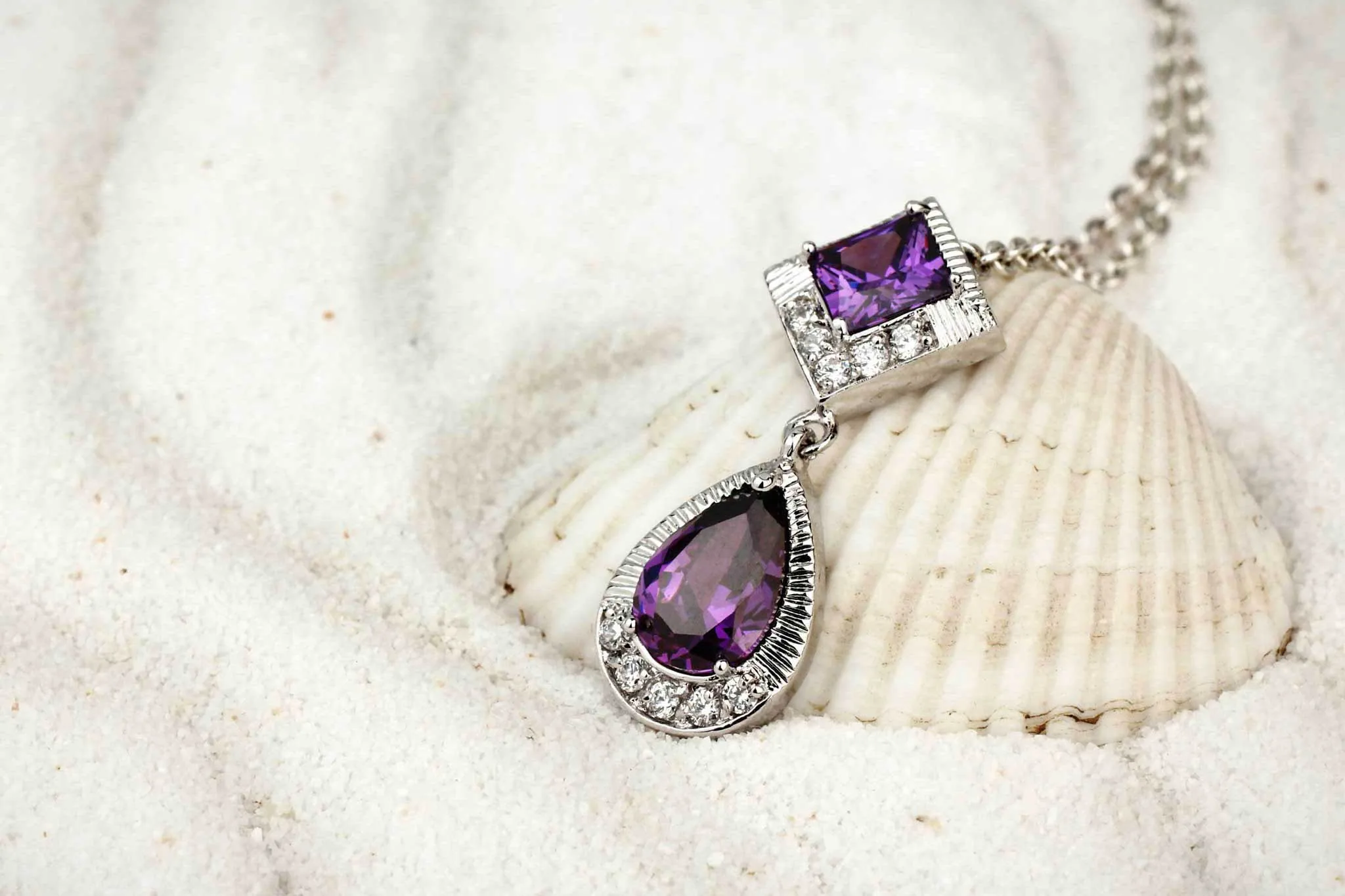
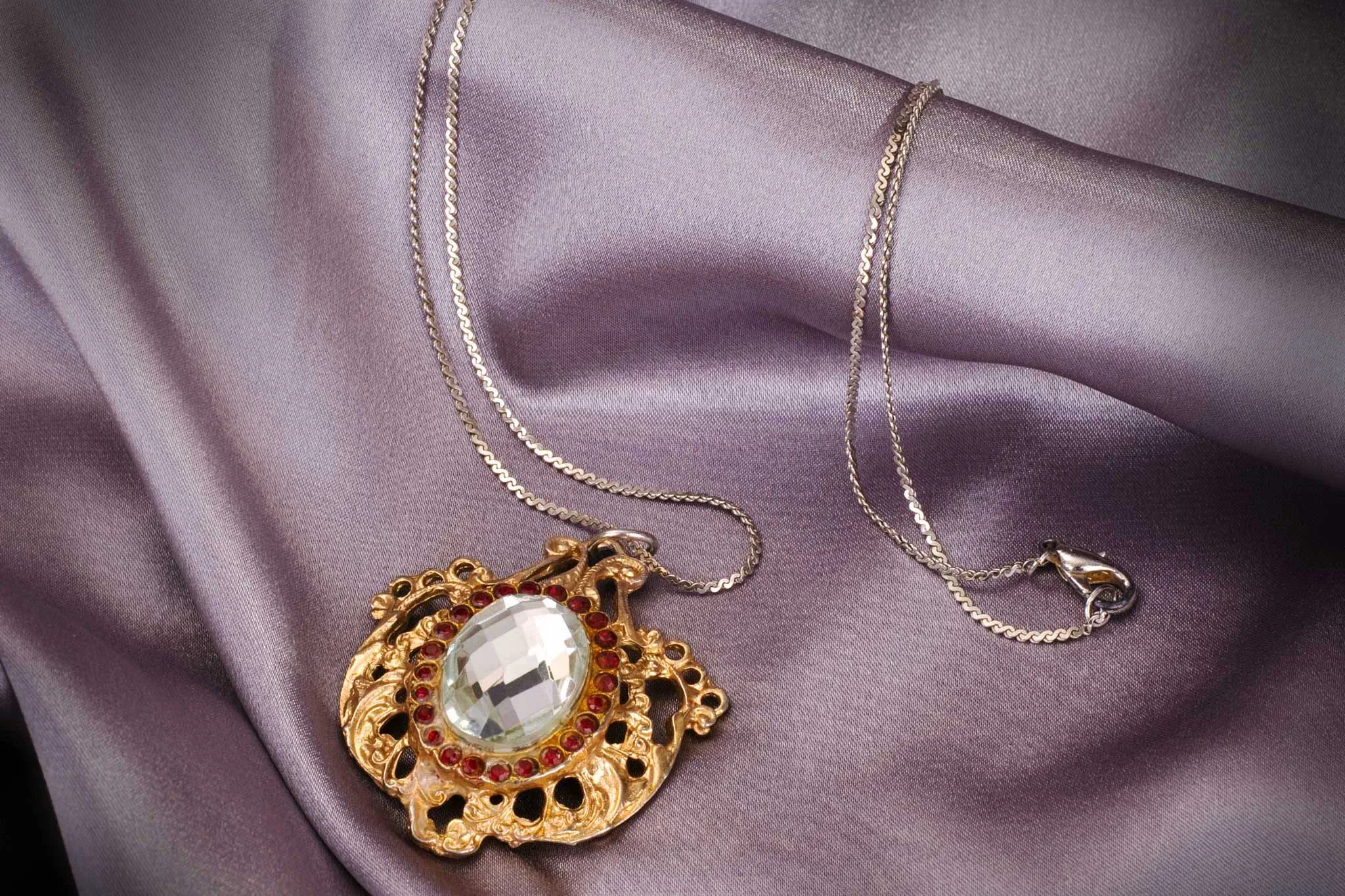 As well as their magical and healing properties, gemstones influence the mood of their wearer.
- purple (amethyst) — dreamy, mysterious or capricious, tense;
- blue (sapphire, lapis lazuli) — calm, melancholic and sad;
- light blue (topaz, turquoise, aquamarine) — peaceful or restless;
- green (emerald, malachite, jade, chrysolite) — calm, balanced;
- yellow (amber, sapphire, topaz, citrine) — pleasant, cheerful;
- orange (coral, sapphire, carnelian) — welcoming, joyful, cheerful;
- red (ruby, garnet, coral) — enthusiastic, playful or aggressive;
- pink (rhodonite, sapphire, coral) — tender, romantic;
- black (obsidian, coral) — gloomy, self-centred;
- white (pearl, moonstone, mother-of-pearl) — calm or detached;
- colourless (rock crystal, sapphire, topaz, brilliant-cut diamond, diamond) — bright and joyful.
Combining pendants and chains
Whilst it is by no means necessary to match a pendant and chain to accessories, other jewellery or, even less so, the colour of your clothes, it is extremely important to ensure they complement one another.
A pendant and chain that complement each other are a sign of good taste, grace and elegance.
When choosing a chain and pendant, bear in mind the following rules:
- The
 pendant and chain should be made of the same metal. A combination of a white gold pendant on a silver chain is also acceptable.
 - The chain for the pendant should have a simple weave.
- Miniature or lightweight pendants are suitable for a delicate chain.
- For a large pendant, choose a chain with a solid weave (cable or anchor). When choosing a pendant with stones, pay attention to how it attaches to the chain.
- Pendants on wide chains do not look good – they are best worn as a standalone piece of jewellery.
- Gold pendants should only be paired with a gold chain; cords and chains made of other metals are an unsuitable combination.
- You should also avoid wearing a pendant on a chain with an intricate weave or one adorned with gemstones.
When pairing a pendant with a chain, pay attention to your overall look. Choose jewellery that is appropriate for the occasion and suits your style and body shape.
A pendant on a long chain will visually elongate the neck; a pendant with a large, striking stone will flatter the décolletage and attract men’s attention; for those of shorter stature, medium or short chains with delicate pendants are a good choice.
Don’t skimp on beautiful, high-quality jewellery; it will bring joy to you and those around you for a long time to come.