Service description
Natural cosmetics can be bought in organic shops, beauty salons and chemists. A wide variety is also available on the shelves of ordinary shops in specialised sections. However, the label ‘natural’ on the packaging does not always reflect the actual contents, so when choosing a cosmetic product, it is best to rely less on advertising and examine the ingredients more carefully.
Manufacturers of natural cosmetics provide full information on the ingredients contained in their products, as well as storage conditions, certificates of compliance, etc., in accordance with the COSMOS standard, adopted in 2009 by the European Community in collaboration with Cosmebio & Ecocert (France), the Soil Association (UK), BDIH (Germany), ICEA (Italy) and Bioforum (Belgium).
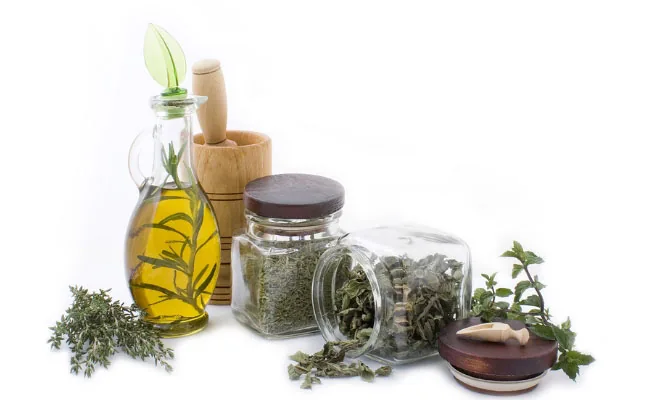
The main ingredients of 100% natural cosmetics are:
 water;
- plant-based substances and minerals;
- essential oils;
- herbal extracts;
- natural preservatives.
Any cosmetic product made from natural ingredients is both beneficial and safe for your health, especially when it comes to choosing cosmetics for children and pregnant women.
Natural shampoo
Shampoo is one of the most commonly used personal care products. The range of shampoos is so vast that it’s very easy to get confused when shopping. Just think about it:
- shampoos for dry, fine, dull, coloured, thick, wavy and oily hair;
- shampoos for dandruff, for volume, shine, strengthening and hair growth;
- shampoos for blondes, brunettes and those with auburn hair;
- toning shampoos;
- professional shampoos;
- shampoo and shower gel;
- shampoos for women, men and children;
- differing by price range, etc.
You have to admit that the choice really is enormous. And given that there are many counterfeit and non-natural hair care products amongst this variety, finding a genuine shampoo is quite difficult.
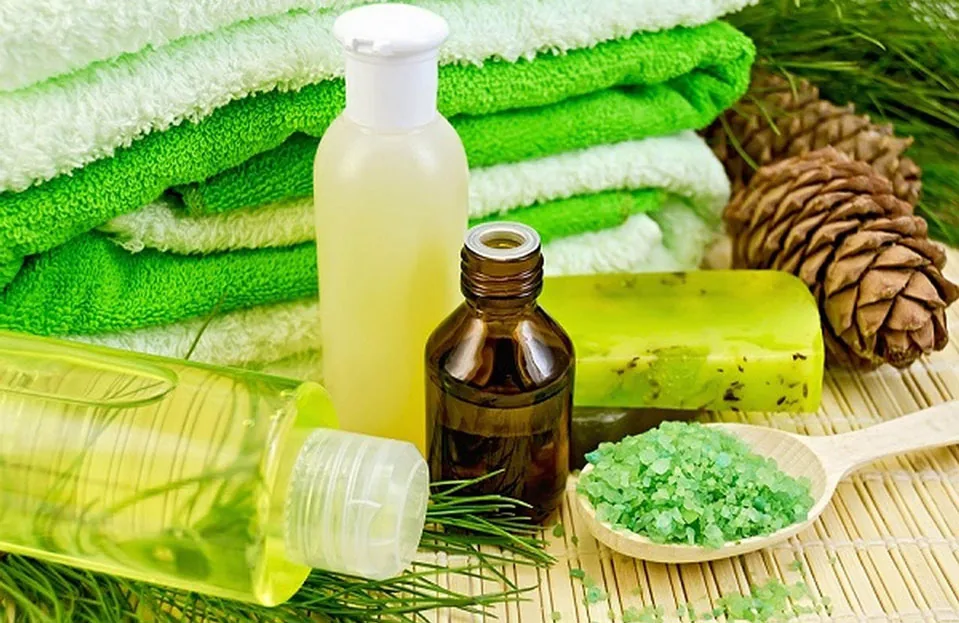
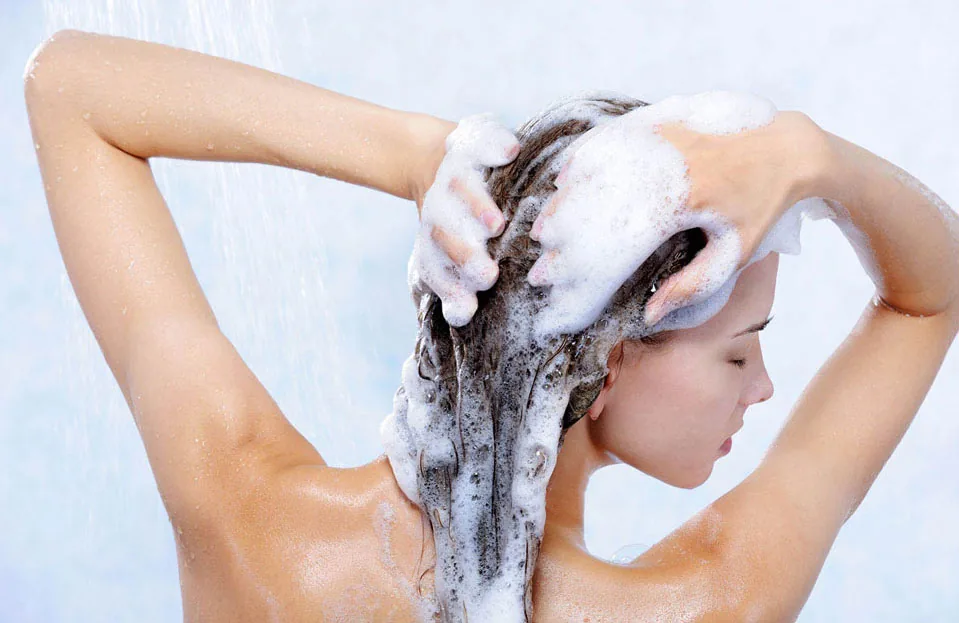
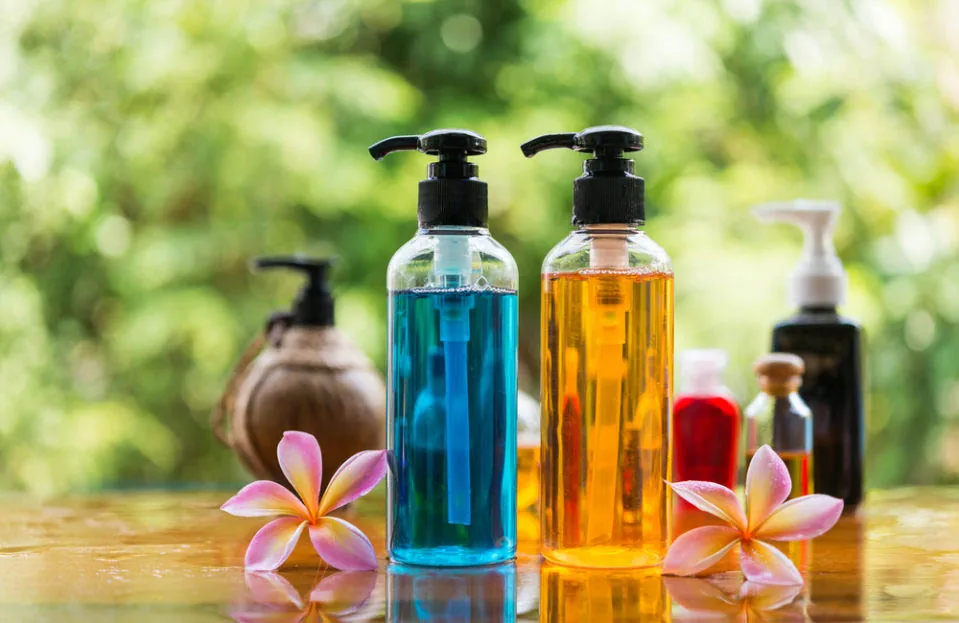
The main factors that define a natural shampoo are:
- a shelf life of no more than 1 year;
- free from parabens, lauryl sulphates and formaldehyde-based preservatives;
- it contains essential oils, wheat germ proteins, vitamins (B5) and plant extracts;
- a protective barrier;
- plastic packaging without a pungent chemical odour.
When testing the shampoo at home, pay attention to its colour and consistency. Natural shampoo is typically semi-transparent and gel-like in texture, with no strong odour or vivid colour, and does not cause irritation or dryness of the scalp.
Natural soap
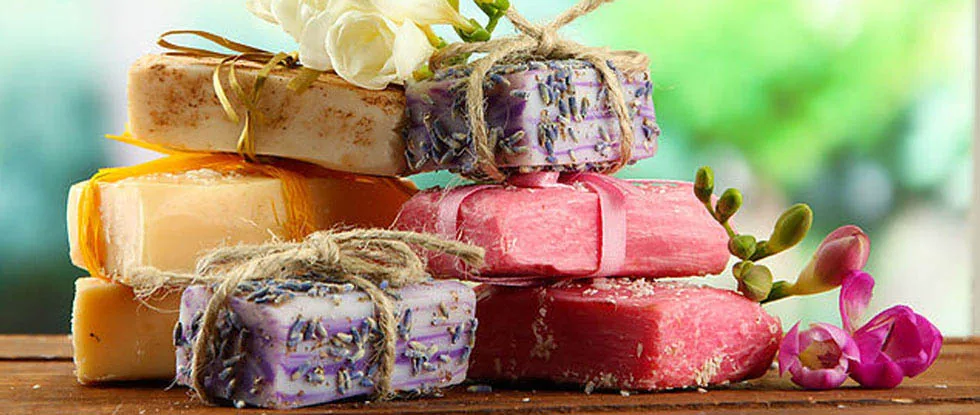
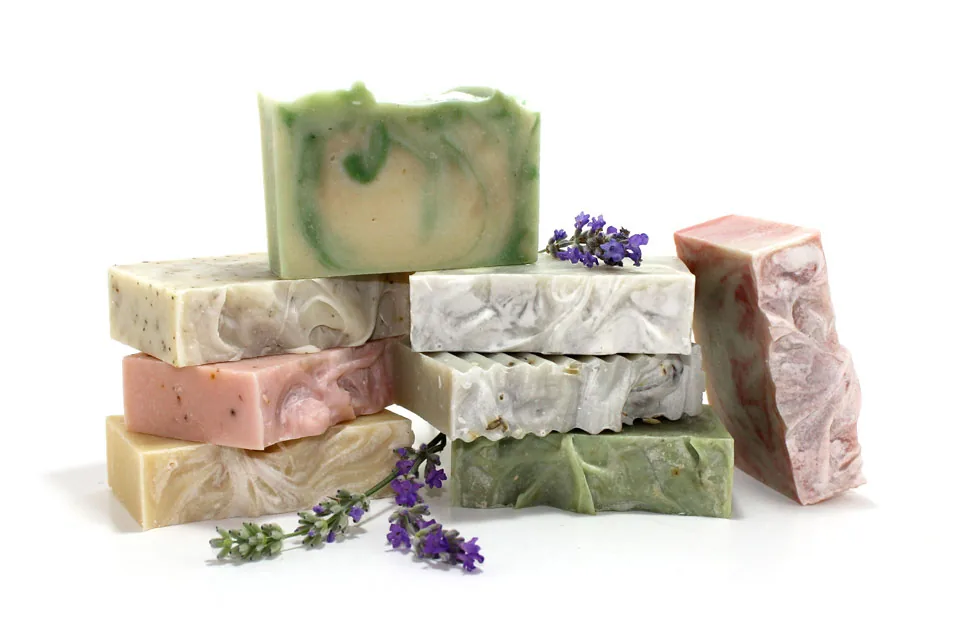 Liquid, bar or cream soap is one of the everyday products used for face and body care. Natural soap contains water, herbal infusions, essential and vegetable oils, and is free from chemicals and preservatives.
As a rule, natural soap is handmade, and if you wish, you can make it yourself at home.
There is a wide range of soaps available: tar soap, baby soap, household soap, hand soap, facial soap, body soap, exfoliating soap, anti-acne soap, shaving soap, seaweed soap, olive soap and others.
External characteristics of natural handmade soap:
- paper or polythene packaging;
- no chemicals;
- shelf life of up to 2 years;
- natural colour;
- an uneven texture;
- no strong odour.
Natural creams
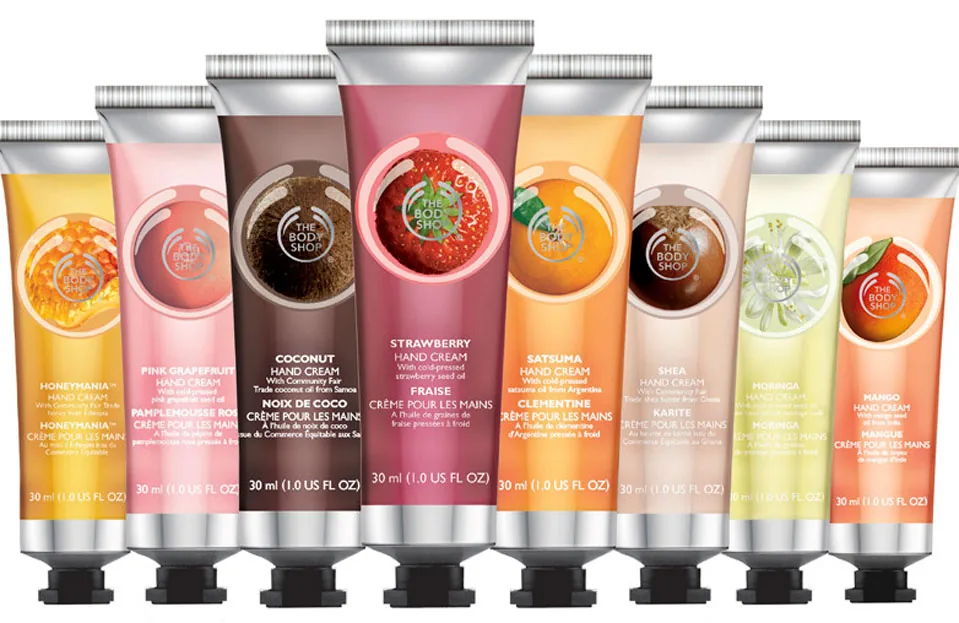
Cream is an indispensable product that helps to quickly and effectively tackle skin problems such as dryness, wrinkles, ageing, acne and many others.
Non-natural creams, whilst providing a noticeable effect after use, can lead to dependency and cause damage to the skin over time. To avoid such problems, it is essential to choose a cream suited to your skin type, which must not contain any synthetic additives.
For dry skin
|
For oily skin
|
For sensitive skin
|
Natural scrubs
The main component of a natural scrub is abrasive particles (berry and fruit seeds), which, when massaged into the skin, exfoliate dead skin cells, as well as:
For dry skin
|
For oily skin
|
For sensitive skin
|
Therapeutic natural cosmetics
 Demand for natural cosmetics is constantly growing. Consumers prioritise looking after their own health and achieving effective results, and even a high price is no reason to switch to less effective products.
In professional circles, the concept of ‘therapeutic cosmetics’ as such does not exist. There is a specific group of cosmetic products that are available over the counter, widely distributed and designed to address existing skin imperfections (acne, blackheads, pigmentation spots). This is where the concept of ‘natural cosmetics’ differs: these products care for the skin of the face and body, nourish it with vitamins, moisturise it and keep it toned.