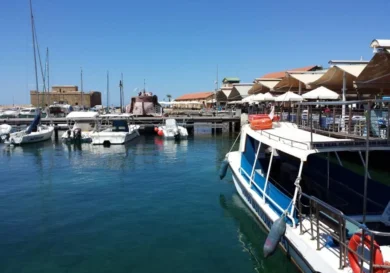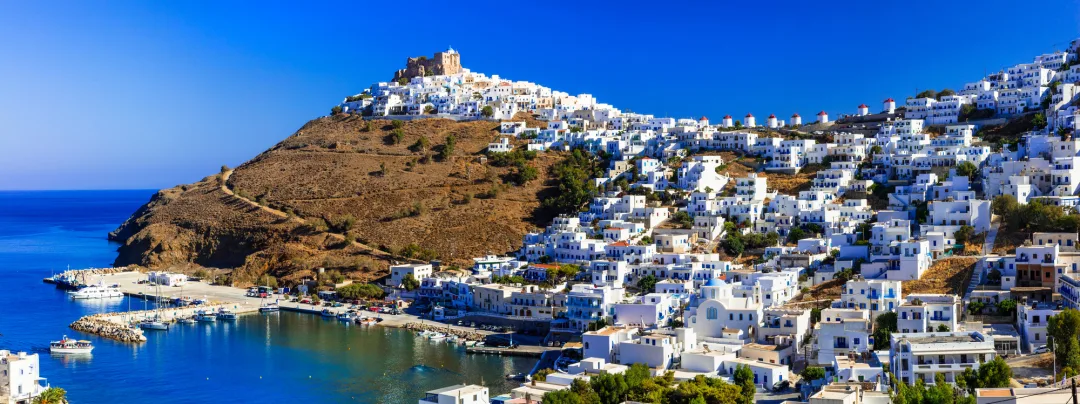
Astypalaia, Greece. Seven Greek islands in the Aegean Sea have declared drought emergencies this year as hotter summers and erratic rainfall strain water supplies. On Astypalaia, authorities are seeking to preserve reserves ahead of the tourist season.
Low rainfall strains reservoir
Astypalaia, a butterfly-shaped island in the southeastern Aegean that relies on bottled water for drinking, did not benefit from rainfall in northern and western Greece that made the country’s winter its wettest since 2022.
According to local authority data, the island recorded its second driest season since 2020. Mayor Nikos Komineas said annual rainfall would amount to just 2.5 centimetres if collected in a bucket or washbowl.
The island’s only reservoir, a man-made lake built in the mid-1990s and surrounded by dry hills, holds about 150,000 cubic metres of water, or one-sixth of its storage capacity.
Irrigation restrictions and desalination plans
The reservoir supplies household and irrigation water to Livadi, Astypalaia’s main fertile area, and to Chora, the island’s capital and main tourist town.
Authorities stopped supplying reservoir water to farmers in April to conserve reserves. Farmer Evdokia Palatianou said vegetables in her orchard withered after she was forced to use brackish water from her well.
“Unless it rains, I won’t plant anything,” said Palatianou, 71, standing beside a dead mandarin tree in Livadi.
Summer water consumption is about 900 cubic metres a day, meaning current reservoir supplies would last about five and a half months. Authorities declared a water emergency in May to accelerate installation of a temporary desalination plant capable of producing 600 cubic metres a day for Chora, Komineas said.
Irrigation in Livadi has been blocked to protect the reservoir’s remaining water until autumn.