Kathmandu, Nepal. Rapper-turned-politician Balendra Shah was sworn in as Nepal’s prime minister on Friday, tasked with restoring political stability and creating jobs in the Himalayan nation. Shah, 35, is Nepal’s youngest prime minister in decades and the first Madhesi to lead the country.
Swearing-in ceremony and background
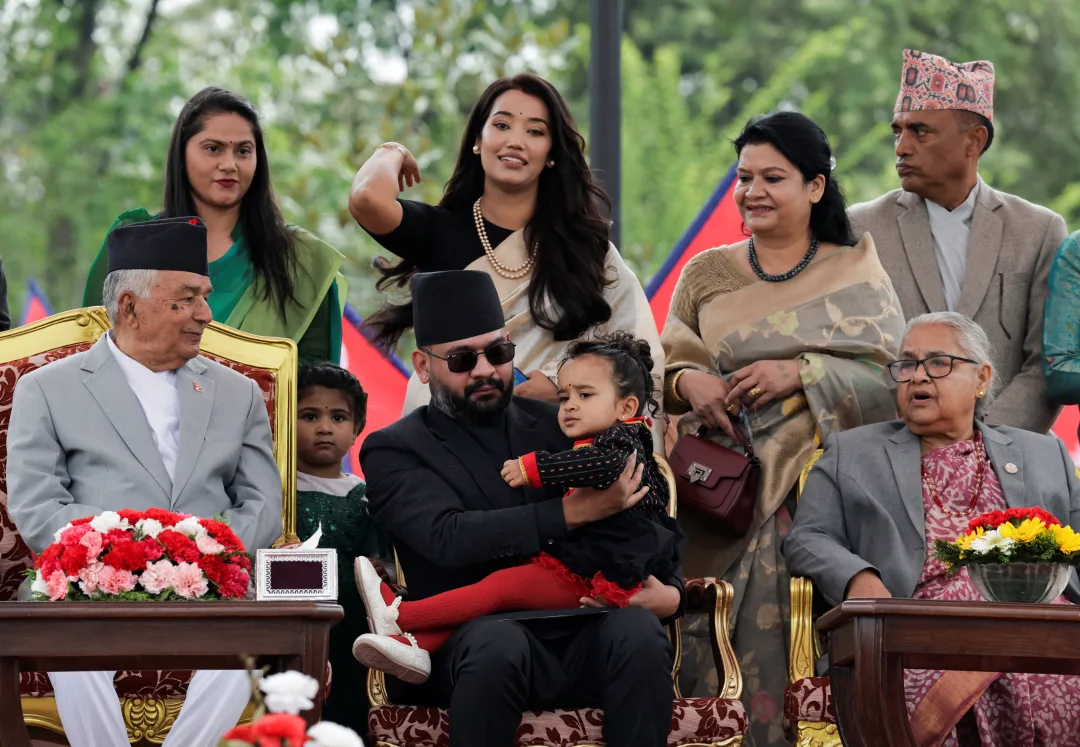
Shah wore skin-tight trousers, a matching jacket, his signature black Nepali cloth cap and sunglasses at the ceremony. More than 200 Hindu priests and Buddhist lamas chanted hymns and peace prayers alongside the blowing of conch shells during the ceremony at the President House, attended by diplomats and senior government officials.
A former mayor of Kathmandu, Shah became prime minister after his three-year-old Rastriya Swatantra Party (RSP) won 182 seats in the 275-member parliament in the March 5 election. The vote was the first since the anti-corruption Gen Z protests in September last year in which 76 people were killed.
Campaign messaging and social media
In a music video posted on his Facebook page on the eve of his swearing-in ceremony, Shah stressed patriotism and optimism for Nepal’s future. “Nepal is not scared this time, the heart is full of red blood … laughter and happiness will reach every household this time,” he sang in the video featuring visuals of large crowds cheering him during his election campaign.
Cabinet appointments and economic agenda
After being sworn in, Shah selected 14 members for his cabinet, keeping his campaign promise to have a small team to cut state expenses. He appointed Swarnim Wagle, a Harvard-educated economist, as finance minister.
Key tests: service delivery and protest-violence report
Political analyst Puranjan Acharya said the first test of the new government would be “transparent and prompt delivery of services to people,” who expect early signs of good governance from Sunday, a working day in Nepal.
Acharya said an early challenge for Shah would be implementing the report of a panel that investigated the violence during the anti-corruption protests, a key demand of victims’ families. The report recommended prosecuting those responsible for the crackdown, including then Prime Minister KP Sharma Oli.
What do you think should be the new government’s top priority in its first weeks in office?