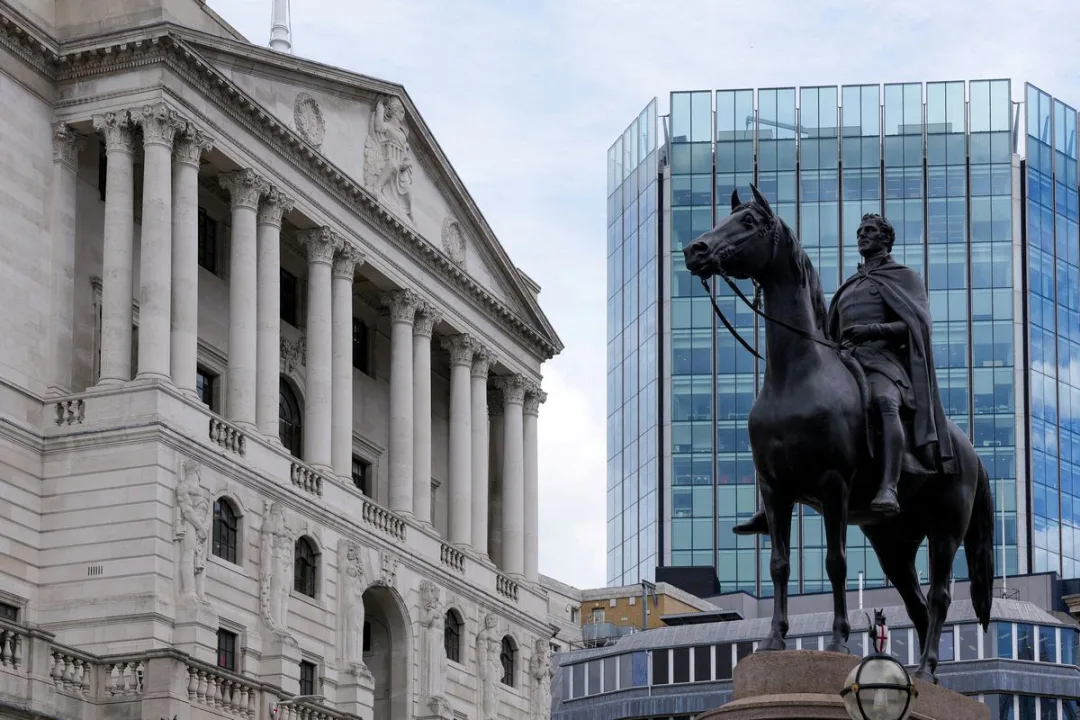
Skopje, North Macedonia. Bank of England Chief Economist Huw Pill said uncertainty over the economic effects of the conflict in the Middle East should not be used to delay action against inflation risks. He said he was prepared to act if needed to contain lasting components of any new inflationary pressures.
Pill highlights mounting risks to price stability
Speaking at a central banking conference in Skopje hosted by North Macedonia’s central bank, Pill said “the fog of uncertainty in which we always operate cannot be an excuse for inaction.” In a text provided by the Bank of England, he said he saw upside risks to price stability mounting as a result of events in the Gulf.
BoE inflation forecast revised higher
Last week the Bank of England revised up its inflation forecast, projecting inflation rising toward 3.5% by the middle of the year. This contrasted with its projection before the conflict that inflation would return to near its 2% target from April onwards.
Policy minutes and market expectations
In minutes from last week’s decision, Pill said it was unclear whether rising market borrowing costs were enough to offset the inflation impact of higher energy prices, and that he was ready to act if inflation pressures intensified. Financial markets are currently pricing in almost three quarter-point Bank of England rate rises this year, compared with the rate cuts expected before the conflict, though some economists say headwinds to growth and a weak domestic labour market could lead the Bank to keep rates unchanged.
Bailey cautions on rate hike bets
Bank of England Governor Andrew Bailey said last week that investors were getting ahead of themselves by betting on rate increases.
Labour market changes and persistence of inflation shocks
Pill said he believed changes in the British job market since the pandemic meant it exerted less downward pressure on inflation than before during periods of economic weakness. He said he attached sufficient weight to the structural change interpretation to conclude that the effects of previous inflation shocks and a new energy shock from the Gulf were persistent enough to justify caution in the conduct of monetary policy.
How do you think the Bank of England should balance inflation risks against concerns about economic growth?