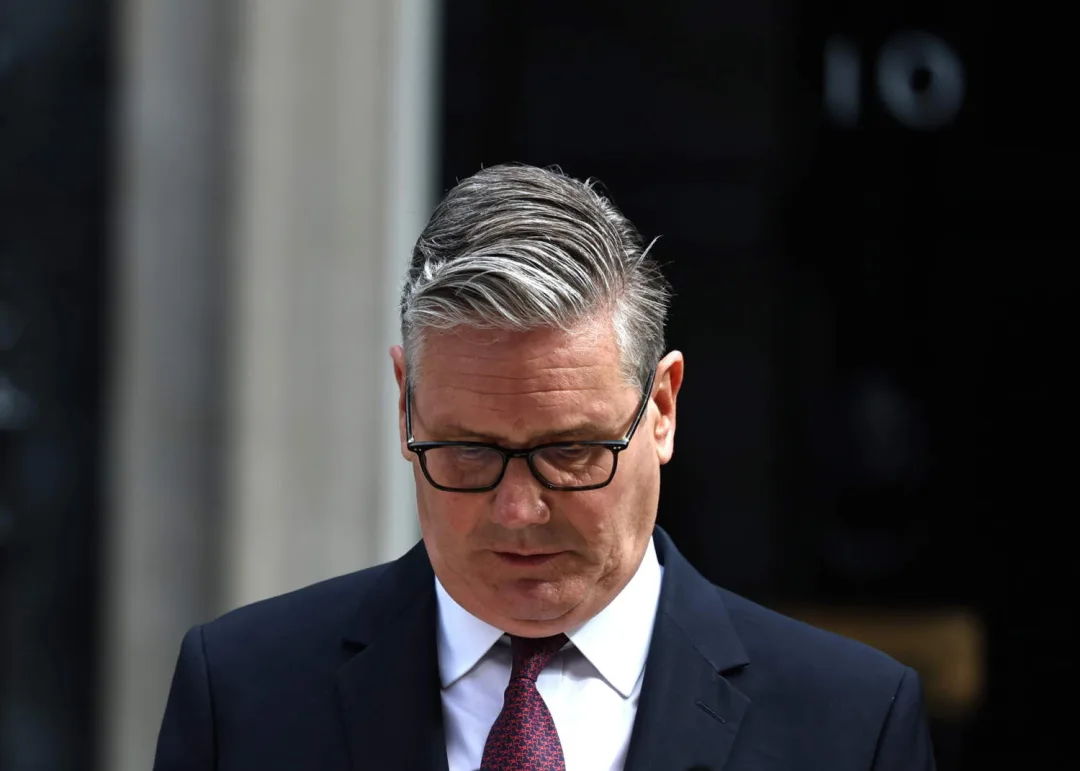
London, United Kingdom. British Prime Minister Keir Starmer said on Monday he would quit, opening the way for Britain to have its seventh leader in 10 years. His announcement came as the country marked 10 years since the Brexit referendum.
Brexit vote triggers prolonged instability
The political turbulence dates to the June 2016 referendum, when Britons voted 52%-48% to leave the European Union. The result ended a more than 40-year union and pushed the country into its biggest political crisis since World War Two.
In the years since the vote, Britain has sought to chart its own course but has struggled to lift its low-growth economy. The country has also faced high debt and a growing welfare bill during a period of increasing geopolitical volatility.
June 2016: Cameron resigns after referendum
Following the Brexit vote, Conservative Prime Minister David Cameron resigned. The Conservative Party then chose Theresa May to succeed him.
June 2017: May loses majority after snap election
Seeking a larger parliamentary majority to pass Brexit legislation, May called a snap election while the Conservatives were strong in opinion polls. The move backfired, and the party lost its majority.
The Conservatives remained in government by reaching an agreement with Northern Ireland’s pro-UK Democratic Unionist Party.
May 2019: May resigns and Johnson succeeds her
May resigned after failing to end a parliamentary deadlock over the terms of Britain’s departure from the European Union. Boris Johnson, one of the leading figures in the pro-Brexit campaign, won the Conservative Party contest to replace her.