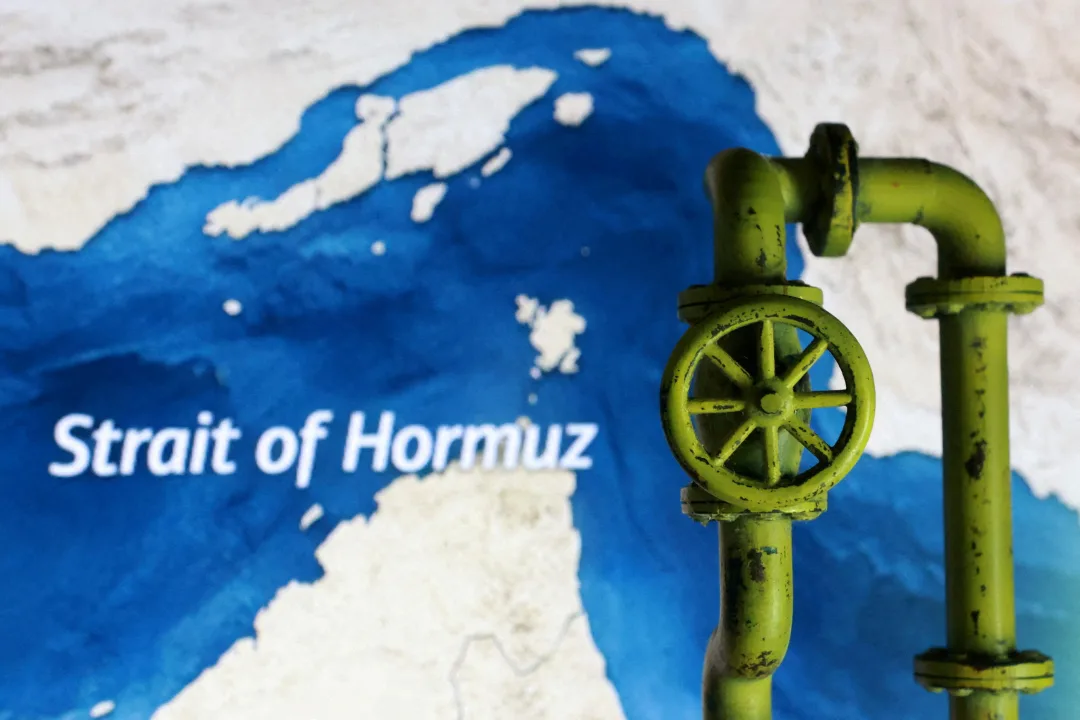
London, United Kingdom. Britain will host virtual talks on Thursday to form a coalition of countries to explore ways to reopen the Strait of Hormuz after U.S. President Donald Trump said securing the waterway was a problem for other nations to resolve.
Meeting chaired by Yvette Cooper
British foreign minister Yvette Cooper will chair the virtual meeting of about 35 countries around midday in London, including France, Germany, Italy, Canada and the United Arab Emirates, to explore ways to restore freedom of navigation in the area. The United States is not due to attend.
Trump comments and context
The meeting follows remarks by Trump in an address to the nation on Wednesday evening, when he said the Strait could open “naturally” and that countries relying on the waterway were responsible for ensuring it was open.
Strait closure and impact
Iran has effectively shut down the Strait, which carries about a fifth of the world’s total oil consumption, in retaliation for U.S.-Israeli strikes that began in late February. Reopening the waterway has become a priority for governments around the world as energy prices soar.
Starmer on proposed approach
British Prime Minister Keir Starmer said on Wednesday that the meeting would assess “all viable diplomatic and political measures” to restore freedom of navigation in the area after a ceasefire has been reached. He said reopening the waterway would “not be easy” and would require “a united front of military strength and diplomatic activity” alongside working with the shipping industry.
European stance and next steps
European countries initially refused Trump’s demand to send their navies to the area because of fears about being dragged into the conflict. European officials said concerns about the impact of rising energy costs on the global economy have prompted efforts to form a coalition to explore ways to reopen the waterway once a ceasefire is agreed.
Officials said Thursday’s talks will be the first formal meeting of the group before more detailed discussions involving military planners in the coming weeks. One European official said any first phase of a plan was expected to focus on ensuring the waterway was free of mines, followed by a second phase to protect tankers crossing the area.
What measures should governments prioritise to restore freedom of navigation in the Strait of Hormuz?