Damascus, Syria. Recent clashes between Kurdish forces and government troops have altered the outlook for Syrian Kurdish aspirations for autonomy, as a ceasefire agreement is expected to consolidate Damascus’s control if fully implemented.
Ceasefire agreement and shifting control
A year after Bashar al-Assad’s regime was collapsing, Syria’s Kurds appeared closer than ever to achieving long-sought political autonomy, but recent fighting has changed the situation.
The ceasefire agreement that has been reached, if fully implemented, is expected to mark the end of Syrian Kurdish hopes for political autonomy and to represent a political victory for Syria’s leader, Ahmed al-Sharaa.
Interview assessment of negotiations and clashes
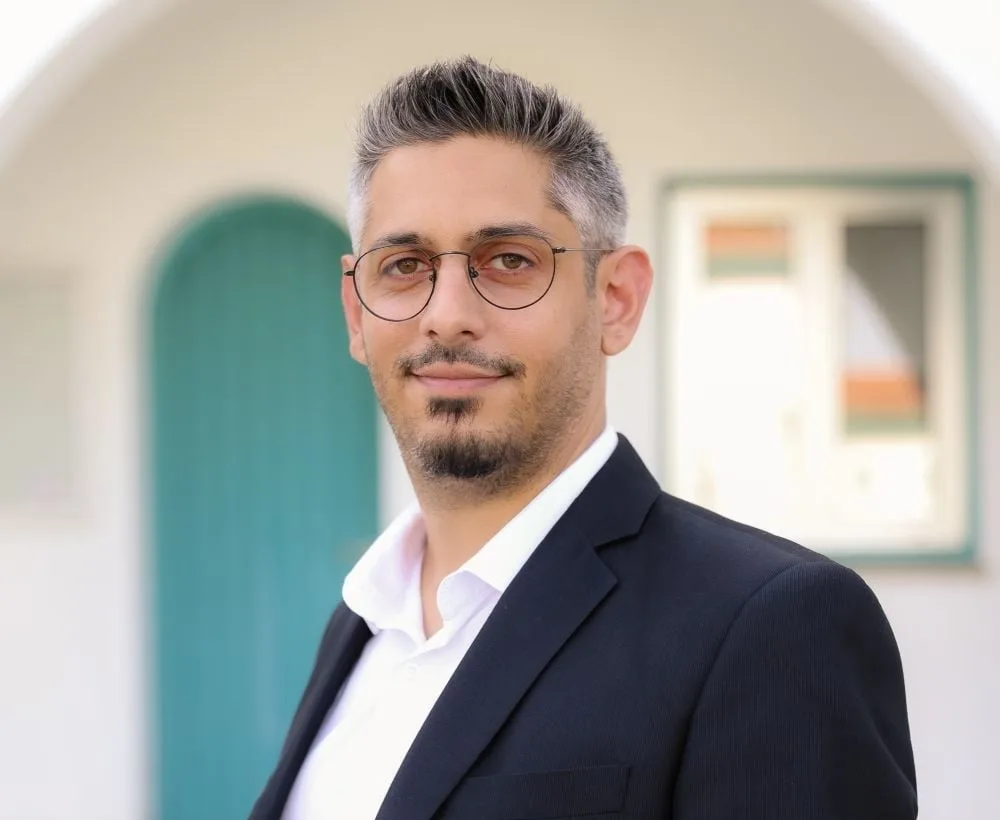
In an interview with Phileleftheros, Zenonas Tziarras, a lecturer at the Department of Turkish and Middle Eastern Studies at the University of Cyprus, described how Kurdish forces reached the point of withdrawing from areas previously under their control.
Tziarras said that after initial integration agreements following the fall of Assad’s regime and US mediation efforts, negotiations collapsed due to conflicting demands, pressure from the PKK, and internal fractures within the Syrian Democratic Forces (SDF).
He said this led to armed clashes, territorial losses for Kurdish forces, and an agreement he described as tantamount to capitulation and the consolidation of Damascus’s control. He added that the risk of a new cycle of violence remains.
Regional and Cyprus implications
Tziarras said the developments have repercussions for the wider region, with instability in Syria reshaping the balance between Turkey, Israel and the United States. He said Ankara is indirectly supporting developments in favour of Damascus, while Israel is exploiting gaps in state sovereignty.
He said the situation also has indirect consequences for Cyprus, which he said is being forced to balance relations with the United States and Israel while monitoring the risk of new refugee flows if Syria becomes further destabilised.
Current situation in Syria under Ahmed al-Sharaa
Ahmed al-Sharaa has been in power for a year, and more than a year after the overthrow of Bashar al-Assad, Syria remains in a post-war, transitional and highly unstable state, according to Tziarras, with significant gaps in authority and legitimacy.
He said that despite the lifting of sanctions, the economy remains fragile, with high levels of poverty, poor humanitarian conditions and food insecurity.
How do you think the ceasefire will affect stability in Syria and the region?