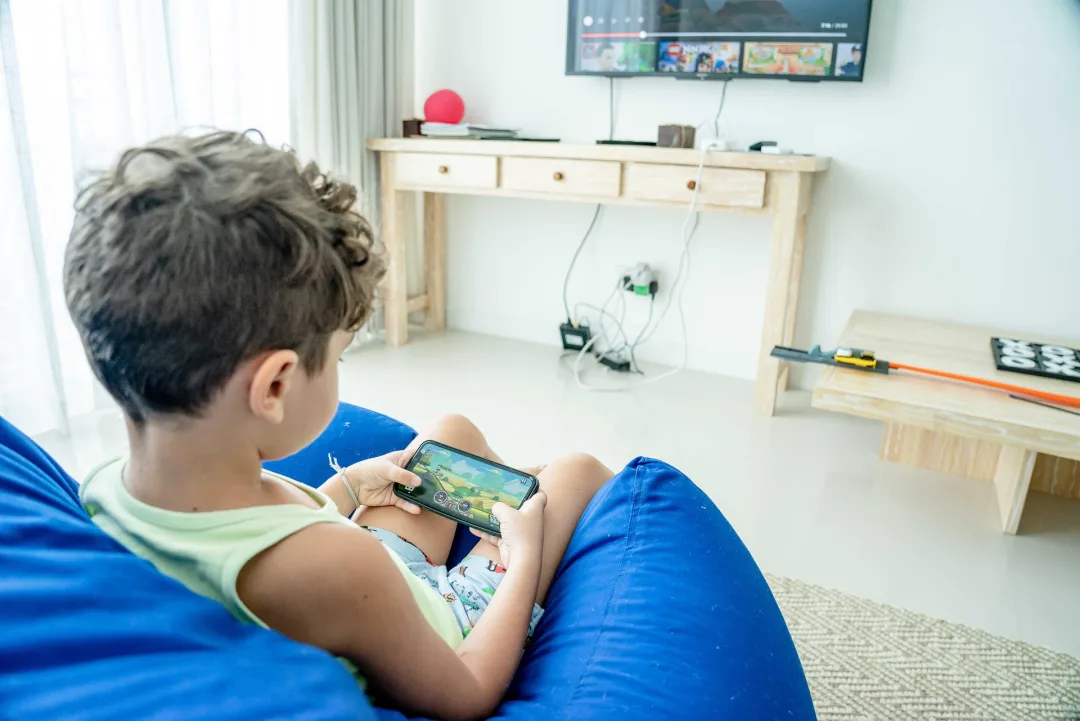
Nicosia, Cyprus. Children’s health observatory Children First said findings show most children in Cyprus aged six and seven spend more time on screens than recommended. The World Health Organisation advises children aged five to 13 to limit screen use to two hours a day.
Survey findings on children’s screen use
The observatory’s survey found the median time spent watching movies, television shows and entertainment programmes was 1.5 hours daily on both weekdays and weekends. Gaming averaged 45 minutes on weekdays and 1.5 hours at weekends.
Health and social impacts highlighted
Children First warned that prolonged and unmonitored screen use can foster digital addiction and harm psychosocial and physical health. It cited evidence from the European Family study involving Cypriot children indicating that more than two hours of internet and multimedia use daily reduces mental well-being, lowers self-esteem, strains family relationships, and encourages sedentary behaviour contributing to overweight and obesity.
“The systematic and increased exposure of children to screens has serious negative implications,” the observatory said.
Observatory role and reporting
Established in 2022 and coordinated by the Cyprus University of Technology in collaboration with the University of Cyprus, the observatory monitors health and environmental indicators for children in 22 schools across Cyprus. It communicates individual results securely to parents while reporting aggregated data to authorities and the scientific community.
Parental influence on screen habits
Research cited by the observatory also stressed the role of parental behaviour in shaping children’s screen habits. Studies show children are more likely to emulate parents who spend excessive time on devices, and that high parental screen use during routines such as mealtimes reduces responsiveness and interaction.
How do you manage screen time for children during weekdays and weekends?