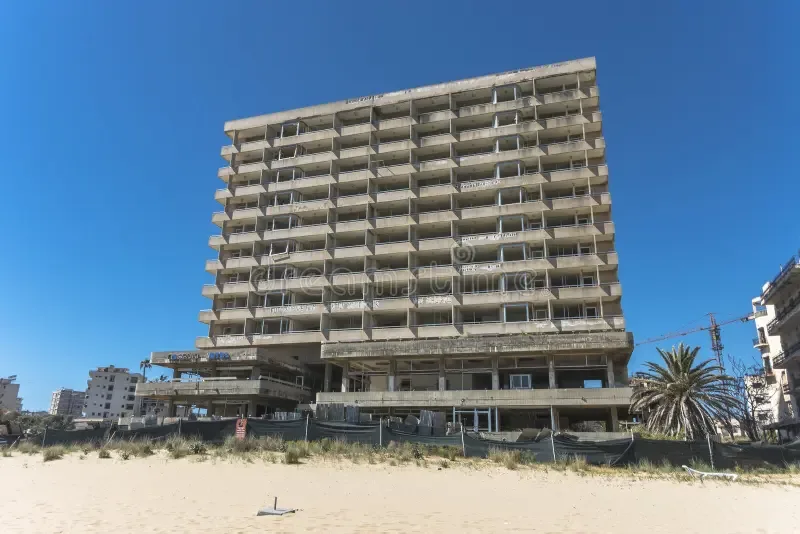
Nicosia, Cyprus. The Church on Friday denied online reports claiming the historic Aspelia Hotel in Famagusta has been sold, saying no such action has been considered. A representative of the archbishopric described the reports as unfounded.
Archbishopric response
In statements to local media, the representative dismissed the claims, saying there was no basis to them. The representative said the archbishopric would not proceed with “the sale or commercial exploitation of property belonging to the Church in the occupied areas of Cyprus”.
The representative described the social media reports as “figments of imagination” and said no discussion had taken place regarding the financial development or use of Church-owned property in the north.
Online discussion
The reports prompted widespread discussion online, linked to the symbolic and political significance of the property, which is located inside the closed area of Varosha.
Background on the Aspelia Hotel
The Aspelia Hotel was among the best-known hotels in Famagusta before the Turkish Invasion of 1974, during a period when the city was regarded as a leading tourist destination in the Levant.
Built in 1972 on Glossa beach, the four-star hotel had 160 rooms and was part of a broader tourism expansion that helped make Famagusta a prominent international resort destination. At the time, the city accounted for nearly half of Cyprus’ total hotel capacity.
Following the invasion, the hotel was abandoned along with the rest of Varosha and has remained sealed and in a state of dilapidation.
Historical links
The hotel’s construction has been linked to investment activity by the Church during former President Makarios’ rule, when the Church maintained a monopolistic presence in the business sector.
What impact do you think renewed attention on properties in Varosha could have on public debate in Cyprus?