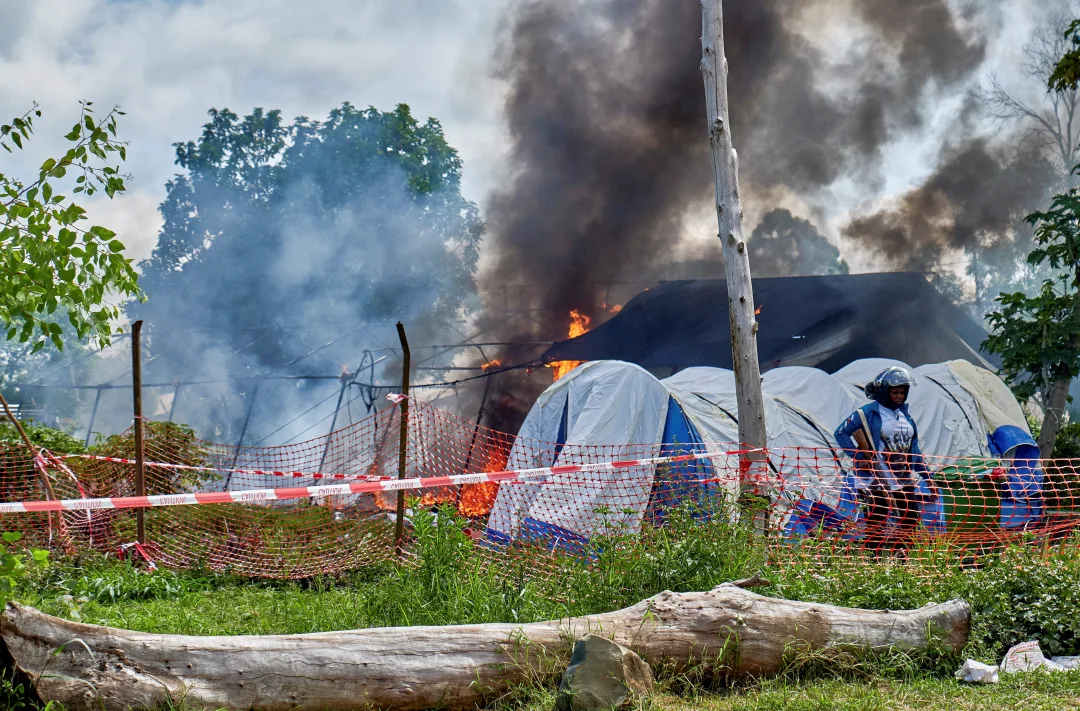
Rwampara, Democratic Republic of the Congo. Police fired warning shots and tear gas during a dispute over the burial of a suspected Ebola victim, after protesters burned tents for Ebola patients, Reuters witnesses said.
Dispute over safe burial
The incident in Rwampara highlighted difficulties authorities may face enforcing safe burials for confirmed and suspected Ebola cases, which are required to help contain the outbreak.
The town has been hit hard by the latest Ebola outbreak caused by the Bundibugyo strain of Ebola, for which there is no approved vaccine or treatment.
Risk from unsafe burials
Bodies of Ebola victims are highly infectious after death, and unsafe burials, in which family members handle the body without proper protective equipment, are a leading driver of transmission.
The first known case in the current outbreak died in Bunia, Ituri’s provincial capital, on April 24. The virus spread after his body was returned to the nearby town of Mongbwalu and mourners gathered around him and touched him during a funeral.
Hospital protest and family claims
On Thursday morning, the family of footballer Eli Munongo Wangu refused a safe burial, disputed that Ebola had killed him, and demanded to take his body, Reuters witnesses said.
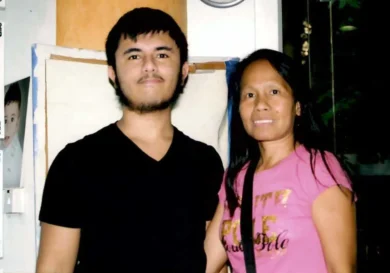
Munongo, who played for several local teams and was well known in his neighbourhood, had been admitted to hospital days earlier. A doctor told Reuters he was a suspected Ebola case and the hospital had taken samples for tests.
His mother told Reuters she believed he had died of typhoid fever, not Ebola.
Family, friends and neighbours gathered outside the hospital to take his body and bury him themselves, against instructions that all bodies must be buried safely, said Jean-Claude Mukendi, a senior police officer coordinating security for the response in Ituri.
What steps should authorities take to ensure safe burials while addressing families’ concerns?