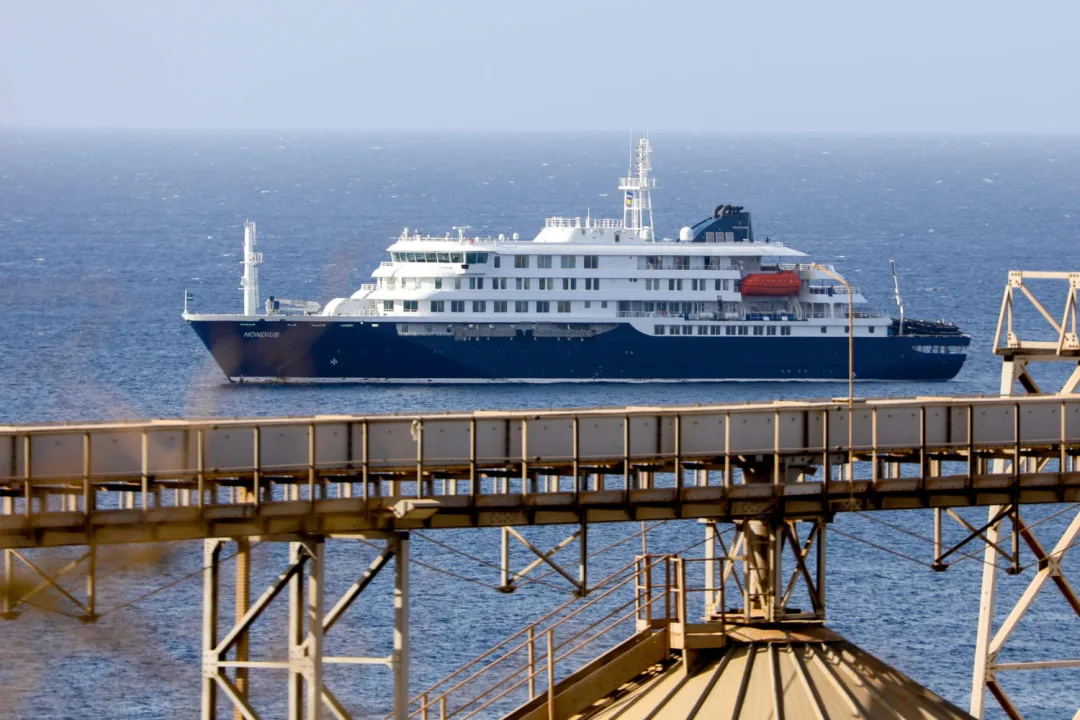
Washington, United States. Cruise ships, often marketed as floating holidays, also illustrate how quickly illness can spread when large numbers of people share interconnected indoor spaces. Outbreaks on board have highlighted the role of ship design, dining practices, ventilation and water systems in disease transmission.
Cruise ships as temporary cities
A cruise ship functions like a temporary city at sea, with restaurants, theatres, lifts, cabins, kitchens, water systems and indoor gathering spaces. While these features offer convenience, they can also allow an infection to move through shared spaces for days at a time once it is introduced on board.
COVID-19 on Diamond Princess
The Diamond Princess outbreak during the 2020 COVID outbreak is among the best-known examples. A total of 619 passengers and crew tested positive, and researchers found that ship conditions made the novel coronavirus spread more easily. Modelling suggested that measures such as isolation and quarantine prevented additional cases, while indicating that an earlier response would have further limited the outbreak.
Norovirus and shipboard transmission
Norovirus is the infection most closely linked to cruise ships. In a review of previously published studies, researchers found 127 reports of norovirus outbreaks on cruise ships, with many linked to contaminated food, contaminated surfaces and person-to-person spread. A more recent report from the US also showed that norovirus can spread very rapidly from person to person on a cruise ship.
Ships frequently cited in outbreak reports
Ships including Celebrity Mercury, Explorer of the Seas and Carnival Triumph have appeared in outbreak reports. These settings were not described as unusual, but were environments where shared dining, close contact and frequent movement through common areas allowed infection to spread quickly.
Food service and shared surfaces
Food service can contribute to risk, particularly with buffet-style dining, shared utensils and many people touching the same surfaces. People who are infected but not yet feeling sick may still contaminate food or surfaces before realising they are unwell.
Design factors and crew living conditions
Cruise ship layouts bring people together in dining rooms, bars, lifts, corridors, theatres and spa areas. Crew members also live and work in the same environment, often in shared accommodation, which can enable illness to move between passengers and crew.
Ventilation and indoor crowding
Although cruise ships are not closed boxes, they rely heavily on indoor spaces where people spend long periods together. Studies into cruise ship air quality have shown that illness can spread more easily in crowded, enclosed spaces such as cabins, restaurants and entertainment venues if ventilation is inadequate. Adequate fresh air circulation, specialist filters and air-purifying technology are among the factors cited in efforts to keep passengers safe.
Legionnaires’ disease and water systems
Legionnaires’ disease presents a different risk because it is not usually spread directly from person to person. Infection can occur when people breathe in tiny droplets from contaminated water systems, hot tubs or showers. A well-known outbreak among cruise passengers was linked to a whirlpool spa, and recent reports from the US Centers for Disease Control and Prevention have described other cruise-associated legionnaires’ disease outbreaks linked to ship water systems.
What do you think should be prioritised to reduce illness risks on cruise ships?