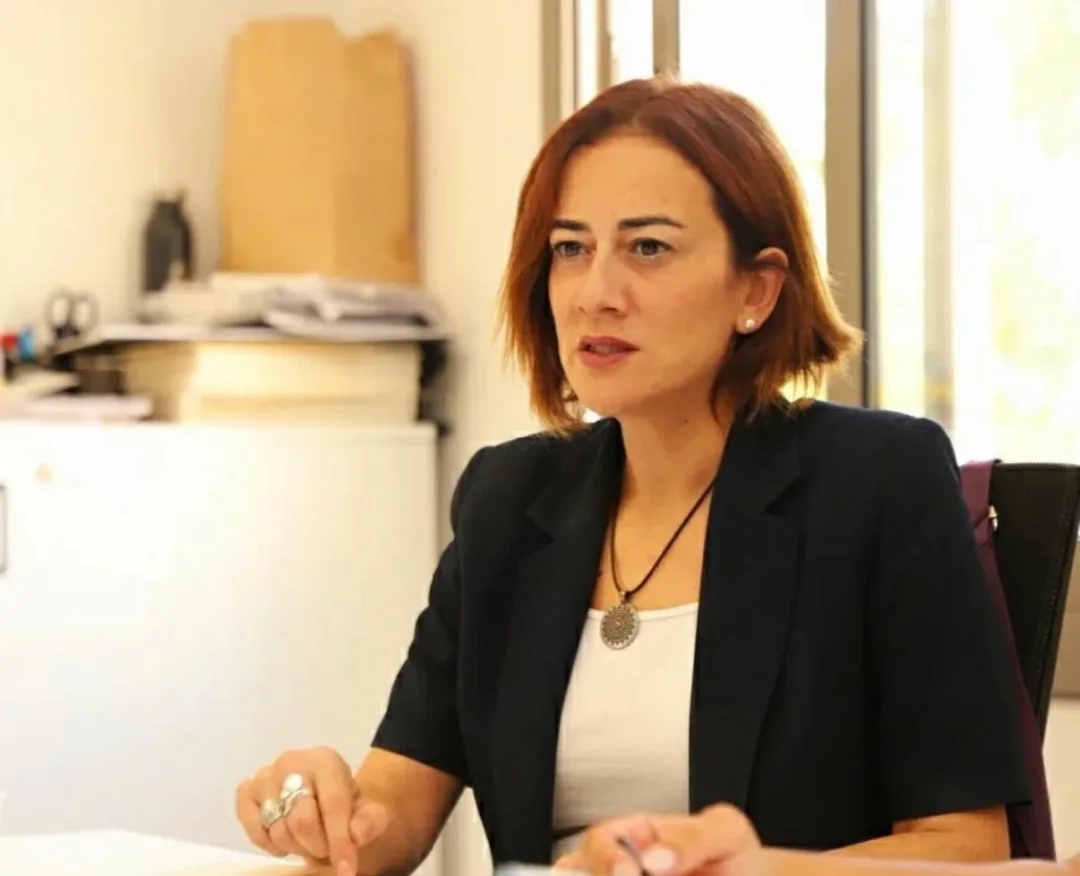
Nicosia, Cyprus. Turkish Cypriot opposition party CTP representative Dogus Derya highlighted the danger of “incels” and the radicalisation of young men online in a speech on the future of the internet. She urged Turkish Cypriot authorities to do more to support young people.
Definition and online organising
Derya said the term “Incel” is a portmanteau of “involuntary celibate” and commonly refers to men, usually young men online, who have been radicalised against women. She said that although such individuals come from different countries, they share common points of reference and can come together on gaming platforms.
Claims about ideology and misogyny
Derya said they can organise as an angry group because they feel rejected by women and view feminism and women’s rights as undermining the idea of the man as the “pillar of the house.” She described the incel movement as an extreme wave that claims women should be confined to farms and used as breeding stock, and that women should be killed if they do not obey and fulfil traditional female roles.
References to murders in Turkey
Derya said a number of murders committed in Turkey are being linked to incels. She cited investigations into the 2024 deaths of teenagers Aysenur Halil and Ikbal Uzuner in Istanbul, which found that their murderer, Semih Celik, had been part of online incel groups.
Calls for youth support and policy changes
Derya said that when the welfare state withdraws support from children and young people, a process of institutionalising hatred takes place. She added that addressing these issues is difficult where the right to accessible education cannot be established.
Criticism of security-only responses
Warning against relying on stronger security measures to prevent attacks, she said schools cannot be made safe by deploying municipal police or regular police, or by building bigger walls. She called for police and families to be informed and for a new approach that introduces social service professionals into the education sector.
What measures do you think should be prioritised to counter online radicalisation among young people?