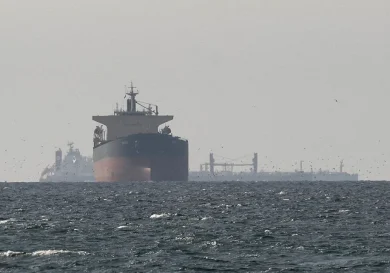
Nicosia, Cyprus. Cyprus remained one of the European Union’s most oil-dependent countries in 2024, with 86 per cent of the energy available on the island coming from crude oil and petroleum products, according to Eurostat.
Cyprus energy mix and import dependence
Eurostat’s 2026 edition of Energy in Europe reported that 96 per cent of Cyprus’ energy imports were petroleum products, the highest rate in the EU. The country’s overall energy import dependency ratio stood at 88 per cent.
Renewables dominate domestic production
The report said renewable sources accounted for almost all domestic energy production in Cyprus, placing the island among the bloc’s highest performers alongside Malta (100 per cent), Latvia (99 per cent) and Portugal (98 per cent).
EU-wide production, imports and energy mix
Across the EU, 43 per cent of available energy in 2024 came from domestic production and 57 per cent from imports. Crude oil and petroleum products accounted for 38 per cent of the bloc’s energy mix, followed by natural gas at 21 per cent, renewables at 20 per cent, nuclear at 12 per cent and solid fuels at 10 per cent.
Eurostat said renewables were the main source of energy production in the EU, accounting for 48 per cent of total output. Nuclear followed with 28 per cent, ahead of solid fuels at 15 per cent, natural gas at 5 per cent and crude oil at 3 per cent.
Differences across member states
Production patterns varied across the bloc, with nuclear dominating in France, Slovakia and Belgium, and solid fuels leading in Poland, Estonia and the Czech Republic. Natural gas accounted for the largest share in Romania and the Netherlands, while crude oil was most prominent in Denmark, Croatia, Romania and Italy.
EU imports led by oil and petroleum products
In imports, oil and petroleum products remained the largest category in 2024, accounting for 67 per cent of the EU total, followed by natural gas at 24 per cent.
How could Cyprus reduce its reliance on petroleum products while maintaining energy security?