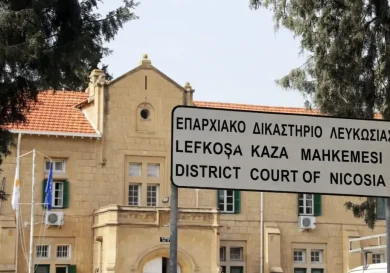
Nicosia, Cyprus. While much of the Western world views Friday the 13th with unease, Cyprus and Greece traditionally regard Tuesday the 13th as the more ominous date.
Friday the 13th in Western traditions
Across Britain, the United States, and much of Northern Europe, Friday the 13th is commonly associated with misfortune. Hotels may skip the number, airlines often avoid the row, and even people who do not consider themselves superstitious may hesitate before making major decisions.
The origins are often linked to Christian tradition, including the Crucifixion occurring on a Friday and the presence of 13 guests at the Last Supper, one of whom betrayed Christ. Over time, the combination became embedded in culture and reinforced through literature, media, and habitual references.
Why Tuesday the 13th is feared in Cyprus and Greece
In Cyprus and Greece, Tuesday the 13th is widely seen as the more troubling date. One explanation links the association to a major event in Byzantine history: Constantinople was sacked on Tuesday, April 13, 1204, during the Fourth Crusade.
The event is described as a profound rupture and loss for Eastern Christianity, contributing to the idea of Tuesday as a day when stability can suddenly collapse.
Other superstitions on the island
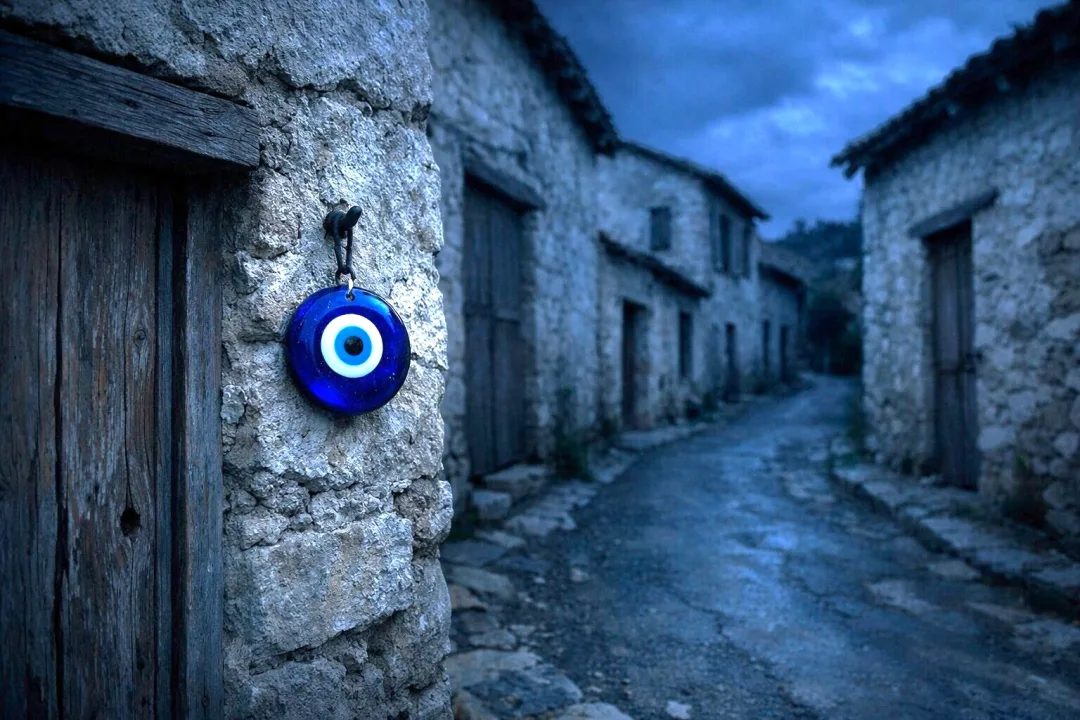
The article also notes that Cyprus has other common superstitions, including the widespread use of evil eye items. The belief is that το μάτι protects against the consequences of praise or envy.
It adds that many younger people do not consciously believe in such traditions, though references to them remain part of cultural habit.
Do you avoid making major plans on Tuesday the 13th?