Nicosia, Cyprus. A strategic cooperation agreement linking the Cypriot and Greek space technology ecosystems was signed on Thursday in Nicosia, aiming to strengthen collaboration in space research, innovation and industry.
Parties and scope of the agreement
A memorandum of understanding was concluded between the Eratosthenes centre and the Greek space technology association (Evidite), as well as the scientific and technical chamber (Etek).
The agreement, valid until December 31, 2030, establishes a framework for cooperation in space technology, observation, and defence and security applications.
Joint programmes and commercial development
The agreement provides for joint participation in European, national and international research and development programmes, the development of new products and services, and coordinated networking and international promotion.
According to the centre, the collaboration also foresees the creation of joint ventures to support participation in programmes of the European space agency.
Comments from officials and centre leadership
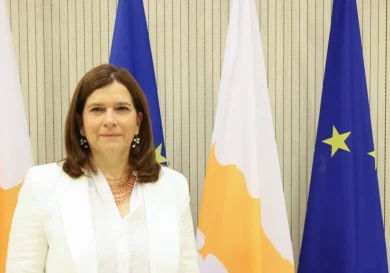
Speaking at the event, deputy minister to the president, Irene Piki, described the Eratosthenes centre as “a model of successful strategic investment in research, innovation and entrepreneurship”.
She said the centre had “rapidly evolved into a leading hub in the Eastern Mediterranean, combining advanced infrastructure with scientific excellence”.
Piki pointed to facilities such as the ‘earth observation satellite antenna and the atmospheric remote sensing observatory’, saying they “provide critical data and services for scientific research and public policy”, while also contributing to job creation and entrepreneurship.
Eratosthenes CEO, Professor Diophantos Hadjimitsis, described the signing as “an important moment in the centre’s trajectory”.
Focus areas for collaboration
The agreement places particular emphasis on knowledge exchange through Greece’s national microsatellite programme and on the joint development of satellite technologies for remote sensing, communications and navigation.
What impact do you expect this cooperation to have on space research and industry in Cyprus and Greece?