Cyprus architecture shifts toward neutral, minimalist design
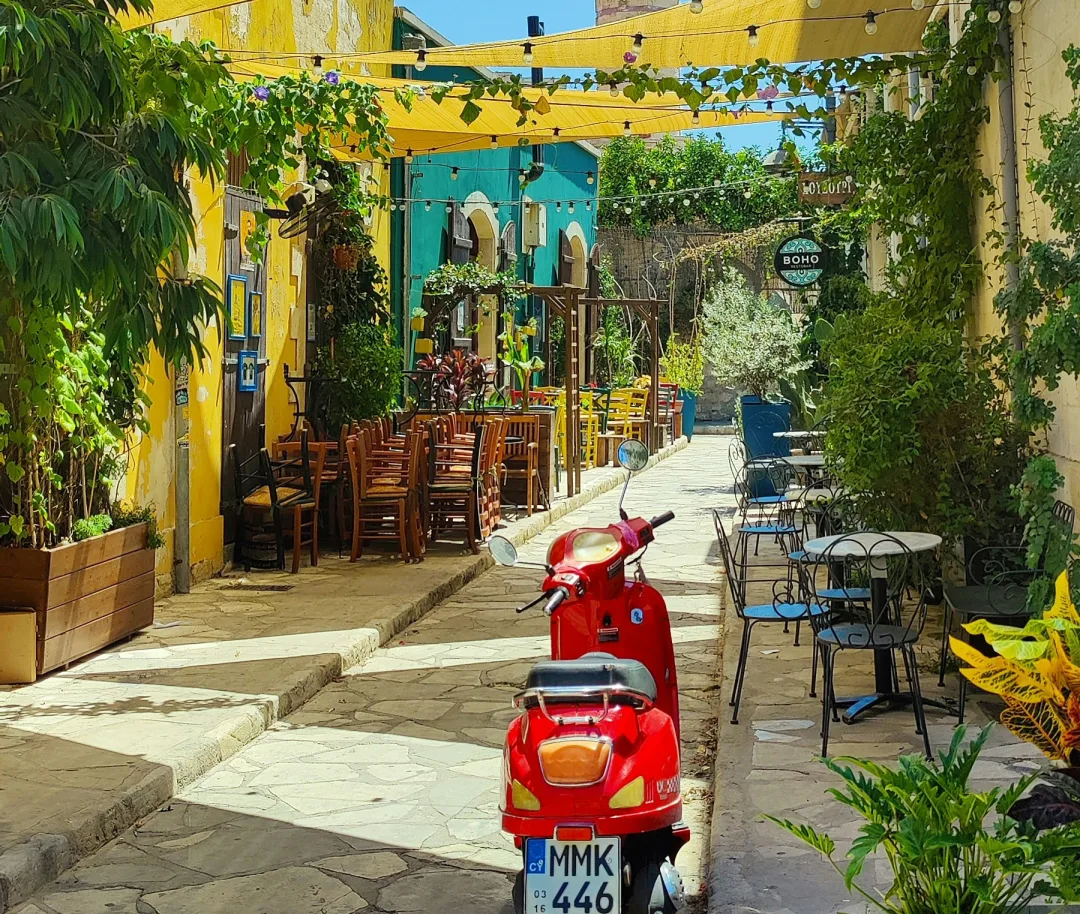
Nicosia, Cyprus. Recently constructed buildings in Cyprus are increasingly characterised by neutral colour palettes, minimalist lines and plain apartment designs, replacing many of the colourful details once common in homes across the island.
Changing architectural character
In the past, balconies filled with plants, brightly painted shutters, tiled courtyards and personalised home decorations contributed to Cyprus’s distinctive visual character. More recent construction has adopted a more reserved architectural style.
The change reflects a wider trend beyond Cyprus. Researchers at the Science Museum Group in the United Kingdom examined thousands of everyday objects and identified an increasing prevalence of grey, black and white, describing the development as the “greying” of modern life. They found that achromatic colour schemes have increased steadily over time.
Urbanisation and global influences
Architect Christiana Karagiorgi said Cyprus’s architectural changes can be connected to broader social and economic developments.
“Cyprus has undergone a remarkably rapid process of development in recent decades,” she said.
Karagiorgi said the island’s transformation from a predominantly rural society to a more urbanised one has affected architectural styles, which have increasingly followed international development trends and patterns.
“The architectural language has become increasingly international, reflecting global patterns of development rather than local characteristics,” she said. “As a result, architectural expression has become detached from local references.”
Commercialised minimalism
Karagiorgi said part of the shift is linked to the growing commercialisation of minimalist design in Cyprus and internationally.
She said architecture is increasingly shaped by market mechanisms that favour styles seen as easier to sell. Neutral palettes and straight lines have contributed to what she described as “commercialised minimalism,” which is readily accepted by consumers.
“The norm, the commonly accepted, corresponds to a safe investment in architecture for the masses,” she said. “Anything more experimental or innovative in terms of aesthetics and architectural language is considered a financial risk”.
Architects Christiana Ioannou and Christos Papastergiou of Draftworks Architects similarly said contemporary design is strongly influenced by prevailing trends and beliefs about how modern homes should appear.
This news item was generated automatically by Cyprus Inform from publicly available materials. Report an error →


