Cyprus climate summit highlights risks as new parliament lacks environmental representation
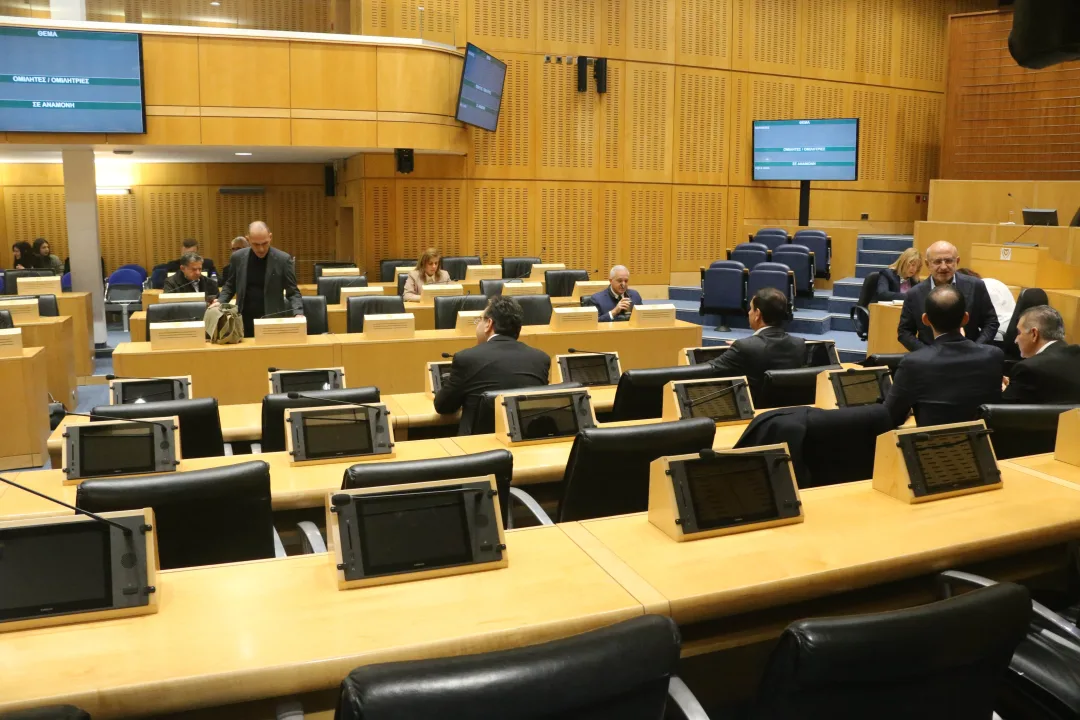
Nicosia, Cyprus. Cyprus hosted a two-day international climate summit in April under its EU Council presidency, bringing together scientists, policymakers and government representatives from 18 countries. Days later, the country elected a new parliament with no environmental representation for the first time since joining the EU.
Summit framework adopted
Participants at the summit in Nicosia signed the Nicosia Call for Action 2026, a framework for regional climate cooperation in a region described as among the most climate-vulnerable in the world.
Climate adviser warns on outlook
Costas Papanicolas, the island’s presidential adviser on climate, said climate science must be linked directly to policy and implementation. Four days after the May 24 election, he presented the summit’s conclusions and said, “Things do not look very optimistic,” adding that this was “clearly due to us” and referring to “the inhabitants of this strange planet.”
Scientists report warming trends
Scientists at the event said every year since 2015 in Cyprus has been warmer than normal. They also reported that two-thirds of days in 2025 were hotter than average and that a possible El Niño is forming, a weather pattern linked to serious water shortages in Cyprus in 2007.
Parliamentary change removes Green presence
The election resulted in the traditional Green movement falling below the legislative threshold, leaving parliament without an environmental voice. According to the article, this is the first time since Cyprus joined the EU that the Green movement will not be represented in the legislature.
Party platforms and committee ambitions
The article says every party that won seats treats the environment as a secondary concern at best. It also states that two of the six parties in the new House have no environmental position in their platforms. Elam, identified in the article as a far-right party, doubled its seats to become the third largest force in parliament and has said it wants to chair the environment committee.
Voter concerns centered on living costs
The article says voter choices reflected economic pressures facing households. It cites rising electricity bills, high rents and increasing food costs as factors affecting families and says people voted with their wallets amid these hardships.
This news item was generated automatically by Cyprus Inform from publicly available materials. Report an error →