Nicosia, Cyprus. The escalating conflict involving the United States, Israel, and Iran is increasingly viewed as a prolonged confrontation with wider implications for the global order. Observers warn a war extending through 2026 or longer could affect the global economy and regional geopolitical balance.
Prolonged conflict and potential escalation
The conflict is described as likely to be more drawn out than initially anticipated, with implications beyond a regional dispute. Western leadership is presented as committed to “regime change” in Iran and Russia, while Russia, China, and Iran are described as forming an integrated bloc positioned to sustain a war of attrition.
The situation is characterised as having evolved from the 2014 Ukrainian upheaval into a proxy dynamic in which the US and Europe supply Ukraine, while Russia and China back Iran. With the expiration of recent diplomatic deadlines, a significant escalation is described as possible, including a ground invasion.
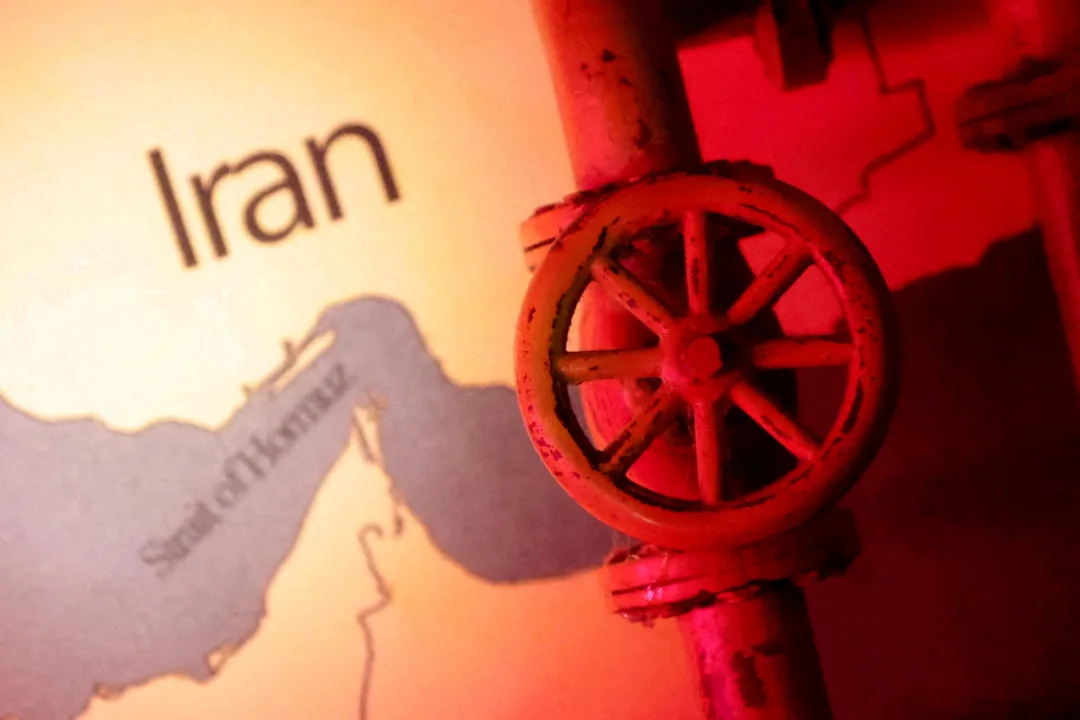
Should the Iranian government be targeted, power is expected to decentralise to local commanders. The Strait of Hormuz is described as likely to remain closed even if central authority collapses, due to the absence of a unified entity able to reopen it.
Economic effects: oil supply, inflation, and market fragmentation
The conflict is framed as a catalyst for stagflation, with the de facto closure of the Strait of Hormuz described as removing nearly 20 per cent of daily global oil supply and pushing Brent crude toward the $115–$140 range.
The energy shock is described as compounded by disruption in fertiliser markets, with the Gulf cited as a primary exporter of urea and ammonia and global agricultural yields for the 2026–27 season projected to fall sharply.
OECD inflation projections of 4.2 per cent for the US in 2026 are described as likely conservative, as monetary expansion is expected to be used to absorb shocks. The concept of a uniform global oil price is described as becoming obsolete, replaced by regional fragmentation, with North America described as more self-sufficient in food and energy than Europe, which is described as heavily exposed as a net importer.
Surging government bond yields in the US and EU are attributed to a rising “war risk” premium, with central banks described as constrained in lowering rates without risking currency instability.
Cyprus: dependence, security exposure, and capital inflows
Cyprus is described as increasingly vulnerable due to heavy dependence on imported food and energy, alongside a shift from a “buffer zone” to a “front-line state,” moving from passive to active deterrence.
At the same time, Cyprus is described as attracting capital as high-net-worth individuals relocate from Dubai, Beirut, and Tel Aviv to an EU legal framework. This is described as strengthening Limassol and Nicosia as tech and finance hubs.
How do you expect prolonged regional conflict and higher energy prices to affect Cyprus’s economy and security in the coming year?