Nicosia, Cyprus. Wild mushroom foraging in Cyprus has been described as inconsistent this year, as signs of drought in forest areas and concerns about destructive harvesting methods draw attention to broader environmental pressures.
Forest conditions observed in multiple areas
Visits to usual picking locations around Vavatsinia, Lythrodontas and Troodos were described as raising alarm about forest health, amid what was characterized as increasing heating and drying conditions on the island.
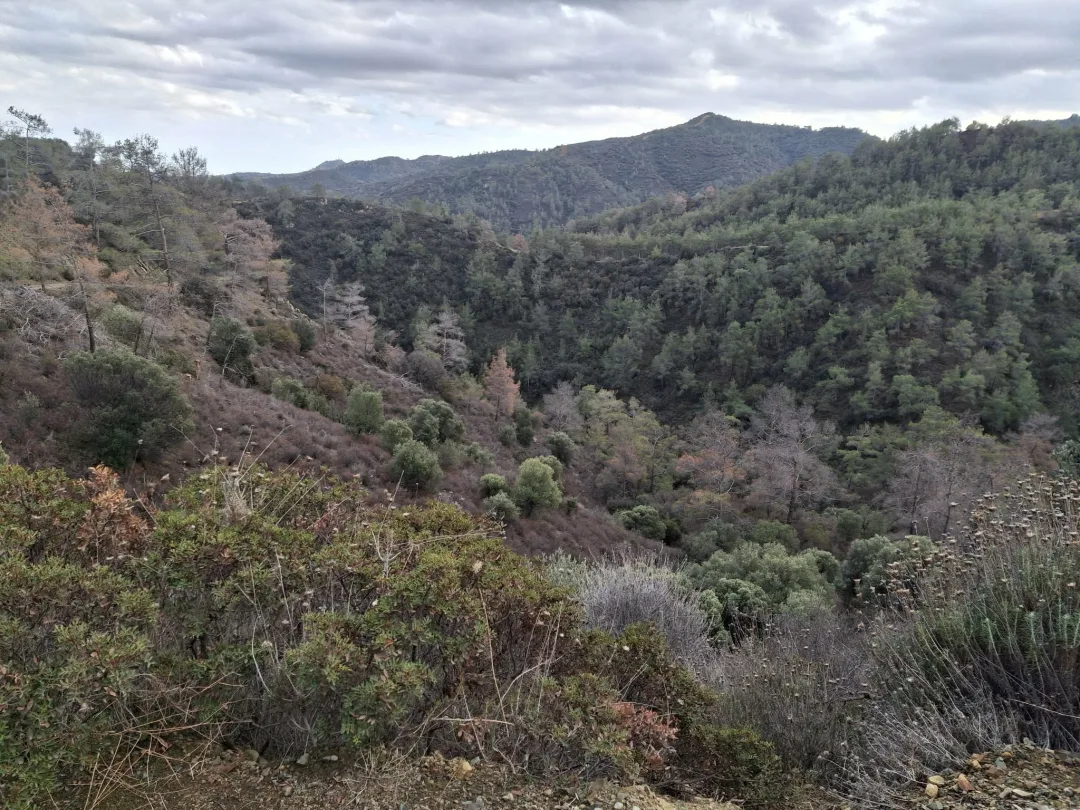
A drive along a forest road route from Vavatsinia to Kyprovasa and past Lefkara dam was described as revealing extensive tree felling and dead trees, including mature Calabrian pines (Pinus brutia), which were attributed to drought.
Drought impacts and low reservoir levels
Tree death was reported on south-facing slopes, where soils dry out and the water table can drop below the reach of tree roots. The water level at Lefkara dam was also described as notably low.
Cyprus Institute projections and rainfall trends
According to the Cyprus Institute, model results for Cyprus for the period from 2020 to 2050 indicate an increase in extremely hot summer days with maximum temperatures exceeding 38°C for an additional two weeks per year compared to current conditions.
The Cyprus Institute also said that by the end of the century the number of hot days per year in Nicosia will increase by two months, resembling conditions currently experienced in cities like Cairo or Bahrain. It added that, given the decrease in rainfall observed over the last three decades, climate change in Cyprus will result in additional rainfall reductions of 10-15 per cent over the 2020 to 2050 period.
Concerns over destructive mushroom foraging
Climate change was described as not being the only issue affecting forest mushrooms. Some foragers were criticized for using rakes to turn over leaf litter, pine needles and decomposing twigs, disrupting insect life cycles and leading to exposure-related deaths.
It was also stated that fungi can be ripped from the soil and discarded before distributing spores. The use of tools such as rakes is expressly prohibited by the Forest Law, and conviction can result in prison sentences of up to one year or fines of up to €5,000, or both. Despite these penalties, the practice was described as continuing year after year.
Poor harvest linked to timing and temperature
This year’s wild mushroom harvest was described as poor because rains arrived too late, and by the time the ground was sufficiently wet, temperatures were already becoming too cold. Wild fungi were said to need 10 to 13°C for growth, and cold, wet conditions can leave them water-filled and moldy.
Common species and safety cautions
Cypriots were said to favor the ‘milk cap’ Lactarius deliciosus, known locally as the red pine mushroom, described as a well-known member of the milk-cap genus Lactarius in the order Russulales.
Several Russula varieties were also mentioned, alongside a warning that novices should not try them without an expert, noting that one pink-capped variety is called ‘the sickener’ and can cause a bad stomach reaction.
Use and sourcing of ‘Slippery Jack’
The ‘Slippery Jack’ (Suillus luteus) was described as a yellow-sponged, brown-capped boletus type, typically sliced and dried for use in soups, stews and risotto.
It was also noted that this Mediterranean species is commonly used as Italian ‘porcini’ mushroom, and that in Europe it arrives by plane from pine forests in Chile in South America.
What steps do you think should be prioritized to protect Cyprus forests while allowing sustainable wild mushroom foraging?